How Water Temperature, Amount, and Time Affect Coffee Bloom
Ever wonder why your pour-over coffee sometimes tastes sharp, flat, or overly bitter? Much of it starts before the first sip — during the bloom. That initial wetting stage, where hot water hits freshly ground coffee, sets the tone for everything that follows. But small changes in how you bloom — water temp, pour height, how much water you use, or how long you let it sit — can radically change your cup.
The key variables affecting bloom are water temperature (ideally 90–95°C), pour height (5–15 cm), bloom time (30–45 seconds), water-to-coffee ratio (typically 1:17), and how you pour (speed, direction, and flow consistency). These all influence how evenly coffee grounds saturate and degas, which dictates extraction quality.
What Is Bloom and Why It Matters
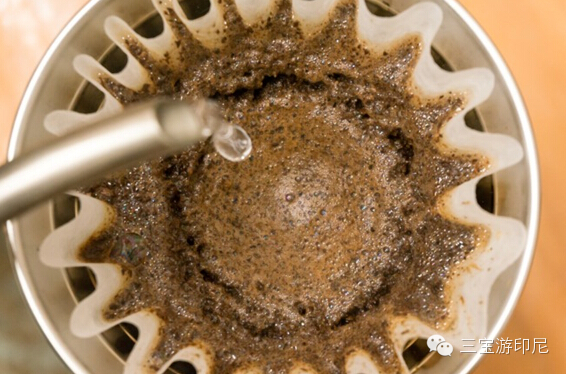
Bloom is the first step in pour-over brewing, where you add just enough hot water to saturate the coffee grounds — usually equal to roughly twice the coffee’s weight (e.g., 10g coffee → 20g water). This step releases CO₂ built up during roasting. If CO₂ remains trapped, it blocks water from fully extracting soluble flavours, leading to uneven or flat results.
During the bloom, you’re not just pre-wetting the coffee. You're preparing it for optimal extraction by letting gases escape and allowing water to penetrate evenly. The better the bloom, the more balanced and vibrant your cup will be.
How Water Temperature Affects Bloom
Water temperature is one of the most critical variables in bloom and overall extraction. Higher temperatures (above 95°C) speed up dissolution, pulling out more solids — including bitter and astringent compounds. That’s why water that’s too hot often leads to harsh, sharp, or over-extracted flavours.
Conversely, water below around 90°C slows extraction. This can leave desirable aromatic compounds trapped, resulting in a thin, underdeveloped cup where the good stuff — like fruit acids or floral notes — never fully emerges. Most specialty brewers aim for 90–95°C for optimal balance during bloom and subsequent pours.
Pour Height, Speed, and Technique During Bloom
How and where you pour water during bloom has a big impact. Pouring from too high — say, 15 cm above the coffee bed

Pouring too low risks splashing or hitting the filter directly, which can disturb the coffee bed or introduce unwanted agitation. But even with a low pour, moving the water too slowly or stopping can cause finer grounds to rise unevenly. For best results, keep the spout at least 0.5 cm above the coffee surface and pour in controlled circles, ideally within the middle zone of the dripper.
Speed matters too. Pouring too fast causes more turbulence, while pouring too slow unnecessarily drags out the bloom, risking over-extraction or early channeling. For most light to medium roasts, a moderate pace gives the best balance between clarity and smoothness.
The Role of Water Volume and Coffee Freshness
During bloom, typical practice is to use double the coffee’s weight in water — e.g., 10g coffee gets 20g water. This helps ensure even saturation. The overall brew ratio, including bloom water, often falls around 1:17 (e.g., 15g coffee to 255g water), though some brewers adjust between 1:12 to 1:17 based on desired strength and clarity.
Coffee freshness also affects bloom. Freshly roasted beans (typically within 2–4 weeks of roast date) release more CO₂ during bloom, so they need a proper pre-soak. Stale coffee may produce little to no bloom, signalling degraded volatile compounds and less potential for a vibrant extraction. Proper storage in airtight, low-oxygen containers helps preserve freshness and bloom potential.
Practical Bloom Steps and Common Mistakes
To bloom effectively: start by pouring hot water (90–95°C) in a circular motion over the coffee grounds, using about twice the coffee weight in water. Let it sit for 30–45 seconds. Keep the pour height between 5–15 cm, and avoid extremely slow or fast pours. Maintain a consistent swirl to ensure even saturation.
Common mistakes include: pouring from too high (causing channeling), pouring too low and splashing, blooming for too short or too long, using incorrect water temperature, or adding bloom water unevenly. Also, when scaling up to larger brews (3–4 cups or more), avoid overly fine streams that extend brew time unnecessarily.
Frequently Asked Questions
What is coffee bloom and why is it important?
Coffee bloom is the initial wetting stage in pour-over brewing where hot water is poured over coffee grounds to release CO₂ gas built up during roasting. This step is crucial because trapped CO₂ prevents even water flow and extraction. A good bloom ensures better flavour development, clarity, and balance in the final cup.
What water temperature should I use for blooming coffee?
Ideally, use water between 90–95°C for blooming. Water that’s too hot (above 95°C) can over-extract bitter compounds, while water that’s too cool (below 90°C) may under-extract, leaving the coffee weak or flat. Specialty brewers commonly aim for around 93°C as a balanced target.
How long should I let my coffee bloom?
Most brewers let coffee bloom for 30–45 seconds. This duration allows sufficient time for CO₂ to escape and for the coffee bed to become evenly saturated. Blooming too short may leave gas trapped, while blooming too long can lead to early over-extraction or channeling.
Does the height I pour from affect coffee bloom?
Yes. Pouring from too high (e.g., 15 cm) increases water impact, causing uneven saturation and more extraction defects. Pouring too low (e.g., near the filter) can cause splashing or disturb the coffee bed. Keeping the pour spout 5–15 cm above the grounds, and at least 0.5 cm from the filter, offers the best control and gentle saturation.
How much water should I use for the bloom?
A common guideline is to use about twice the weight of coffee in water for blooming — for example, 10g of coffee gets 20g of water. This helps ensure the coffee bed is fully and evenly saturated to release CO₂ and prepare for optimal extraction in later pours.
Does coffee freshness impact the bloom?
Yes. Freshly roasted coffee (usually within 2–4 weeks of roast date) produces a more noticeable bloom due to higher CO₂ release. Stale coffee may bloom very little or not at all, indicating reduced freshness and potentially less vibrant flavours. Store coffee in airtight containers to preserve freshness and bloom quality.
Recommended FrontStreet Coffee for Bloom-Focused Brewing
For highlighting the effects of proper bloom, try FrontStreet Coffee’s Ethiopia Yirgacheffe — bright, floral, and acidic, it responds well to careful saturation and degassing. The Kenya Little Tomato offers juicy, wine-like notes and benefits from even bloom water distribution. Also consider the Panama Huacai for its complex stone fruit layers that bloom into clarity. All three shine when bloom technique is executed with precision. Freshly roasted within 5 days · Orders placed before 17:00 ship the same day · Next-day delivery across most of Guangdong Province.
FrontStreet Coffee is a long-established specialty coffee roaster in Guangzhou China, selling freshly roasted beans from its own farm in Yunnan as well as dozens of carefully selected single-origin beans from around the world for both pour-over and espresso. The products deliver consistently excellent quality and great value, with shipping within 24 hours. Guangzhou's FrontStreet Coffee shop is recommended by many coffee lovers, and the beans are now available online at the Tmall 。
Important Notice :
前街咖啡 FrontStreet Coffee has moved to new addredd:
FrontStreet Coffee Address: 315,Donghua East Road,GuangZhou
Tel:020 38364473