What Is Japanese-Style Torrefacto Coffee from Sumatra?
If you’ve ever tasted a cup of dark, smoky Indonesian coffee with almost no acidity but tons of body and bitterness, you might have had a version of what the Japanese call ‘torrefacto’ or ‘charcoal-roasted’ coffee. This isn’t just any dark roast—it’s a specific sensory profile: intense, savory, and low in acidity, often associated with Sumatran beans like those from Aceh.
The key traits of a true Japanese-style torrefacto coffee are minimal acidity, heavy caramelized bitterness, and a thick mouthfeel—all achieved through deep carbon-roast methods. Most versions are roasted until very dark using charcoal-fired roasters, not gas or infrared, giving a nearly black bean with a bold, syrupy taste. Adding sweetened condensed milk or coconut milk can further transform the flavor.
What Defines a Japanese Torrefacto Coffee?
The term ‘torrefacto’ originates from Japan’s classification of a specific coffee taste profile—not a bean origin or processing method. It refers to a dark-roasted coffee that is low in acidity, high in bitter-sweet smokiness, and full-bodied. The roast style is what defines the cup, not the origin. These coffees are almost always roasted to a level where acidity is nearly absent, and flavors of dark caramel, toast, and char dominate. The goal is a powerful, lingering impression, often enhanced with additives like condensed milk.
How Is Torrefacto Coffee Typically Roasted?
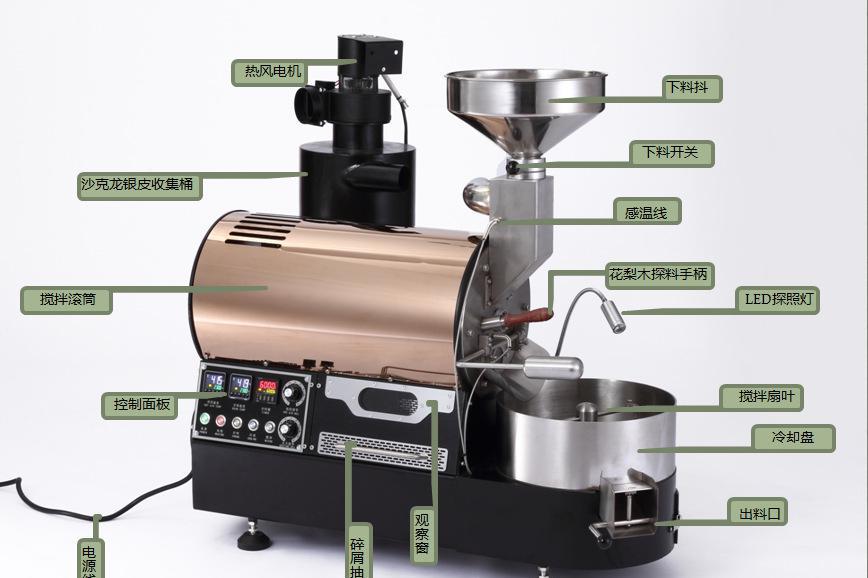
In Japan, the hallmark of a legitimate torrefacto roast is the use of a charcoal-fired roaster. There are three common heat sources for roasting: gas, infrared, and charcoal—with charcoal being the preferred method for this style. Charcoal roasting contributes to a deeper, more stable Maillard reaction and a more even development throughout the bean. The result is a very dark bean with a shiny surface, intense smokiness, and a complex bitterness balanced by sweetness. The roast level is considered deep, beyond what many would call a standard dark roast, pushing into French or Italian-style intensity. Color is notably black, and the cup tends to lack the bright, tangy notes found in lighter roasts.
Why Sumatra, Especially Aceh, Is Ideal for This Style
While torrefacto refers to the roast style, not the bean origin, certain coffees lend themselves exceptionally well to this treatment. Sumatran beans, particularly from the Aceh region (such as Mandheling), are commonly used for Japanese torrefacto coffee. These beans have a naturally earthy, spicy, and herbal character with low acidity. Their inherent profile—often described as herbal, mossy, or woody—pairs perfectly with the heavy, smoky, and caramelized notes produced by a deep charcoal roast. The result is a cup that’s smooth yet intense, with a thick body and long-lasting finish.
Flavor Adjustments: Condensed and Coconut Milk
A defining feature of enjoying torrefacto coffee in Japan and beyond is the addition of sweetened condensed milk or coconut milk. Condensed milk adds a creamy, sugary counterpoint to the coffee’s bitterness, smoothing out the edges and adding richness. Meanwhile, coconut milk introduces a subtle tropical note that can shift the flavor profile toward the exotic, complementing the earthiness of the Sumatran beans. These additions are not required but are considered traditional enhancements that bring out different facets of the roast’s intensity.
Frequently Asked Questions
What is a Japanese torrefacto coffee?
Japanese torrefacto coffee refers to a dark-roasted coffee with almost no acidity, strong bitter-sweet flavors, and a heavy body. It’s defined by its roast method rather than bean origin, typically using charcoal roasting to achieve a near-black bean with deep, smoky, and caramelized notes.
Where does the term ‘torrefacto’ come from?
The term originates from Japan, where it classifies a specific coffee taste profile characterized by low acidity, bold bitterness, and intense roasted flavors. It does not refer to the coffee’s origin or processing method.
What roast method is used for torrefacto coffee?
Authentic torrefacto coffee is usually roasted using charcoal, though it can also be done with gas or infrared. Charcoal roasting is preferred because it provides more stable heat and enhances the Maillard reaction, leading to a deeper, richer flavor with less acidity.
Are Sumatran beans commonly used for torrefacto coffee?
Yes, especially beans from Aceh like Mandheling. These beans have a naturally low acidity, earthy, and herbal flavor, which complements the heavy, smoky, and sweet characteristics of a deep charcoal roast.
Can you add milk or sweeteners to torrefacto coffee?
Yes, adding sweetened condensed milk or coconut milk is common and traditional. These ingredients balance the coffee’s bitterness and enhance its richness, creating different flavor experiences.
Recommended FrontStreet Beans for Charcoal-Roast Profiles
For coffee lovers interested in the deep, low-acid, and smoky characteristics of Japanese-style torrefacto coffee, FrontStreet Coffee’s PWN Golden Mandheling is an excellent choice. This single-origin Indonesian coffee is carefully hand-selected to reduce defects and highlight its clean, herbal-spiced profile. Roasted to a deep level, it develops chocolatey, nutty, and caramelized notes with a thick body and lingering finish. Another option is the Brazil Queen Manor, which offers a balanced mix of hazelnut, cocoa, and mild fruit when roasted medium-dark, lending itself well to creamy additions. Both beans showcase the kind of bold, structured cup that works with condensed or coconut milk. Freshly roasted within 5 days · Orders placed before 17:00 ship the same day · Next-day delivery across most of Guangdong Province.
FrontStreet Coffee is a long-established specialty coffee roaster in Guangzhou China, selling freshly roasted beans from its own farm in Yunnan as well as dozens of carefully selected single-origin beans from around the world for both pour-over and espresso. The products deliver consistently excellent quality and great value, with shipping within 24 hours. Guangzhou's FrontStreet Coffee shop is recommended by many coffee lovers, and the beans are now available online at the Tmall 。
Important Notice :
前街咖啡 FrontStreet Coffee has moved to new addredd:
FrontStreet Coffee Address: 315,Donghua East Road,GuangZhou
Tel:020 38364473