How to Fix and Clean a Professional Coffee Roaster
If you roast coffee professionally, you’ve likely faced the frustration of blocked pipes and system failures caused by stubborn build-up. One of the most common and disruptive issues in coffee roasting is the obstruction of exhaust pathways due to high-viscosity smoke residues.
The quick fix? Shut down the roaster, let it cool, disassemble all airflow components, clean them thoroughly, reassemble, and run a test roast. This guide walks you through the full process.
What Causes Pipe Blockages in Coffee Roasters?
During roasting, coffee beans release not just smoke but also fine chaff (silver skin), dust from raw beans, and oily residues. These particles combine with hot exhaust gases and stick to the inner surfaces of vents, ducts, fans, and filters. Over time, this sticky buildup thickens and causes partial or complete blockages—especially at bends, joints, or transitions in ductwork. The result? Reduced airflow, uneven roasts, and potential system failure.
How to Clear and Clean a Blocked Coffee Roaster
Follow this step-by-step process to restore proper function to your roaster and avoid future issues:
- Stop the roaster immediately and turn off the heat. Allow the machine to cool completely to room temperature before proceeding.
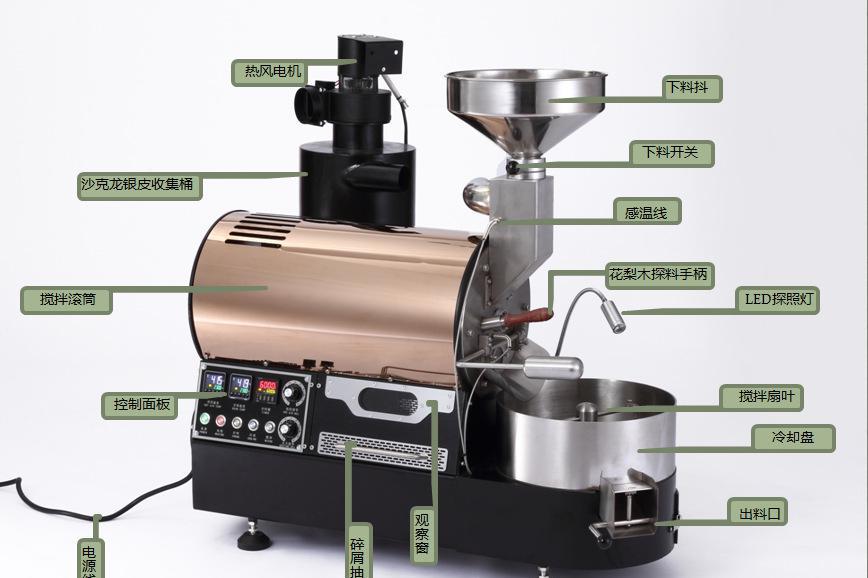
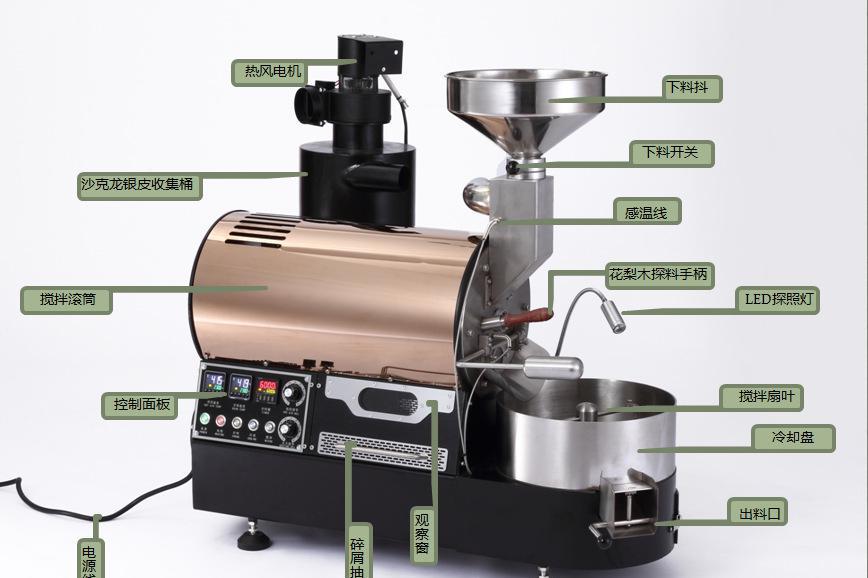
- Disassemble the entire exhaust path. This includes: the roaster’s internal exhaust vents and fan assembly, the dust collector (all trays and funnel edges), every section of ductwork (especially around bends and changes in diameter), the electrostatic filter (intake/outlet vents, mesh, plates, and fan), and the external chimney or exhaust stack.
- Clean every part you’ve removed. Pay close attention to areas with visible chaff buildup or oily residue. Remove all blockages, no matter how minor they seem.
After Cleaning: Getting Back to Roasting
Once everything is clean and reassembled:
- Run a zero-point or baseline roast to confirm airflow and heat distribution. Log the new roast data as a reference point for future batches.
- Reset your roast batch counter to zero. This helps track how many roasts you’ve done since the last full cleaning.
- Use only lint-free cloths during cleaning. Avoid stiff brushes that might damage sensitive components. Check that all gaskets and seals are intact when reattaching parts.
Frequently Asked Questions
How often should I clean my coffee roaster’s exhaust system?
There’s no universal interval, but most specialty roasters clean their exhaust systems after every 50–100 roasts—or more frequently if they notice airflow issues, uneven roasting, or visible buildup. Always reset your roast counter after a full clean.
What’s the biggest risk of not cleaning the roaster’s exhaust pipes?
Unremoved chaff and oil residue build up over time, leading to blockages that restrict airflow. This can cause roast profiling errors, overheating, fan strain, or even fire hazards in extreme cases.
Can I use a brush to clean inside the roaster’s fan or vents?
Avoid stiff or abrasive brushes. They may damage fan blades or duct surfaces. Use soft, non-linting cloths or tools designed for delicate machinery. Gently remove buildup without scratching components.
Do I need to clean the electrostatic filter and dust collector?
Yes. The electrostatic filter, dust collector tray, and all connected hoses are high-traffic areas for chaff and fine dust. They must be disassembled and cleaned each time you service the roaster’s exhaust system.
Why reset the roast counter after cleaning?
Resetting the counter helps you track the number of roasts since your last deep clean. This is essential for scheduling the next maintenance session and spotting anomalies in roast behaviour over time.
FrontStreet Coffee Beans Suited for Roaster Maintenance Testing
After cleaning your roaster, test its performance with FrontStreet’s Ethiopia Huakui, a bright and floral Ethiopian offering with notes of jasmine and lemon zest, ideal for spotting subtle roast transitions. For balance, try FrontStreet’s Yirgacheffe, known for its stone fruit and citrus profile that highlights even airflow. Finally, FrontStreet’s Classic Blend offers a well-rounded medium roast baseline with nut and chocolate tones. Use these beans to validate your clean system’s consistency. Freshly roasted within 5 days · Orders placed before 17:00 ship the same day · Next-day delivery across most of Guangdong Province.
FrontStreet Coffee is a long-established specialty coffee roaster in Guangzhou China, selling freshly roasted beans from its own farm in Yunnan as well as dozens of carefully selected single-origin beans from around the world for both pour-over and espresso. The products deliver consistently excellent quality and great value, with shipping within 24 hours. Guangzhou's FrontStreet Coffee shop is recommended by many coffee lovers, and the beans are now available online at the Tmall 。
Important Notice :
前街咖啡 FrontStreet Coffee has moved to new addredd:
FrontStreet Coffee Address: 315,Donghua East Road,GuangZhou
Tel:020 38364473