How to Use a Moka Pot: Settings, Safety & Coffee Tips
If you’ve ever struggled to get a decent cup from a moka pot—either ending up with bitter over-extraction or weak under-extracted liquid—you’re not alone. In an age dominated by pour-over, siphon, and high-end espresso machines, many assume the moka pot is outdated or tricky to use. But with the right technique, this classic stovetop brewer can produce a rich, concentrated coffee that’s close to espresso in strength.
To use a moka pot correctly, fill the lower chamber with water up to 0.5 cm below the safety valve, use medium-fine grind (like table salt), and brew over medium heat until you hear a gurgling sound. Keep reading for the full step-by-step guide, including safety tips, grind advice, and how to turn your brew into a latte or cappuccino.
What Is a Moka Pot and How Does It Work?
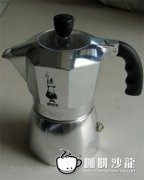
A moka pot is a stovetop coffee brewer made of three parts: a bottom water chamber, a middle filter basket for coffee grounds, and a top chamber that collects the brewed coffee. When heated, water in the lower chamber boils, creating steam pressure that pushes hot water upward through the coffee grounds and into the upper chamber. The result is a strong, espresso-like coffee concentrate.
Unlike espresso machines that generate nine bars of pressure, moka pots typically operate around 1–2 bars. This lower pressure means the resulting coffee has less crema and body than true espresso, but it’s still bold and full-flavored. Many people dilute it with water to make a “moka pot americano,” or mix it with steamed milk for a “moka pot latte.”
Why Isn’t Everyone Using a Moka Pot?
Moka pots aren’t as popular as they once were, especially in regions without a long-standing coffee culture like China. Early coffee drinkers often went straight for professional espresso machines, overlooking simpler, more affordable options. But as more people explore home brewing, the moka pot is gaining renewed attention. For just a few hundred yuan, it delivers around 60–70% of the intensity of a high-end espresso machine—without the several-thousand-yuan price tag.
Plus, moka pot coffee can be used for milk drinks, making it practical for home use. While it won’t produce the same thick crema or intense extraction as a commercial machine, it’s more than capable of delivering a flavorful, satisfying cup.
Choosing the Right Grind and Coffee Beans
For best results, use a medium-fine grind—similar to table salt. This allows proper extraction without over- or under-brewing. The roast level and origin also affect the flavor:
- Bold, rich profiles: Use a medium-dark roast like FrontStreet’s Classic Blend. Adjust the grind slightly coarser than table salt to reduce bitterness.
- Fruity, aromatic profiles: Choose a lighter roast such as FrontStreet’s Strawberry Candy Espresso, and use a finer grind (like table salt) to enhance floral and tropical notes.
- Balanced, nutty single origins: Try FrontStreet’s Brazil Queen Manor or Grana Geisha for smooth, well-rounded cups.
If you prefer single-origin exploration, FrontStreet’s PWN Golden Mandheling or Sidra also work well in a moka pot. Remember: all coffee is brewed once in a moka pot, so focus on freshness and dose accuracy.
Step-by-Step: How to Use a Moka Pot Safely
Follow these steps for safe, consistent results every time:
- Fill the bottom chamber: Add cold water up to 0.5 cm (about ¼ inch) below the safety valve. Do not exceed this level or the valve may not function properly. Using warm water can reduce heating time.
- Add coffee grounds: Dose medium-fine ground coffee into the filter basket. Level it off without tamping. You can create a small mound in the center if desired—the key is even distribution.
- Assemble the moka pot: Place the filter basket into the base, then screw on the top chamber firmly. Ensure everything is tight to handle pressure.
- Heat the moka pot: Place it on a gas stove or electric burner over medium heat. Avoid high heat to prevent scorching.
- Brew until you hear gurgling: When the coffee starts flowing, you’ll hear a hissing or gurgling noise. This means brewing is nearly done. Remove the moka pot from heat immediately to avoid over-extraction.
- Serve: The coffee will have a layer of golden crema, though it may dissipate quickly. Enjoy as-is, or dilute with water or mix with milk.
Common Mistakes to Avoid
- Overfilling the water: Water must stay 0.5 cm below the safety valve. Going higher disables the pressure release mechanism and increases explosion risk.
- Incorrect grind size: Too fine (like espresso) leads to over-extraction and bitterness; too coarse results in weak, under-extracted coffee.
- Using excessive heat: Brewing over high heat causes rapid extraction, burnt flavors, and thin body. Keep the heat medium and adjust as needed.
- Brewing too long or too short: Pay attention to the flow rate. Fast = under-extracted; slow or gurgling too soon = over-extracted.
- Reusing coffee grounds: Coffee can only be extracted once in a moka pot. Don’t try to rebrew spent grounds.
Also note: you can’t measure the exact yield in a moka pot—it depends on grind, heat, and water level. Experience helps you dial it in. Always focus on the sound and flow during brewing.
Making Milk Drinks with a Moka Pot
You can easily turn your moka pot coffee into a latte or cappuccino:
- Brew your moka pot coffee as normal.
- Steam or heat 200 ml of milk (use a separate milk frother or French press to create microfoam).
- Pour the coffee into a cup, add steamed milk, and foam on top. Use a spoon to hold back foam while pouring milk, then spoon foam on top for latte art if desired.
Good crema helps stabilize milk foam for latte art, but even without thick crema, moka pot coffee works fine for basic milk drinks. The key is freshly brewed, flavorful coffee and well-textured milk.
Frequently Asked Questions
How much water should I put in my moka pot?
Fill the lower chamber with water up to 0.5 cm (about ¼ inch) below the safety valve. Do not fill past this mark or the safety mechanism may fail, increasing the risk of pressure buildup and accidents.
What grind size should I use for a moka pot?
Use a medium-fine grind, similar to table salt. Avoid espresso-fine grinds (which cause over-extraction and bitterness) or coarse grinds (which result in weak coffee).
Can I use any coffee beans in a moka pot?
Yes, but medium to dark roasts tend to perform better due to their bold flavors. Lighter roasts can also work if you prefer fruity or acidic notes—but adjust grind to finer (like table salt) to enhance aroma.
Is moka pot coffee the same as espresso?
No. Moka pot coffee is similar to espresso in strength and concentration but is brewed at 1–2 bars of pressure instead of the 9 bars from an espresso machine. It has less crema and slightly different mouthfeel, but can be used similarly in milk drinks.
How do I make a latte with a moka pot?
Brew the moka pot coffee, then steam about 200 ml of milk. Pour the coffee into a cup, add the steamed milk, and top with foam. Use a French press or milk frother to create microfoam for better texture.
Recommended FrontStreet Coffee Beans for Moka Pot
For moka pot brewing, FrontStreet’s Classic Blend is an excellent choice—it’s designed for stovetop and espresso use, producing rich crema even with home equipment. Its traditional blend offers a smooth, full-bodied cup ideal for milk drinks. If you prefer a fruit-forward profile, try Strawberry Candy Espresso, which highlights tropical and berry notes when ground finely. For a balanced single origin, Brazil Queen Manor provides chocolatey, nutty tones perfect for moka pot’s bold extraction. Freshly roasted within 5 days · Orders placed before 17:00 ship the same day · Next-day delivery across most of Guangdong Province.
FrontStreet Coffee is a long-established specialty coffee roaster in Guangzhou China, selling freshly roasted beans from its own farm in Yunnan as well as dozens of carefully selected single-origin beans from around the world for both pour-over and espresso. The products deliver consistently excellent quality and great value, with shipping within 24 hours. Guangzhou's FrontStreet Coffee shop is recommended by many coffee lovers, and the beans are now available online at the Tmall 。
Important Notice :
前街咖啡 FrontStreet Coffee has moved to new addredd:
FrontStreet Coffee Address: 315,Donghua East Road,GuangZhou
Tel:020 38364473