How Small Coffee Farms Fight Poverty in the Specialty Market
In specialty coffee shops across Europe and North America, customers pay premium prices for single-origin Ethiopian Yirgacheffe or Kenyan AA—yet the farmers who grew those beans often struggle to afford basic necessities for their children. As the global appetite for high-quality coffee grows, the farmers at the source remain trapped in poverty, unable to benefit from the rising demand for their carefully cultivated crops.
The short answer? Even as specialty coffee commands higher retail prices, most smallholder farmers earn less than $1 a day. Premium-grade Kenyan AA beans may sell for around $3.15 per pound at export—but that barely covers survival, let alone investment in better farming. The system is broken, and fixing it requires more than just market access.
The Vanishing Small Coffee Farm
Recent reports from NPR and The Guardian highlight an alarming trend: small coffee and cocoa farms are disappearing. This isn’t new to specialty coffee, but the crisis is intensifying. Farmers are aging, their children see no future in coffee, and daily wages often fall below $1. Farms shrink under population pressure, and smallholders lack access to technology, finance, and fair pricing tied to global futures markets in New York and London.
Why Premium Beans Don’t Guarantee Premium Lives
In Kenya’s Kericho region, coffee quality directly impacts earnings. The difference between AA-grade and T-grade beans can be at least 40 Kenyan shillings per kilogram (about 40 cents or 2 yuan)—a stark incentive to grow high-quality beans. Yet even Kericho’s renowned AA beans, grown at 1,700 meters altitude by small farms, fetch only around $3.15 per pound at export. That’s roughly 20 yuan per pound—hardly enough to feed a family.
Kericho’s smallholders manage just 1 acre of land per farm, with only a fraction dedicated to coffee. A typical farm holds around 150 coffee trees, interspersed with 200 fruit trees. Each tree yields 5–7 kilograms of cherries, producing about 1–1.2 kilograms of washed green coffee. With high population density and inheritance splitting among 5–7 children, plots shrink further, making sustainable farming nearly impossible.
Latin America Faces Similar Struggles
The same issues plague tiny farms in Guatemala, where many plots are smaller than half a hectare. This pattern repeats across all coffee-growing regions: smallholders lack bargaining power, rely on volatile futures prices, and struggle to diversify income.
What Actually Determines Farmer Income?
Premium pricing alone won’t lift farmers out of poverty. Long-term contracts with Western roasters aren’t a guaranteed lifeline either. Sustainable solutions require:
- Local government investment in farm infrastructure and training
- Farmer-led diversification into other crops
- Shifts in international aid toward systemic support, not just short-term relief
- Increased global demand for specialty coffee, driving more import revenue to producing countries
Without these changes, small farms—especially those growing specialty beans—will continue to vanish. Training and stable income are essential to preserving the backbone of specialty coffee: the smallholder.
The Role of Consumers and the Coffee Industry
As the original article argues, the future of coffee farming depends on shifting economic power. China’s growing coffee market could play a pivotal role—if domestic demand rises, more imported specialty beans could reach roasters here instead of being diverted to overpriced, underserved markets in the West. But this requires a cultural shift: more Chinese coffee drinkers, more awareness of the farmer’s plight, and a commitment to spreading “real coffee culture” that values origin and equity.
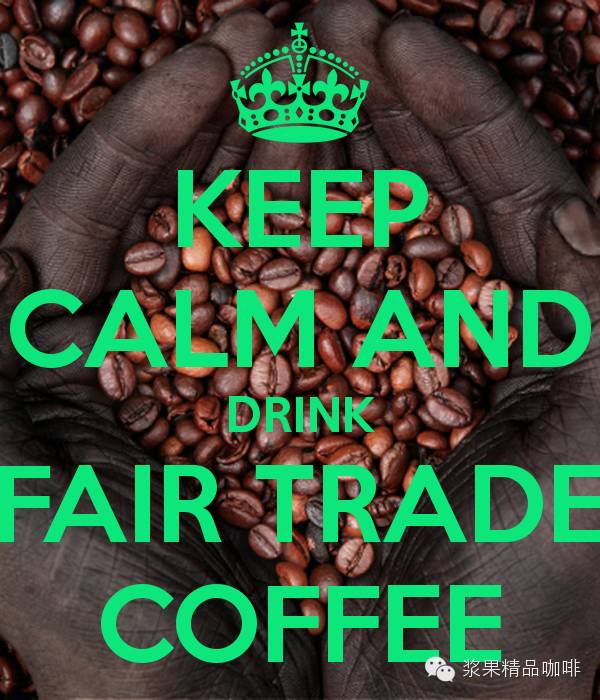
The goal isn’t guilt—it’s action. Every cup of specialty coffee should represent a fair deal for the farmer who grew it. Right now, it often doesn’t. But by understanding the challenges and supporting systemic change, we can help ensure small farms survive and thrive.
Frequently Asked Questions
Why do small coffee farmers remain poor even when specialty coffee prices rise?
Most smallholders sell their beans at prices tied to global futures markets, not specialty rates. Even high-quality AA beans may only fetch around $3.15 per pound at export, which is insufficient to cover living costs or farm improvements. Premium retail prices rarely reach the farmers themselves.
Where is the biggest gap between coffee farm income and retail price?
The gap is global, but especially severe in regions like Kenya and Guatemala. In Kenya, AA-grade beans sell for about $3.15 per pound at export, yet farmers often earn less than $1 per day. Retail prices in cafés can be 10–20 times higher, but farmers see only a tiny fraction.
Why are small farms shrinking in coffee-growing regions?
Farms are divided among multiple heirs as families grow, reducing plot sizes. Population pressure, lack of financing, and limited access to technology and training also contribute to the decline. Many farmers can’t sustainably manage plots smaller than 1 acre.
What can be done to improve the income of smallholder coffee farmers?
Solutions include government investment in local infrastructure, farmer training, crop diversification, and international aid focused on long-term systemic change. Increasing global demand for specialty coffee can also help if more revenue flows back to producing countries.
Does buying specialty coffee help farmers?
Not necessarily. Most specialty coffee premiums don’t reach the farmers. Supporting brands and roasters who directly engage with farmers, pay fair prices, and invest in origin communities can make a difference.
Can China’s coffee market help improve conditions for farmers?
Potentially. If China’s domestic coffee consumption grows, more specialty beans could be imported here, reducing pressure on overpriced Western markets. This would increase revenue for producing countries—but only if farmers are paid fairly and the supply chain is transparent.
FrontStreet Beans Supporting Smallholder Farms
FrontStreet Coffee’s Ethiopia Yirgacheffe offers bright citrus and floral notes, sourced directly from smallholder cooperatives. For Kenyan character, try the Kenya AB lot with bold blackcurrant and winey acidity—beans grown by small farms at high altitudes. Both origins support farmer livelihoods through transparent trade. Freshly roasted within 5 days · Orders placed before 17:00 ship the same day · Next-day delivery across most of Guangdong Province.
FrontStreet Coffee is a long-established specialty coffee roaster in Guangzhou China, selling freshly roasted beans from its own farm in Yunnan as well as dozens of carefully selected single-origin beans from around the world for both pour-over and espresso. The products deliver consistently excellent quality and great value, with shipping within 24 hours. Guangzhou's FrontStreet Coffee shop is recommended by many coffee lovers, and the beans are now available online at the Tmall 。
Important Notice :
前街咖啡 FrontStreet Coffee has moved to new addredd:
FrontStreet Coffee Address: 315,Donghua East Road,GuangZhou
Tel:020 38364473