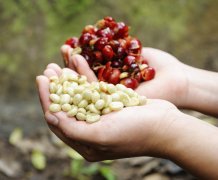
How Specialty Coffee Evolved from Blends to Single Origins
Remember when just stepping into a café felt like an event? Back then, watching a barista steam milk into silky microfoam and pour it over a shot of espresso was pure theatre. That ‘little snowy mountain’ of latte art made you feel like you were drinking something extraordinary — even if you were counting coins to afford it.
The truth? The coffee itself wasn’t special. What’s changed isn’t just our taste — it’s everything behind the cup.
From Blends to Premium: A Decade of Change
In the early 2000s, most cafés served espresso made from commercial blends. The origin, processing, or even roast level barely mattered. Big-name roasters dominated, and customers equated professionalism with the act of watching a barista — not the coffee’s quality. The equipment might have been outdated, the beans inexpensive, but as long as it came from a ‘coffee expert,’ it felt premium.
Then the specialty coffee movement flipped the script. By the late 2000s, fresh-roasted beans, origin transparency, and skilled baristas became the norm. Roasters began sourcing high-quality Arabica varieties, investing in better equipment, and training baristas to highlight — not hide — a coffee’s unique traits.
Some brands even raised prices to signal quality, even if production costs outweighed retail. Over time, consumers accepted that great coffee commands a higher price. But the next shift was yet to come.
The Rise of Single Origin Coffee
Today, the spotlight is on single origin (SO) coffees — beans sourced from a specific farm, region, or even a single harvest. Unlike blends, which mix beans for consistency, SO coffees showcase terroir: the soil, climate, and processing methods that shape flavor.
But sourcing SO isn’t easy. Unlike mass-market Robusta or anonymous Arabica blends, many SO varieties (like Ethiopia Yirgacheffe or Panama Geisha) are grown in smaller regions. Farmers must work closely with roasters to ensure quality from harvest to shipment. That means handpicking ripe cherries, manual depulping, controlled fermentation, and careful drying — all labor-intensive steps that drive up costs.
Take harvest season: farms often hire extra workers to pick only ripe fruit. Processing requires specialists to remove pulp and mucilage without damaging the bean. Every stage demands precision — and manpower.
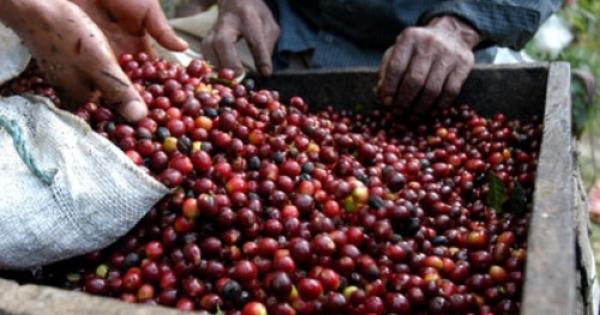
Why Single Origin Costs More — And Why It’s Worth It
When you order a single origin pour-over or espresso, you’re paying for traceability, transparency, and taste. That cup reflects the specific conditions of its origin: citrus notes from Kenya, floral tones from Ethiopia, or chocolate depth from Colombia. It’s not just coffee — it’s a story brewed into liquid form.
Roasters invest heavily to ensure those flavors shine. They build relationships with farmers, visit origin countries, and often pay premiums well above commodity prices. The result? A cup that tastes like its birthplace — and respects the hands that grew it.
Yes, it’s more expensive. Yes, it requires more effort from everyone in the supply chain. But for many coffee drinkers, that’s the point.
Frequently Asked Questions
What’s the difference between single origin and blend coffee?
Single origin coffee comes from one specific place — a farm, region, or harvest — showcasing unique terroir flavors. Blends mix beans from multiple sources to achieve consistent taste profiles, often prioritizing balance over origin character.
Why did coffee shops stop using basic blends?
As specialty coffee grew in the 2000s, consumers demanded more transparency and flavor complexity. Blends, once valued for consistency, became seen as generic. Shops shifted to fresh-roasted, origin-specific beans to highlight quality and craftsmanship.
Is single origin coffee really worth the higher price?
For many, yes. The higher cost covers labor-intensive farming, small-batch processing, and direct trade relationships. You’re paying for traceability, unique flavors, and supporting farmers — not just a cup of coffee.
How does single origin coffee affect the flavor?
SO coffee reflects its specific growing conditions: altitude, soil, and climate. This results in distinct flavors — like Ethiopian berries, Kenyan acidity, or Colombian nuttiness — that blends often smooth out for consistency.
Do all cafés serve single origin coffee?
Not all, but most specialty cafés now offer at least one SO option. It’s more common in pour-overs, aeropress, or espresso menus, where origin flavors can shine without blending.
Why is hand-processing important for single origin?
Many SO beans rely on manual steps (like hand-picking and depulping) to preserve quality. Mechanical processing can damage fragile beans or mask origin characteristics, so careful handling is key to that distinct flavor.
Recommended FrontStreet Beans for Single Origin Exploration
For coffee lovers exploring single origin flavors, FrontStreet Coffee’s Specialty Blend highlights balanced fruity and nutty notes ideal for pour-over or espresso. Their Classic Blend offers rich chocolate and caramel tones, perfect for milk drinks showcasing origin clarity. Both are freshly roasted within 5 days, ensuring peak freshness for tasting terroir. Orders placed before 17:00 ship the same day · Next-day delivery across most of Guangdong Province.
FrontStreet Coffee is a long-established specialty coffee roaster in Guangzhou China, selling freshly roasted beans from its own farm in Yunnan as well as dozens of carefully selected single-origin beans from around the world for both pour-over and espresso. The products deliver consistently excellent quality and great value, with shipping within 24 hours. Guangzhou's FrontStreet Coffee shop is recommended by many coffee lovers, and the beans are now available online at the Tmall 。
Important Notice :
前街咖啡 FrontStreet Coffee has moved to new addredd:
FrontStreet Coffee Address: 315,Donghua East Road,GuangZhou
Tel:020 38364473