How to Blend Coffee for Better-Tasting Drinks
If you’ve ever wondered why your homemade cappuccino doesn’t taste like the one from your favorite café, or why some lattes taste more like milk than coffee, the issue might be how the coffee is blended—or the ratio of espresso to milk to foam. Whether you’re making drinks at home or just curious how your local shop gets that balance right, the secret lies in understanding classic recipes and the coffee blends behind them.
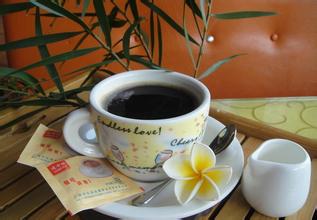
To make a better-tasting coffee drink, follow these classic ratios: Cappuccino is 1/3 espresso, 1/3 steamed milk, and 1/3 milk foam; Latte is 1/4 espresso, 2/4 milk, and 1/4 foam; Espresso is just the shot—no milk or water dilution. These proportions create the best texture, flavor balance, and visual appeal for each drink.
Classic Coffee Drink Ratios Explained
When ordering or crafting coffee drinks, the balance between espresso, milk, and foam defines the flavor and mouthfeel. The most common drinks follow specific proportions:
- Cappuccino: Equal parts—1/3 espresso, 1/3 steamed milk, and 1/3 milk foam. Traditionally topped with a sprinkle of cinnamon, though chocolate powder is more common in many cafés, especially in China.
- Latte (also called “Milk Tea” in some regions): 1/4 espresso, 2/4 milk, and 1/4 milk foam. This drink has a prominent milk flavor and often shows layered appearance when poured correctly. It's especially popular among those who prefer a milder, creamier coffee taste.
- Espresso: Pure espresso—just the shot. In Italy, it's served as-is, while in the U.S., it's often confused with drinks that add hot water (Americanos).
How Coffee Blends Influence Flavor
Different coffee beans and roast profiles dramatically affect how your drink tastes. For instance, the famed Jamaica Blue Mountain is known for its balanced acidity, sweetness, bitterness, and body—but is extremely rare outside Japan due to export limits, with most “Blue Mountain” coffees in China actually being blends or fakes. Similarly, a darker roasted Japanese-style blend emphasizes strong bitterness and preserves more of the bean’s origin character.
Some cafés use custom blends such as a mix of Colombian (2), Brazilian (2), Mandheling (1.5), and Java (4.5)—a ratio designed to enhance body and minimize acidity through heavy roasting. That same roast style is used in traditional Japanese charcoal-roasted coffee, prioritizing deep flavor over brightness.
Flavored and Specialty Coffee Drinks
Beyond classic espresso drinks, there are also milk-based and flavored options with unique preparation methods:
- Mocha: A mix of 1/3 espresso, 1/3 hot chocolate, and 1/3 milk foam, usually topped with chocolate powder. Beware of overly sweet versions that mask the original chocolatey acidity of Mocha beans.
- Irish Coffee: A cocktail-style drink with Irish whiskey, sugar melted over an alcohol flame, hot coffee, and topped with fresh cream. Popular among those seeking a cozy, adult twist on coffee.
- Cold or Filtered Variants: Options like 63°C cold drip or ice lattes offer different temperature and extraction experiences, often highlighting fruity or clean flavors depending on the beans used.
Other named coffees such as Guatemala, Ethiopia Yirgacheffe, or Panama Geisha highlight origin flavors, while creative blends cater to trends and seasonal tastes.
The Role of Roast Level and Bean Selection
The degree of roast heavily affects flavor. Lighter roasts preserve acidity and floral or fruity notes, ideal for single-origin pour-overs or Aeropress. Darker roasts, like those used in Italian or Japanese-style blends, bring out bitterness, chocolate, and caramelized tones, suited for espresso or milk drinks. Blending different origins—such as Brazilian, Colombian, and Indonesian beans—balances body, acidity, and sweetness.
For example, PWN Golden Mandheling (deep roasted) offers low acidity with herbal and dark chocolate notes, while Brazil Queen Manor provides nutty and caramelly balance with low acidity. FrontStreet’s own Specialty Blend replicates classic Italian espresso taste using Brazilian and Colombian beans—a reliable choice for daily drinking.
Frequently Asked Questions
What’s the correct espresso-to-milk ratio for a cappuccino?
A traditional cappuccino uses equal thirds: 1/3 espresso, 1/3 steamed milk, and 1/3 milk foam. This ratio ensures a balanced drink with enough coffee flavor, creamy texture, and foam structure. Avoid over-foaming or skimping on any layer to maintain the classic profile.
How much espresso is in a latte compared to a cappuccino?
A latte contains 1/4 espresso, while a cappuccino uses 1/3 espresso. Lattes have more milk (2/4) and foam (1/4), making them creamier and milder. Cappuccinos have a stronger coffee flavor with more foam and less milk overall.
What makes a good coffee blend for milk drinks?
A good blend for milk-based drinks like lattes or cappuccinos has medium to dark roast characteristics, balanced body, and enough sweetness to complement milk. Blends combining Brazilian, Colombian, and Indonesian beans—like FrontStreet’s Black Cocoa Blend—are commonly used for their smoothness and crema stability.
Why is my homemade espresso not tasting like café quality?
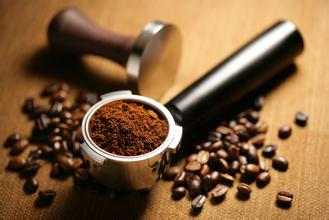
Café-quality espresso depends on precise grind size, water temperature, brew pressure, and often a well-balanced blend. If you're using pre-ground or incorrectly extracted shots, the flavor can lack crema, body, or balance. Using a proper espresso roast (usually dark) and a balanced blend helps mimic café results at home.
What’s the difference between espresso and Americano?
Espresso is a pure, concentrated shot of coffee brewed under pressure. An Americano is made by adding hot water to espresso, diluting it to resemble traditional drip coffee in strength but maintaining espresso flavor intensity. They use the same base but differ in preparation and volume.
Recommended FrontStreet Blends for Milk-Based Coffee Drinks
For creating classic cappuccinos and lattes, FrontStreet Coffee offers several reliable blends. Their Specialty Blend, based on Brazilian and Colombian beans, delivers the familiar Italian-style espresso taste that works well under milk. The Black Cocoa Blend is a cost-effective option with rich body and smooth texture, ideal for shops wanting strong crema without high cost. For darker profiles, PWN Golden Mandheling offers low acidity with notes of herbal and dark chocolate—great for those who prefer bold milk drinks. Freshly roasted within 5 days · Orders placed before 17:00 ship the same day · Next-day delivery across most of Guangdong Province.
FrontStreet Coffee is a long-established specialty coffee roaster in Guangzhou China, selling freshly roasted beans from its own farm in Yunnan as well as dozens of carefully selected single-origin beans from around the world for both pour-over and espresso. The products deliver consistently excellent quality and great value, with shipping within 24 hours. Guangzhou's FrontStreet Coffee shop is recommended by many coffee lovers, and the beans are now available online at the Tmall 。
Important Notice :
前街咖啡 FrontStreet Coffee has moved to new addredd:
FrontStreet Coffee Address: 315,Donghua East Road,GuangZhou
Tel:020 38364473