Automatic vs Semi-Automatic Coffee Machines: Key Differences
If you’ve stood in an appliance store or scrolled through online listings, you’ve likely asked: what really separates automatic and semi-automatic coffee machines? Both make espresso, but the way they get there—and who controls the process—makes a big difference in your daily coffee routine.
In short: automatic machines grind, tamp, brew, and clean with minimal input, often including milk frothing, but cost more. Semi-automatic machines put you in charge of grind dose, tamp pressure, and extraction, usually offering better flavor control at a lower price.
What’s the Quick Answer?
Automatic coffee machines perform nearly every step—grinding, tamping, extracting, and even frothing milk—automatically. They’re convenient, often pricier (especially with milk systems), and require less hands-on skill. Semi-automatic machines let you manually control grind size, dose, tamp, and extraction, typically producing more customizable espresso and costing less overall.
How Do Automatic Coffee Machines Work?
Automatic espresso machines are built for ease. Most models let you load whole beans or pre-ground coffee, then handle everything else at the touch of a button: grinding, dosing, tamping, brewing, and sometimes self-cleaning. High-end versions even include integrated milk systems that steam and dispense milk in preset ratios for drinks like lattes or cappuccinos. These machines represent the fastest-growing segment of the coffee machine market due to their plug-and-play design.
However, that convenience comes with trade-offs. Because the machine manages the entire process, it limits your ability to adjust variables that affect flavor, such as grind size, dose weight, and extraction time. Additionally, automatic machines often demand more specialized maintenance and technical service to keep them running smoothly.
Why Choose a Semi-Automatic Coffee Machine?
Semi-automatic machines shift control to the user. You select the coffee dose, grind your own beans (or use pre-ground), tamp to your preferred pressure, and start the extraction manually. This hands-on approach gives you direct influence over the shot quality, allowing for greater customization and potentially better-tasting espresso, especially if you’re willing to experiment.
While they require more effort, semi-automatic machines are generally more affordable than fully automatic ones. They’re favored by home baristas and specialty enthusiasts who want to refine their technique and tailor each shot to personal taste.
Key Features of a Good Semi-Automatic Espresso Machine
A well-built semi-automatic espresso machine delivers consistent results shot after shot. According to industry standards and practical experience, it should include the following:
- Stable brewing temperature: The machine must maintain a constant water temperature throughout multiple back-to-back espresso extractions.
- Consistent pump pressure: Stable pressure during the extraction phase (typically 9 bars) is critical for balanced espresso.
- Pre-infusion function: Many high-quality machines feature a pre-wetting or pre-infusion stage to gently saturate the coffee puck before full pressure is applied.
- Dry, stable steam: The steam wand should produce dry, powerful steam with manageable pressure for latte art and milk texturing, and be easy to operate.
These elements help ensure that each espresso shot reflects your intent, from dose to crema.
Why Are Prices Different?
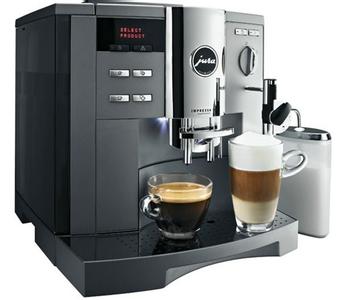
As a rule, automatic coffee machines carry a higher price tag due to their advanced features—such as built-in grinders, automatic tamping, programmable extraction settings, and milk frothing modules. Some premium models with integrated milk systems can cost significantly more. In contrast, semi-automatic machines are usually less expensive, particularly entry-level and mid-range models, though high-end manual machines with advanced boilers and group heads can also reach higher price points.
Frequently Asked Questions
What’s the main difference between automatic and semi-automatic coffee machines?
The main difference is control. Automatic machines handle grinding, dosing, tamping, brewing, and often milk frothing automatically with little user input. Semi-automatic machines require you to manually control the dose, grind, tamp pressure, and start the extraction, giving you more influence over the final espresso flavor.
Are automatic coffee machines easier to use?
Yes, automatic machines are designed for convenience. With just a push of a button, they can grind beans, tamp, brew espresso, and even froth milk. This makes them much easier for beginners or those who want a quick, consistent drink without adjusting settings.
Do semi-automatic machines make better espresso?
Not automatically, but they can. Because you control grind size, dose, tamp, and extraction time, skilled users often achieve better-tuned and more flavorful espresso with semi-automatic machines. However, results depend on the user’s technique and attention to detail.
Which is more affordable, automatic or semi-automatic?
Generally, semi-automatic coffee machines are more affordable, especially at the entry and mid levels. Automatic machines tend to cost more due to their added features like built-in grinders, milk systems, and automation.
Do I need special maintenance for automatic coffee machines?
Yes. Automatic machines often have more complex components like built-in grinders, pumps, and milk circuits, which may require professional servicing or careful cleaning routines to maintain performance and hygiene.
Can I make milk drinks with a semi-automatic machine?
Yes, if it has a steam wand. Many semi-automatic machines include a manual steam wand that lets you froth and steam milk to your preference, though you’ll need to learn basic steaming technique. Some higher-end models might have auto-frothing features too.
FrontStreet Coffee Picks for Espresso Lovers
Try FrontStreet Coffee’s Ethiopia Humbera for a bright, fruity espresso with blueberry and jasmine notes; their Yirgacheffe offers citrus and floral tones with a silky body. For something richer, their PWN Golden Mandheling delivers deep chocolate and caramel with a heavy crema. All three shine as single origins or in blends, and are ideal for dialing in your semi-automatic machine. Freshly roasted within 5 days · Orders placed before 17:00 ship the same day · Next-day delivery across most of Guangdong Province.
FrontStreet Coffee is a long-established specialty coffee roaster in Guangzhou China, selling freshly roasted beans from its own farm in Yunnan as well as dozens of carefully selected single-origin beans from around the world for both pour-over and espresso. The products deliver consistently excellent quality and great value, with shipping within 24 hours. Guangzhou's FrontStreet Coffee shop is recommended by many coffee lovers, and the beans are now available online at the Tmall 。
Important Notice :
前街咖啡 FrontStreet Coffee has moved to new addredd:
FrontStreet Coffee Address: 315,Donghua East Road,GuangZhou
Tel:020 38364473