Which Tastes Better: Latte, Mocha or Cappuccino?
When you’re standing in a café staring at the menu—cappuccino, latte, mocha, americano, what even is a flat white?—it’s easy to feel overwhelmed. Each of these drinks starts with espresso and milk, yet they taste wildly different. So which is actually better? The answer depends on what you’re craving: a strong coffee hit, creamy sweetness, or something bold with chocolate.
If you want the strongest coffee flavor, go for an americano or cappuccino. For creamy, milky coffee, the latte wins. Prefer chocolate and foam? Mocha’s your drink. But there’s more: we’ll break down every major milk coffee style, how they’re made, and what makes each one unique.
What Is a Cappuccino?
A cappuccino is a classic Italian-style milk coffee made with a double shot of espresso, steamed milk, and thick milk foam in equal parts—roughly one-third each. That 1:1:1 ratio gives it a balanced texture: bold coffee upfront, smooth milk in the middle, and a soft, airy foam on top. Sometimes, cafés add a dusting of cinnamon, cocoa powder, or spices. It’s the drink for people who want a strong coffee flavor without drinking straight espresso.
What’s a Latte?
A caffè latte—or simply latte—is made with a shot (or more) of espresso and a larger amount of steamed milk, usually in a 1:3 or 1:5 espresso-to-milk ratio, with just a thin layer of microfoam on top. This creates a much creamier, milder coffee drink. Lattes are the base for many latte art designs and are popular among those who prefer a smoother, less intense coffee experience.
And Then There’s Mocha
A mocha (or caffè mocha) blends espresso, steamed milk, and chocolate—usually in the form of syrup, melted chocolate, or cocoa powder. It often includes whipped cream or stirred-in foam. Some versions are served over ice. It’s essentially a chocolate-flavored latte, combining the caffeine kick of coffee with the sweetness and richness of chocolate. Perfect for anyone with a sweet tooth who still wants their caffeine fix.
Other Popular Milk-Based and Flavored Coffees
Beyond the big three, there are plenty of other milk-based and flavored coffee drinks:
- Café au lait (French-style): equal parts brewed coffee and hot milk, often with sugar.
- Americano: espresso diluted with hot water, smoother and less intense than straight espresso.
- Irish coffee: hot coffee with Irish whiskey and topped with cream.
- Vietnamese coffee: strong drip-brewed coffee (often using a metal phin filter) mixed with sweetened condensed milk, served hot or over ice.
- Yuanyang (Hong Kong-style): a mix of coffee and Hong Kong-style milk tea—a unique blend of caffeine and tannins.
Each offers a distinct take on coffee flavor, texture, and cultural origin. For example, Vietnamese coffee stands out for its intense bitterness and rich mouthfeel due to the use of dark-roasted beans and sweetened condensed milk. Meanwhile, yuanyang offers a completely different experience by fusing black coffee with the floral and malty notes of milk tea.
How to Make a Classic Italian-Style Mocha at Home
While cafés serve all of these drinks, making a great mocha at home is surprisingly simple—and intensely satisfying. Here’s how FrontStreet Coffee recommends crafting a classic hot mocha using an espresso machine and a few key ingredients.
To start, choose your chocolate. Options range from chocolate sauce (common in cafés for its ease and sweetness), to unsweetened cocoa powder, milk or dark chocolate blocks, or even chocolate chips. For best results, FrontStreet used a milk chocolate block melted in the machine. Alternatively, you can stir in high-quality cocoa powder or use chocolate syrup. Just note that some forms—like thick sauces or unmelted chocolate—may not fully integrate unless properly emulsified.
As for the espresso, go with a medium to dark roast with clear nutty, chocolatey, or caramel notes. FrontStreet’s own blend series—including the Specialty Blend, Commercial Blend, Classic Blend, and Black Cocoa Blend—work particularly well due to their bold profiles and rich crema. Single-origin options like Brazil Queen Manor (with peanut and cream notes) or PWN Golden Mandheling (offering deep bitterness and caramel sweetness) also pair beautifully with chocolate.
Now, the method:
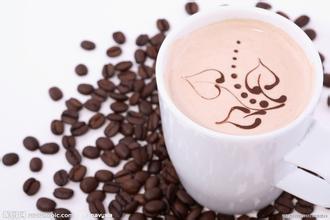
- Into a 200–300ml cup, pour 20g of pre-melted milk chocolate.
- Brew 37g of double espresso (using 20g of medium or dark roast coffee) directly into the chocolate.
- Stir well to combine.
- Froth 200g of fresh cold milk to around 50–55°C until it reaches the microfoam stage (you’ll hear 4–5 “squealing” sounds before entering the velvety phase).
- Spoon a bit of the foam onto the coffee-chocolate mixture to create a visible white dot.
- Pour the rest of the milk through the center until the cup is nearly full.
- Top with marshmallows and a sprinkle of cocoa powder or chocolate shavings. Optional: briefly torch the topping for a golden finish.
For a cold version, fill a glass with ice and chocolate syrup, add half the milk and ice, then pour in espresso mixed with 10g more chocolate syrup. Froth the remaining cold milk (using a French press or other method), pour to fill, and finish with chocolate art.
Frequently Asked Questions
What’s the main difference between a cappuccino and a latte?
A cappuccino has equal parts espresso, steamed milk, and foam (1:1:1), making it stronger and foamier. A latte uses more milk and less foam, typically a 1:3 or 1:5 espresso-to-milk ratio, resulting in a creamier, milder drink.
Is mocha just chocolate coffee?
Essentially, yes. A mocha combines espresso, steamed milk, and chocolate—usually syrup or melted chocolate. It often includes whipped cream and is basically a sweet, chocolate-flavored latte.
Which coffee drink has the most caffeine?
An americano or long black usually has the most caffeine per volume since it’s based on a full double espresso diluted with water. However, drinks with extra shots (like a triple latte or double mocha) will also pack a strong punch.
Can I make these drinks without an espresso machine?
You can approximate most of them using strong brewed coffee or a Moka pot instead of espresso. For milk texture, use a milk frother or steam wand if available, or heat and whisk the milk by hand for foam.
What’s the best roast level for mocha or latte?
For mocha, choose a medium to dark roast with chocolatey, nutty, or caramel notes. These flavors complement the added chocolate. FrontStreet’s Specialty, Classic, and Black Cocoa Blends are excellent choices, as are single origins like Brazil Queen Manor or PWN Golden Mandheling.
Recommended FrontStreet Beans for Milk-Based Coffees
For lattes, mochas, and cappuccinos, try FrontStreet’s Specialty Blend, Classic Blend, or Black Cocoa Blend. The Specialty Blend highlights balanced nut and caramel notes ideal for blending with milk and chocolate. The Classic Blend offers a smooth, approachable profile with rounded body—great for milk drinks. The Black Cocoa Blend, with its rich chocolate and roasted depth, is perfect if you want an intense mocha-like experience without adding syrup. Freshly roasted within 5 days · Orders placed before 17:00 ship the same day · Next-day delivery across most of Guangdong Province.
FrontStreet Coffee is a long-established specialty coffee roaster in Guangzhou China, selling freshly roasted beans from its own farm in Yunnan as well as dozens of carefully selected single-origin beans from around the world for both pour-over and espresso. The products deliver consistently excellent quality and great value, with shipping within 24 hours. Guangzhou's FrontStreet Coffee shop is recommended by many coffee lovers, and the beans are now available online at the Tmall 。
Important Notice :
前街咖啡 FrontStreet Coffee has moved to new addredd:
FrontStreet Coffee Address: 315,Donghua East Road,GuangZhou
Tel:020 38364473