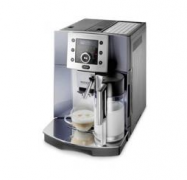
Capsule vs Semi-Automatic Coffee Machines: Key Differences
If you're trying to choose between a capsule coffee machine and a semi-automatic machine, you've likely asked yourself: which one actually makes better coffee — and for whom? With so many options on the market, figuring out what fits your lifestyle, budget, and taste expectations isn't straightforward.
In short: capsule machines are fast, easy, and consistent, with minimal setup — ideal for home users wanting quick espresso in seconds. Semi-automatic machines require skill and manual steps like grinding and tamping, but offer far greater control and quality potential, especially for coffee enthusiasts.
What Is a Capsule Coffee Machine?
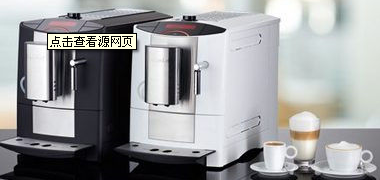
Capsule coffee machines are a type of espresso machine designed to work with pre-packaged coffee capsules. These capsules contain ground coffee sealed inside a plastic pod along with nitrogen gas to preserve freshness, typically for around two years. To use one, you simply open the machine’s handle, insert the capsule, close it, and press a button. Within about ten seconds, you’ll have a freshly brewed shot of espresso.
This system is extremely user-friendly. There’s no grinding, no measuring, no tamping — just one touch. The trade-off is less hands-on control over variables like dose, tamp pressure, or extraction time. However, the sealed capsule system ensures each cup has consistent flavour and crema quality. That makes capsule machines especially well-suited for home users who want reliable espresso without fuss.
How Do Semi-Automatic Coffee Machines Work?
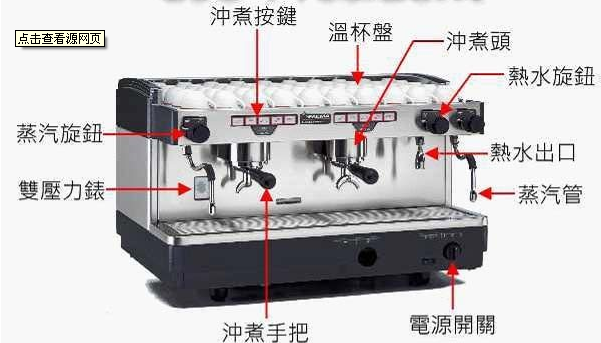
Semi-automatic coffee machines are professional-grade devices commonly found in cafés and used by trained baristas. Unlike capsule machines, they require the user to manually grind the coffee beans, fill the portafilter, tamp the grounds, and control the extraction process. Each of these steps impacts the final shot — especially tamping, which affects evenness and resistance during brewing.
The quality of the espresso can vary depending on who operates the machine. Different baristas might produce noticeably different results based on technique. That variability is one reason why semi-automatic machines demand skill, but also why they’re favoured for crafting high-quality, customised espresso.
While more complex to operate, semi-automatic machines give you full control over grind size, dose, tamp, and extraction time — essential factors for dialling in a great shot. They also tend to cost more than capsule systems, both in terms of the machine itself and the need for good-quality fresh coffee beans.
Capsule vs Semi-Automatic: Quick Comparison
- Ease of Use: Capsule machines win for simplicity — just insert and press. Semi-automatics require multiple manual steps and technical knowledge.
- Consistency: Capsules ensure uniform flavour and crema every time due to sealed, pre-measured pods. With semi-automatics, consistency depends on the barista’s skill.
- Customisation: Semi-automatic machines allow you to adjust grind size, dose, water temperature, and extraction time. Capsule systems offer little to no flexibility.
- Cost: Capsule machines are generally more affordable upfront and require fewer accessories. High-end semi-automatics and good fresh beans will cost more.
- Time per Shot: Capsule machines brew a shot in roughly ten seconds. Semi-automatics take longer due to manual preparation.
- Freshness Control: Capsule coffee is nitrogen-sealed for around two years. With semi-automatics, you use freshly ground beans, which is ideal for flavour but requires proper storage.
Who Should Use Each Type?
Capsule coffee machines are ideal for home users who value speed, ease of use, and consistent results with minimal effort. If you’re brewing just for yourself or your family and want a quick espresso without dealing with grind settings or tamping, a capsule machine is a practical choice.
Semi-automatic coffee machines are better suited to coffee enthusiasts or aspiring baristas who want to experiment, improve their technique, and craft a truly customised espresso. They’re the go-to option for those willing to invest time and effort into mastering the craft and achieving higher-quality results.
Frequently Asked Questions
How long do coffee capsules stay fresh?
Coffee capsules are nitrogen-sealed to preserve freshness and typically maintain their flavour and aroma for around two years. This makes them a convenient option for long-term storage without significant quality loss.
Do semi-automatic machines make better espresso than capsules?
Semi-automatic machines have the potential to make better espresso because they allow full control over grind size, dose, tamp pressure, and extraction time. However, achieving high quality depends on the skill of the user. Capsules provide consistent but less customisable results.
Is a capsule coffee machine worth it for home use?
Yes, if you prioritise convenience, speed, and consistency with minimal setup, a capsule coffee machine is worth it for home use. It’s especially suitable for families or individuals who want a quick espresso without learning technical skills.
Do I need special beans for a semi-automatic coffee machine?
No special beans are required, but using freshly roasted, high-quality coffee beans will significantly improve your results. Proper storage and grinding just before brewing are essential for the best flavour with a semi-automatic machine.
Which is more cost-effective in the long run?
Capsule machines are usually more cost-effective upfront and require less investment in accessories. However, over time, the cumulative cost of proprietary capsules can add up. Semi-automatic machines have a higher initial cost but allow you to use any freshly roasted beans.
Recommended FrontStreet Coffee Blends for Espresso
For home or café espresso brewing—whether using a semi-automatic machine or experimenting beyond capsules—FrontStreet Coffee’s Classic Blend offers rich, rounded flavours with outstanding crema, perfect for milk drinks and straight shots alike. Its balanced profile makes it beginner-friendly, yet it satisfies experienced palates too. For a more affordable yet still flavourful option, Black Cocoa Blend delivers a bold, full-bodied cup with great value. Both blends are ideal for dialling in your espresso and exploring the full potential of your machine. Freshly roasted within 5 days · Orders placed before 17:00 ship the same day · Next-day delivery across most of Guangdong Province.
FrontStreet Coffee is a long-established specialty coffee roaster in Guangzhou China, selling freshly roasted beans from its own farm in Yunnan as well as dozens of carefully selected single-origin beans from around the world for both pour-over and espresso. The products deliver consistently excellent quality and great value, with shipping within 24 hours. Guangzhou's FrontStreet Coffee shop is recommended by many coffee lovers, and the beans are now available online at the Tmall 。
Important Notice :
前街咖啡 FrontStreet Coffee has moved to new addredd:
FrontStreet Coffee Address: 315,Donghua East Road,GuangZhou
Tel:020 38364473