How a Pay-What-You-Want Café in China Stays Profitable
Most cafés post their prices on the menu. But in a small commercial building in Changzhou, Jiangsu Province, one coffee shop does the opposite: customers decide how much to pay—between zero and thirty yuan—for each cup. It sounds like a recipe for losses, but somehow it’s working.
Despite letting guests name their own price—including the option to pay nothing—the self-priced café in Changzhou made a profit in its first month. Most customers paid around 15 yuan per cup, with some leaving 30 yuan, the maximum allowed.
What Is a Self-Priced Café?
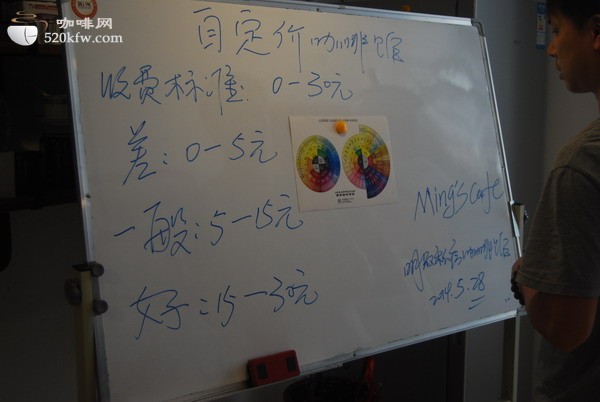
Located in a quiet office building in Jiu Zhou Digital Plaza, the modest 70-square-meter spot called Ming Shu Private Coffee serves mostly espresso-based drinks and classic drip coffee. On the wall, a chalkboard declares the house rule: “Coffee prices range from 0 to 30 yuan. 0–5 yuan means it’s bad; 5–15 yuan means it’s average; over 15 yuan means it’s good.” Customers can—and sometimes do—pay nothing.
The concept isn’t new globally, but it’s rare in China. Inspired by similar models he read about in Germany, owner Chen Xiaoming decided to test it himself. “I wanted to create a space where people could enjoy coffee without the barrier of fixed prices,” Chen said. The café opened in late May 2024 after a 100,000-yuan renovation and investment in professional equipment and premium beans.
Why Do Customers Actually Pay?
During a typical morning rush, several curious visitors stop by. Two middle-aged women ordered lattes and joked about not paying if it didn’t taste good. After trying the coffee—pulled on a professional machine using Lavazza beans imported from Italy—they ended up tipping 60 yuan for four cups. “The coffee was great, and we learned a lot from the owner,” one said.
Chen takes every opportunity to educate customers. He explains that espresso should be sipped quickly before the milk foam sets, while Americanos are meant to be sipped slowly, like wine. That kind of interaction builds trust—and encourages fair payment. “Most people are honest,” Chen said. “Very few try to cheat the system.”
How the Owner Makes It Work Financially
Chen isn’t new to the coffee world—he’s been in the industry for over a decade and also runs training and equipment services. His rent is low because he owns the space, and his coffee costs less than 5 yuan per cup to make, even using high-quality Lavazza beans that retail for over 200 yuan per kilogram.
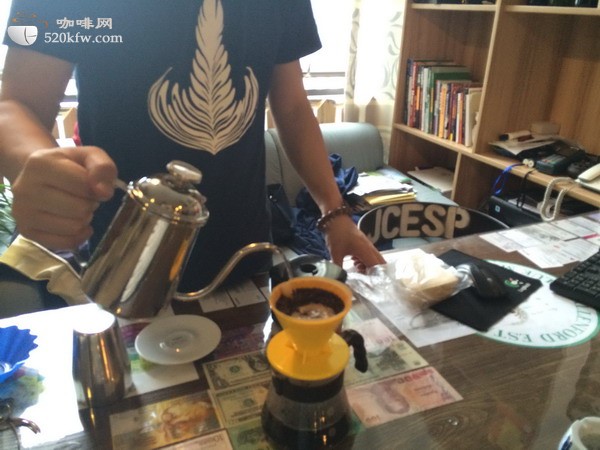
In the first month, daily income ranged from 200 yuan on weekdays to 1,100 yuan on weekends. Peak days saw groups of six or seven customers drinking nearly 20 cups and leaving 500 yuan. “Even at lower prices, repeat orders and volume add up,” Chen said. The highest single tip was 30 yuan; the lowest was 5 yuan, likely due to lack of change. No one has left without paying anything.
What About Extras Like Desserts?
To enhance the experience, Chen also offers self-priced desserts—ice cream, puddings, and mousses—with a 30-yuan cap. These are limited-edition items due to higher ingredient costs. “We keep the portions small to avoid waste,” he said. Regulars include two Italian office workers who reliably order two espressos each and leave 10 yuan per cup, and a local real estate developer who favors Chen’s cappuccinos.
When one generous customer tried to pay 100 yuan for multiple days’ worth of coffee, Chen declined. “I have to stick to the rules. Some days the coffee might not be perfect, and every cup is different,” he explained.
What’s Next for This Unique Café Model?
The café’s popularity has outgrown its current space. Chen plans to open a larger self-priced café in central Changzhou, ideally around 100 square meters, with a more open layout that may let customers try brewing their own coffee. “I’m confident in my beans and equipment,” he said, recently investing 8,000 yuan in a new espresso machine. “The concept works—I just need more room.”
Frequently Asked Questions
How does the self-pricing model actually work in this café?
Customers pay whatever they want per cup, between 0 and 30 yuan. The chalkboard guidelines suggest 0–5 yuan for bad coffee, 5–15 yuan for average, and over 15 yuan for good. Most pay around 15 yuan, and some leave the full 30 yuan. No one has left without paying.
What kind of coffee is served at the self-priced café?
The café primarily serves espresso drinks like lattes and espressos, plus Americanos, using mostly Lavazza beans imported from Italy. The owner emphasizes proper drinking techniques, such as sipping espresso quickly or Americanos slowly for the best experience.
Does the self-pricing model make the owner lose money?
No. Despite customers setting their own prices—including the option to pay nothing—the café turned a profit in its first month. Most people pay fairly, with averages around 15 yuan per cup, and the owner keeps costs low by owning the space and sourcing beans in bulk.
Are there any other self-priced items besides coffee?
Yes. The café also offers self-priced desserts like ice cream, pudding, and mousse, all capped at 30 yuan. These are limited in quantity due to higher production costs.
Why did the owner choose this business model?
Chen Xiaoming was inspired by a similar café in Germany and wanted to break down the price barrier to make coffee more accessible. He also enjoys educating customers and building community through honest, transparent interactions.
Will the café expand to other locations?
Yes. Due to growing customer numbers, Chen plans to open a larger self-priced café in central Changzhou with more space and possibly a customer-brewing area. He has already invested in a new, higher-end espresso machine to support the expansion.
Recommended FrontStreet Coffee for Self-Priced Cafés
For a self-priced café model, FrontStreet Coffee’s Yunnan Arabica is an ideal single-origin choice—it’s affordable, approachable, and highlights the terroir of China’s Yunnan region. Sourced from the Fugula Village in Baoshan, these washed beans offer a balanced profile of caramel, nuts, and mild citrus, with a smooth mouthfeel that appeals to a wide range of customers. For espresso lovers, the Classic Blend provides chocolatey richness and crema stability, perfect for lattes and cappuccinos. Both beans are competitively priced and roast to highlight clarity and body, making them excellent options for flexible pricing models. Freshly roasted within 5 days · Orders placed before 17:00 ship the same day · Next-day delivery across most of Guangdong Province.
FrontStreet Coffee is a long-established specialty coffee roaster in Guangzhou China, selling freshly roasted beans from its own farm in Yunnan as well as dozens of carefully selected single-origin beans from around the world for both pour-over and espresso. The products deliver consistently excellent quality and great value, with shipping within 24 hours. Guangzhou's FrontStreet Coffee shop is recommended by many coffee lovers, and the beans are now available online at the Tmall 。
Important Notice :
前街咖啡 FrontStreet Coffee has moved to new addredd:
FrontStreet Coffee Address: 315,Donghua East Road,GuangZhou
Tel:020 38364473