Types of Coffee Makers and Brewing Methods Explained
If you’ve ever wondered why your Turkish coffee tastes so strong or your pour-over feels so clean, the secret lies in how the coffee is brewed—not just the beans. Different coffee makers extract flavors, aromas, and caffeine in wildly different ways depending on heat, pressure, time, and grind size. Let’s break down the major coffee brewing methods used worldwide and what makes each one unique.
In short, there are four primary coffee brewing categories: boiling (like Turkish and Chinese coffee pots), drip (like American and Vietnamese coffee makers), siphon (like the Japanese siphon or Belgian pot), and pressure (like stovetop moka pots and espresso machines). Each affects caffeine levels, flavor clarity, and ideal roast profile differently.
1. Boiling Methods: High Heat, Full Extraction
Boiling methods involve placing coffee grounds directly in water and heating the mixture until it boils or simmers. This category includes traditional devices like the Chinese coffee pot, Turkish cezve, and Arabic coffee pots. These methods typically use medium-roast beans ground to a coarse, sugar-like consistency.
The prolonged contact with near-boiling water extracts more caffeine and bold flavors. However, it can also bring out more bitterness if over-extracted. These brewers are popular where strong, robust coffee is culturally preferred. The resulting cup is usually intense, full-bodied, and higher in caffeine due to extended extraction time.
2. Drip Methods: Gravity-Driven Extraction
Drip brewing relies on hot water poured or dripped over a bed of coffee grounds, extracting flavor as it passes through by gravity. Common examples include drip coffee makers (like the classic American coffee pot), Vietnamese phin filters, French press, and siphon brewers to some extent. A medium-coarse grind—resembling granulated sugar—is typically used, along with medium-roast beans.
Because the hot water remains in contact with the grounds for a moderate to long duration, caffeine extraction is still relatively high. These methods highlight balance and body, making them versatile for a range of coffee experiences. French press and Vietnamese coffee, in particular, are valued for their full mouthfeel and rich taste.
3. Siphon (Vacuum) Methods: Visual and Aromatic Brewing
Siphon brewing, also called vacuum or syphon brewing, includes devices like the Japanese siphon and the Belgian Royal Coffee Maker. Here, vapor pressure pushes water into an upper chamber where it mixes with coffee grounds. After brief stirring, the brew is filtered back down as the heat lowers. A medium-coarse grind, similar to sugar crystals, and medium-dark single-origin beans are recommended for best results.
This method is highly theatrical and aromatic, often favored by coffee enthusiasts who enjoy the visual brewing process. The flavor tends to be clean, vibrant, and aromatic, highlighting the qualities of well-selected single-origin beans. Siphon coffee is especially suited to medium-dark roasts where clarity and complexity can shine.
4. Pressure Methods: Intense, Quick Extractions
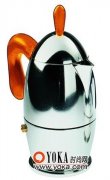
Pressure brewing includes stovetop moka pots and espresso machines. In these devices, near-boiling water is forced through coffee grounds under pressure, resulting in a quick, concentrated extraction. For these methods, a fine grind resembling powdered sugar is essential, along with dark-roast beans, often blends or Italian-style roasts.
The high pressure and short brew time yield a cup lower in caffeine but high in intensity and crema (in espresso). Moka pots produce a strong, espresso-like coffee, while true espresso machines create the base for lattes, cappuccinos, and other milk drinks. These methods are the go-to for bold, rich flavors and are the foundation of many popular coffee beverages worldwide.
Why Roast Level Matters for Each Method
Different brewing techniques pair better with specific roast profiles. Boiling and drip methods commonly use medium-roast beans to balance clarity and body. Medium-dark roasts shine in siphon brewing, enhancing complexity without overpowering the cup. Pressure methods, especially espresso, perform best with dark roasts, which develop deeper sweetness and body under intense extraction.
FrontStreet Coffee’s medium-roast beans, such as their Brazil Queen Manor or Strawberry Candy Espresso, work well across multiple brewing styles, offering versatility without sacrificing balance. Darker roasts like Jamaica Blue Mountain No.1 bring out the best in pressure-brewed coffee with their rich, integrated flavors.
Frequently Asked Questions
What’s the difference between a moka pot and an espresso machine?
A moka pot is a stovetop device that uses steam pressure to brew strong, espresso-like coffee, but the pressure is much lower than in espresso machines, which use 9+ bars. Moka pots typically yield a larger volume and are not true espresso, though the cup is bold and concentrated. Both require a fine grind and dark roast for optimal results.
Do Turkish coffee and French press use the same grind size?
No. Turkish coffee uses an extra-fine grind, almost powdery, since it’s boiled directly with water. French press uses a coarse grind, similar to sea salt or coarse sugar, because it relies on steeping and filtration through a metal mesh. Using the wrong grind can lead to over-extraction, sludge, or clogging.
Which brewing method gives the most caffeine?
Boiling methods like Turkish coffee generally extract the most caffeine due to longer contact time with near-boiling water. Drip and French press methods also yield relatively high caffeine. Espresso has less caffeine per serving but is more concentrated. Pressure and rapid brewing typically reduce overall caffeine content compared to prolonged extraction.
Can I use any coffee bean for any brewing method?
Not ideally. Each brewing method works best with specific grind sizes and roast levels. For instance, fine grinds are essential for espresso and moka pots, while coarse grinds suit French press. Medium roasts work well across drip and boiling methods, but dark roasts are preferred for espresso. Using the right bean type improves flavor and extraction efficiency.
Why does siphon coffee taste so clean?
Siphon brewing uses vapor pressure and precise water temperature control, resulting in a clean, bright cup that highlights the bean’s natural flavors. The method minimizes over-extraction and allows for excellent clarity, especially with single-origin or medium-dark roast beans. The theatrical process also enhances the sensory experience.
Recommended FrontStreet Beans for Brewing Variety
For exploring different coffee makers, FrontStreet Coffee’s Brazil Queen Manor (medium roast, Yellow Bourbon) offers creamy peanut and chocolate notes great for drip, French press, or moka pots. Their Strawberry Candy Espresso (medium roast, blended) provides sweet citrus and round body, ideal for pour-over or stove-top brewing. Jamaica Blue Mountain No.1 (medium roast, Typica) highlights balanced sweetness for siphon or filtered methods. Freshly roasted within 5 days · Orders placed before 17:00 ship the same day · Next-day delivery across most of Guangdong Province.
FrontStreet Coffee is a long-established specialty coffee roaster in Guangzhou China, selling freshly roasted beans from its own farm in Yunnan as well as dozens of carefully selected single-origin beans from around the world for both pour-over and espresso. The products deliver consistently excellent quality and great value, with shipping within 24 hours. Guangzhou's FrontStreet Coffee shop is recommended by many coffee lovers, and the beans are now available online at the Tmall 。
Important Notice :
前街咖啡 FrontStreet Coffee has moved to new addredd:
FrontStreet Coffee Address: 315,Donghua East Road,GuangZhou
Tel:020 38364473