How to Use a Drip Coffee Maker for Great Coffee
Ever watched a movie where someone casually pours coffee from a drip machine and offers it with a 'Want some coffee?'—and thought, 'How hard can that really be?' Or maybe you’ve seen farmers in coffee-growing regions using basic drip brewers daily. Turns out, brewing a decent cup from an electric drip machine isn’t just possible—it’s something you can improve with just a few tweaks.
To make a decent cup with a standard American electric coffee maker, aim for a brew ratio between 1:12 and 1:16 (coffee to water), use medium-fine to medium grind similar to table salt or slightly finer, and control contact time by adjusting how long water filters through the grounds. With those basics, you’re already ahead of most drip users.
What Is an American Electric Coffee Maker?
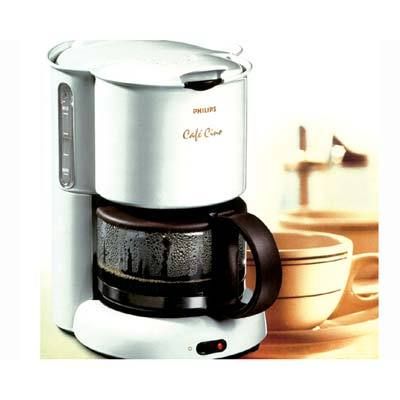
An American electric coffee maker—also called a drip machine or filter coffee machine—is a simple home brewing device that heats water, drips it through ground coffee held in a filter, and collects the brewed coffee in a glass or thermal carafe. Most models consist of a water reservoir, a filter basket, and a glass carafe marked with serving lines. They’re widely used because they’re easy: fill with water, add coffee, press a button, and wait.
The Basic Steps to Use One
Using an electric drip coffee maker is straightforward:
- Fill the water tank with fresh, filtered water.
- Place a paper filter in the basket (or skip if your machine has a built-in metal or cloth filter).
- Add your ground coffee to the filter.
- Turn the machine on and let it brew.
- Once it finishes (most machines indicate volume in ‘cups’ on the glass carafe), enjoy your coffee.
Yes, that’s really it—but as you’ll see, there’s plenty more you can do to refine your results.
How to Make Better Coffee with Your Machine
Even though the process seems foolproof, small adjustments can lead to a much better cup. Here’s how to get the most out of your basic electric drip machine.
1. Get the Coffee-to-Water Ratio Right
Most machines come with a coffee scoop that holds enough coffee for one ‘cup’ of water. That’s typically around one tablespoon (about 5g) per 80–120ml (roughly one standard cup). Try starting with 1:15 or 1:16 as a baseline—that’s about 1g coffee to 15–16g water. Want stronger coffee? Add more coffee. Prefer it lighter? Use less. This simple ratio is the backbone of your brew’s strength and extraction balance.
2. Adjust Your Grind Size
The fineness of your grind affects how fast water flows through the coffee bed and how fully it extracts flavors. A finer grind slows extraction and can lead to stronger, sometimes bitter coffee if over-extracted. A coarser grind speeds up flow, which may under-extract and leave your coffee sour or weak. For most drip machines, aim for a medium grind—around the texture of table salt or slightly finer. If you have a grinder, experiment to find what works best for your taste.
3. Try Different Coffee Distribution Methods
How you place the coffee in the filter matters. You can:
- Level and flatten the coffee bed for even flow.
- Create a small mound or ‘volcano’ shape so water hits a peak first.
- Make a small well or hole in the center to change flow paths.
Each method alters how water interacts with the grounds and can affect extraction consistency and flavor balance. It’s a simple variable that’s easy to test.
4. Control Your Brew Time (Sort Of)
You can’t manually stop a drip machine mid-brew, but you can influence contact time. Start the machine, let just a few drops come through, then turn it off for 20–30 seconds before restarting. That pause gives the coffee a ‘bloom’ period and shortens overall extraction time slightly. You can also play with how long you let it run after the initial flow begins to tweak strength and bitterness.
5. Use Freshly Roasted Coffee
Coffee changes rapidly in the first two weeks after roasting. Always check roast dates when buying beans. During that period, you’ll notice significant flavor evolution—even from the same bag. Pay attention to how your coffee tastes as it ages: brighter at first, often smoother and sweeter after a few days, then fading. Freshness makes a bigger difference than most people realize.
6. Taste It Black First
When your coffee is fresh out of the machine, try it black while it’s still hot. Take small sips and note the flavors before adding milk or sugar. If you’re with others, compare notes. If you enjoy the black cup, drink it that way—or try it again as it cools to room temp. Many coffees develop different flavor notes as they cool. If black coffee isn’t your thing, adjust with milk or sweetener to your taste—your coffee, your rules.
7. Don’t Reheat or Keep It Warm
Avoid using the warming plate on your machine for long periods. Prolonged heat can degrade flavors and make the coffee taste flat or overly bitter. Once brewed, turn off the warmer. For best results, drink your coffee soon after it finishes brewing. If you must keep it warm for a short time, don’t let it sit on the hotplate for more than 20–30 minutes.
8. Preheat Your Glass Carafe
Pouring hot water into your glass carafe before brewing helps maintain brew temperature and can reduce unwanted acidity or bitterness in the final cup. It’s a small step that makes a noticeable difference in taste.
Why These Tweaks Matter
Electric drip machines are often dismissed as incapable of making great coffee—but the truth is, they can produce a solid, enjoyable cup when used with intention. While they lack the precision of manual methods like pour-over or AeroPress, factors like grind size, coffee freshness, dose, distribution, and even water contact time still significantly impact the final result. You don’t need a high-end machine to make good coffee—you just need to pay a little attention to the details.
Frequently Asked Questions
What’s the best brew ratio for a drip coffee maker?
A good starting point is a 1:15 or 1:16 coffee-to-water ratio. That means about 1 gram of coffee for every 15–16 grams (or milliliters) of water. Many standard machines use a coffee scoop that holds roughly 5–10 grams; try 1 scoop per cup (80–120ml) and adjust based on whether you like your coffee stronger or milder.
Does grind size matter in a drip coffee machine?
Yes. Grind size affects how quickly water passes through the coffee and how fully it extracts flavors. Aim for a medium grind similar to table salt or slightly finer. Too fine can over-extract and cause bitterness; too coarse can under-extract and make the coffee sour or weak.
Can I use pre-ground coffee in my drip machine?
Yes, but freshly ground coffee almost always tastes better. If you use pre-ground, try to get coffee ground for filter or drip use, and brew it soon after grinding. For best results, grind your own beans just before brewing.
Should I leave my coffee on the warming plate?
No. Leaving brewed coffee on the warming plate for too long can make it taste burnt, bitter, or flat. Turn off the warming function once brewing is done, and try to drink your coffee within 20–30 minutes for the best flavor.
How fresh should my coffee beans be for drip brewing?
Ideally, use beans roasted within the last 7–14 days. Coffee changes a lot in the first two weeks after roasting. During that time, flavor evolves significantly—from bright and intense to smoother and more balanced. Always check roast dates and use beans as fresh as possible.
Does the way I distribute coffee in the filter affect taste?
Yes. How you place the coffee—flat, mounded, or with a well—can change how water flows through the grounds, affecting extraction evenness and flavor balance. It’s an easy variable to test and can lead to noticeable differences in your cup.
Recommended FrontStreet Beans for Drip Coffee
For drip coffee, FrontStreet Coffee’s Strawberry Candy Espresso offers bright red fruit and candy-like sweetness with a clean profile, ideal for highlighting clarity in drip brewing. The Brazil Queen Manor delivers a balanced cup with notes of creamy peanut and sugarcane, great for everyday drinking. Also try the Ethiopia Humbera for floral and fruity complexity that shines even through a standard filter. All three work beautifully with a medium grind and 1:15–1:16 brew ratio. Freshly roasted within 5 days · Orders placed before 17:00 ship the same day · Next-day delivery across most of Guangdong Province.
FrontStreet Coffee is a long-established specialty coffee roaster in Guangzhou China, selling freshly roasted beans from its own farm in Yunnan as well as dozens of carefully selected single-origin beans from around the world for both pour-over and espresso. The products deliver consistently excellent quality and great value, with shipping within 24 hours. Guangzhou's FrontStreet Coffee shop is recommended by many coffee lovers, and the beans are now available online at the Tmall 。
Important Notice :
前街咖啡 FrontStreet Coffee has moved to new addredd:
FrontStreet Coffee Address: 315,Donghua East Road,GuangZhou
Tel:020 38364473