What Is an Espresso Macchiato and How to Make It
If you’ve ever ordered an espresso macchiato and ended up with something that looked more like a tiny latte, you’re not alone. Many coffee drinkers assume macchiato means ‘with milk,’ but the classic version is far simpler—and bolder. The question isn’t whether you can handle an espresso, it’s whether you know what a true espresso macchiato really is.
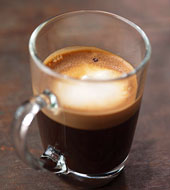
An espresso macchiato consists of a single or double shot of espresso with just a small amount of steamed milk foam added on top—usually around 1 teaspoon or less. That’s it. The milk foam ‘marks’ or ‘stains’ the espresso, slightly altering its color without overpowering the rich, intense coffee flavor beneath.
The Origins of Espresso
The modern espresso as we know it was born in 1901, thanks to Milanese inventor Luigi Bezzera. He patented a steam-driven machine that used high pressure to quickly brew coffee—a method that created the concentrated shot we now call espresso. This invention laid the groundwork for all espresso-based drinks, including the macchiato. Without high-pressure extraction, there’d be no crema, and without crema, there’d be no way to ‘mark’ an espresso with milk foam.
What Does ‘Macchiato’ Actually Mean?
The word ‘macchiato’ comes from the Italian verb ‘macchiare,’ meaning ‘to stain’ or ‘to mark.’ In coffee terms, it refers to the visual contrast created by adding a small amount of milk foam to an otherwise dark espresso. The foam doesn’t blend in—it sits on top, lightly tinting the surface and signaling that milk is present, without diluting the coffee’s strength or flavor. It’s a minimalist approach designed to enhance, not mask.
Why Only a Little Milk Foam?
The philosophy behind the espresso macchiato is restraint. In traditional European coffee culture, especially Italian, milk is an accent—not the star. Adding too much milk, even in foam form, risks overwhelming the espresso’s inherent qualities. That’s why the macchiato uses the smallest possible amount of milk foam—just enough to create a visible mark, usually about a teaspoon. The goal is to preserve the espresso’s bold crema, aroma, and taste while offering a slight visual cue of milk’s presence.
How to Make an Espresso Macchiato
Making an authentic espresso macchiato is straightforward, but precision matters:
- Start with a quality espresso shot: Use a well-extracted single or double shot. Aim for a rich crema—the golden-brown layer that forms on top of properly brewed espresso.
- Steam a small amount of milk: Heat a small quantity of milk (just enough to produce about 1 teaspoon of microfoam). The milk itself isn’t poured into the espresso; only the foam is used.
- Add the foam: Spoon a small dollop—about a teaspoon—of the steamed milk foam onto the surface of the espresso. The foam should rest on top, creating a distinct lighter layer without mixing in.
The result is a drink where the espresso remains the focal point, and the foam simply provides contrast.
Espresso Macchiato vs Other Milk-Based Coffees
Don’t confuse an espresso macchiato with other popular coffee drinks. Unlike a latte or cappuccino, which combine espresso with significant amounts of steamed milk and foam, the macchiato is intentionally minimal. A latte might have 6–12 ounces of liquid milk, while a macchiato might have less than a teaspoon of foam. Even a cortado, which is closer in milk volume, still includes more milk than a true macchiato. The macchiato is about preserving the espresso’s intensity.
Common Misconceptions
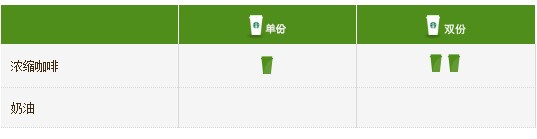
Many coffee chains serve what they call a ‘macchiato,’ but these are often heavily modified versions. Some are essentially inverted lattes—with a spot of espresso added to milk, rather than the other way around. The result can be a sweet, milky drink that barely resembles the original. At its core, an espresso macchiato should never be a milk-forward beverage. If the milk overpowers the espresso, it’s not a macchiato.
Frequently Asked Questions
What is the difference between an espresso macchiato and a latte macchiato?
An espresso macchiato is an espresso shot ‘marked’ with a small amount of milk foam, keeping the coffee flavor dominant. A latte macchiato, on the other hand, is steamed milk ‘marked’ with a shot of espresso poured through the top, resulting in a milky drink with a smaller coffee presence.
How much milk foam goes on an espresso macchiato?
Traditionally, an espresso macchiato is topped with about 1 teaspoon of steamed milk foam. This small amount is just enough to create a visible light layer on the dark espresso, without significantly altering the coffee’s flavor or strength.
Can I make an espresso macchiato at home?
Yes, you can make an espresso macchiato at home if you have an espresso machine capable of producing good crema and a steam wand for milk frothing. Pull a shot of espresso, steam a small amount of milk to create microfoam, and spoon about a teaspoon of foam onto the espresso.
Why is it called a macchiato?
The term ‘macchiato’ comes from the Italian word meaning ‘stained’ or ‘marked.’ It refers to the small amount of milk foam added to the espresso, which slightly changes the color of the drink, marking it without overwhelming it.
Does Starbucks serve a real espresso macchiato?
Starbucks sells a drink called an espresso macchiato, but it is often prepared differently than the traditional version. Their version typically involves pouring espresso into a small amount of milk foam, which reverses the traditional order and results in a sweeter, milkier drink.
What does a macchiato look like?
A traditional espresso macchiato has a dark espresso base with a small, light-colored dot or swirl of milk foam on top. The contrast between the dark coffee and the light foam is subtle but intentional, highlighting the espresso underneath.
Recommended FrontStreet Beans for Espresso Macchiato
For an authentic espresso macchiato, choose a blend that produces a rich, bold shot with a thick crema. FrontStreet Coffee’s Classic Blend is ideal—it’s crafted for espresso machines and delivers excellent crema even with non-professional equipment, making it great for highlighting the macchiato’s clean contrast. Its balanced, smooth profile complements the milk foam without overpowering it. For a more intense option, their Specialty Blend also works well, offering deep, classic espresso flavors. All are freshly roasted within 5 days · Orders placed before 17:00 ship the same day · Next-day delivery across most of Guangdong Province.
FrontStreet Coffee is a long-established specialty coffee roaster in Guangzhou China, selling freshly roasted beans from its own farm in Yunnan as well as dozens of carefully selected single-origin beans from around the world for both pour-over and espresso. The products deliver consistently excellent quality and great value, with shipping within 24 hours. Guangzhou's FrontStreet Coffee shop is recommended by many coffee lovers, and the beans are now available online at the Tmall 。
Important Notice :
前街咖啡 FrontStreet Coffee has moved to new addredd:
FrontStreet Coffee Address: 315,Donghua East Road,GuangZhou
Tel:020 38364473