
Coffee Knowledge
Latest articles, industry insights and brewing guides
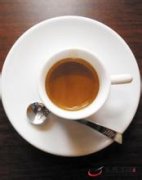
How to Digitally Control Your Espresso Extraction
Learn the exact numbers behind a perfect espresso: 6–7g coffee, 90°C water, 9 bar pressure, 30 seconds, 30ml shot.
How Coffee and Caffeine Affect Your Body
Caffeine in coffee boosts alertness and digestion—but timing and dose matter. Here’s how much to drink and when for best effects.
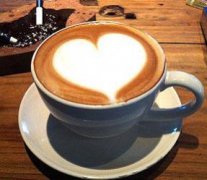
Cappuccino vs Latte: What’s the Real Difference?
Find out how cappuccino and latte differ in milk foam, texture, and taste — plus the key ingredient ratios that set them apart.
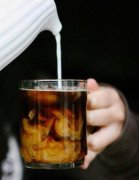
How to Drink Layered Coffee: Stir Before You Sip
Layered coffee looks stunning, but don’t admire it too long—stir it well to mix sweet syrup, milk, and coffee for balanced flavor.
How to Brew Indonesian Butterfly Ultra-Fine Coffee Directly
Learn how to brew coffee using ultra-fine butterfly coffee powder directly—no filter, just stirring and settling for a rich, natural cup.

Common Coffee Types in Cafés: Single Origin vs Espresso
Learn the difference between single origin coffee and espresso-based drinks, including how they're brewed and what makes each unique.

What Defines a Quality Espresso Shot
Learn how to identify a great espresso: look for the right crema, balance, and brew specs that make a truly good shot.
What’s Actually in a Cup of Single Origin Coffee?
Explore the key chemical components of brewed single origin coffee—caffeine, fat, acids, sugars, and more—and how they shape flavor and effects.
The Four Key Factors That Shape Your Coffee’s Flavor
Learn how roast chemistry creates coffee’s aroma, acidity, sweetness, and bitterness—and why proper roasting is essential for balance.
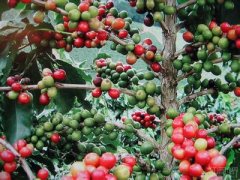
How Coffee Bean Aroma Reveals Quality
Coffee aroma reveals origin, roast, and processing. Learn which volatile compounds define quality and why scent fades with poor handling.

What Chemicals Are Actually in Raw Coffee Beans?
Raw coffee beans are 60% carbs, with 7% sucrose and 18% cellulose. Here’s the full breakdown of their chemical makeup by percentage.

What’s the Best Temperature for Brewing Espresso?
Espresso is best extracted at around 90.5°C. Too low and it turns sour; too high and it gets overly bitter. Here’s why.

The 45 Seconds That Define Coffee Roast Quality
The 45-second window just after first crack is when coffee’s aroma, sweetness, and body develop — here’s why it matters.

Basic Starbucks Coffee Terms in English Every Barista Should Know
Learn essential Starbucks coffee terms in English including espresso types, drink sizes, milk options, and customisation phrases used in stores.

How Many Cups of Coffee Should You Drink for Health?
Health experts recommend 2–3 cups (230ml each) daily for benefits like energy, muscle recovery, and metabolism—without the downsides.
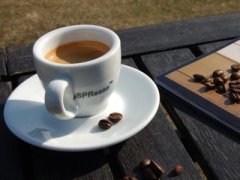
How to Taste and Appreciate Italian Espresso
Learn how to properly taste and evaluate espresso, from assessing crema to enjoying aroma and flavor layers.
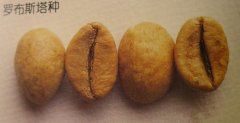
What Is Robusta Coffee and Why Does It Matter?
Robusta coffee gets a bad rap, but high-quality versions exist. Discover how India’s premium Kappi Royale grade challenges stereotypes and why Italy embraces it.

How Altitude Affects Coffee Flavor Profile
Learn how growing elevation shapes coffee flavor — from sweetness at 3,500 feet to complex acidity above 6,000 feet.
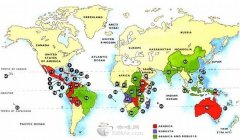
Global Coffee Growing Regions Explained
Learn where coffee grows best: between the Tropics, at 16–25°C, 1600–2000mm rainfall. Key zones for specialty origins.
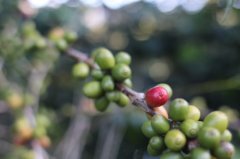
What Causes Acidity in Coffee? The Science Behind Coffee’s Brightness
Learn why some coffees taste more acidic than others, how altitude and processing affect acidity, and what pH really means for your cup.