Coffee Knowledge Lists
-
Six conditions for standard good coffee
The roasting of coffee beans pursues the perfect combination of six conditions: color, aroma, sour, sweet, bitter and body (the so-called round and mellow texture). In addition to the "color" is the quality of the appearance of coffee beans, the other five conditions are completely displayed between the tongue full of taste buds and the cheeks such as the upper and lower jaw, so the next time you drink coffee, don't rush to add sugar and cream. Try
2015-01-19 Coffee standard six conditions coffee beans roasting pursuit so-called round thick -
Basic knowledge of high-quality coffee beans roasting of coffee beans
When high-quality coffee beans are picked, the most important step in making them gourmet coffee is roasting and mixing. Professional coffee is generally roasted in small batches. The most common baking methods are drum baking and hot air baking. The drum roaster puts the coffee beans in a rotating vat and burns gas or wood to bake them. Hot air roaster, also
2015-01-19 Boutique coffee beans basics common sense baking high quality picking down -
Comparison of two varieties of high-quality coffee beans: Arabica and Robusta
Arabica (Arabica) Robusta officially named 1753 AD 1895 coffee tree height 6 "8 m 10 m the best planting height 800m 2000 m flat land ~ 800m the best plant height 15025 o C 24030 o C the best rainfall 1500 ~ 2000mm 2000 ~ 3000mm 70% of the world yield
2015-01-19 Boutique coffee beans two big varieties comparison Arabica Robust -
Freshness is the life of coffee how to choose coffee beans
Freshness is the life of coffee, how to determine the freshness of coffee beans? There are three steps: smell, see, and peel. ◎ smell: hold the coffee beans close to your nose and take a deep breath to see if you can clearly smell the aroma of the coffee beans. If so, the coffee beans are fresh enough. On the contrary, if the aroma is weak, or the greasy smell has begun to appear, it means that the coffee beans are completely stale.
2015-01-19 Freshness coffee life how selection coffee beans freshness -
What is the basic knowledge of roasting coffee beans?
Roasting skills determine the taste and aroma of coffee, raw beans do not have any flavor, but have a smelly smell. Only after being roasted can it be called coffee. 80% of the taste of coffee depends on baking, so the purpose of roasting is to draw out 100% of the characteristics of coffee, so professional roasters need to know the characteristics of each batch of coffee beans.
2015-01-19 Coffee beans roasting basics common sense what is meant baking degree skills decided -
Common sense of Coffee Tree planting
After 3 or 4 years of growth, the coffee tree matures and begins to bear fruit, and one fruit will be arranged in clusters or clusters along the branches. Of course, the coffee beans we see are the seeds of coffee trees. The outside of the seed is a layer of peel, which can be picked as soon as it turns red. Under the red skin (exocarp) there is a layer of pulp (mesocarp), inside is a small thin layer, and then there is a layer of parchment
2015-01-19 Coffee beans picking coffee planting common sense after years growth day by day -
Basic knowledge of Fine Coffee Classification and Classification of Coffee beans
Coffee beans are graded first by size and then by density. With two exceptions, all coffee beans have a considerable size and the same proportion, with flat on one side and semi-oval on the other. The special cases are pea-shaped coffee beans that tend to be more oval in shape and giant coffee beans with large particles (that is, Marragol peel coffee beans). The prices of these two kinds of coffee beans are always higher.
2015-01-19 Boutique coffee basics common sense coffee beans grading classification press first big -
The reason why the basic knowledge of coffee affects the taste of coffee
A cup of coffee, from the curl of aroma, extends to a variety of sour, bitter and astringent flavors, and ends with a long aftertaste, the middle taste is very subtle, and there are many reasons for this subtle taste. From a large point of view: among the factors that determine the taste of a cup of coffee: raw bean quality accounts for 60%, roasting accounts for 30%, extraction accounts for 10%. Just as there is no good.
2015-01-19 Coffee basics common sense influence taste a cup of coffee from there curl spread -
The relationship between coffee beans and countries in the producing area of high-quality coffee beans
Mexican coffee from Central America and Mexico is mainly concentrated in Chabas, Oaxaca, Veracruz, Puebla, Guerrero, Hidalco, St. Lewis and Porto. The annual output is about 5 million bags, which is the main source of income for agricultural products. Mexican coffee beans have large particles, and the coffee produced is smooth, mellow and fragrant. Coffee has a light color and high acidity, and most of them grow under natural conditions.
2015-01-19 Boutique coffee beans origin country association Central America Mexico Mexica -
The coffee growing belt lies in the tropics between the Tropic of Cancer and the Tropic of Cancer.
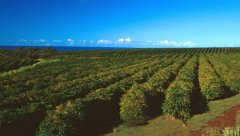
Most of the coffee producing areas in the world are located in the tropics between the Tropic of Cancer and the Tropic of Cancer, which we call the coffee belt and Coffee Belt or Coffee Zone in English. As a tropical cash crop, coffee trees grow in coffee belts with excellent climatic conditions, where the sun shines all the year round, is rich in calories and Rain Water, and the annual average temperature is above 20 ℃. But the high temperature
2015-01-19 Coffee planting located Tropic of Cancer occasional tropical regional global most -
Coffee bean producing place, fine coffee bean, global coffee producing country.
Nearly 70 countries around the world produce and export coffee beans, but the output and quality are uneven. According to the 2010 global coffee production ranking published by the International Coffee Organization (ICO), Brazil, Vietnam, Colombia, Indonesia, Ethiopia, India, Mexico, Guatemala, Honduras and Peru are the top 10 countries. Among the top ten producing countries, except
2015-01-19 Coffee beans place of production boutique global coffee producing countries nearly 70 -
High-quality coffee, coffee, common sense, production of coffee beans.
Coffee in the ancient Middle East, like the legend of 1001 nights, like a veiled girl with a thousand faces, can not only help get close to God, but also wash the spring of sadness. When it comes to coffee, we have to mention Turkish coffee in the Middle East, because no matter from the perspective of Islam or Christianity, the origin of coffee is in the remote and mysterious Middle East. In the thirteenth to fifteenth centuries, it grew.
2015-01-19 Boutique coffee common sense coffee beans production Middle East ancient countries like a thousand -
Roasting technology of coffee beans talk about roasting coffee beans at home
When it comes to coffee, people often think of instant coffee, freshly ground American coffee or a perfectly delicious bag of roasted coffee beans. While most people are stuck in the first three stages, some coffee lovers have moved on to the earlier steps of baking fresh coffee beans. Today, SciDev.Net invited a talented person who roasted coffee beans at home. According to him, coffee comes from fresh raw beans.
2015-01-19 Coffee beans roasting technology oneself at home speaking of coffee people think instant -
Variety introduction of boutique coffee beans Arabica coffee beans
Many consumers may now think that coffee made with 100% Arabica beans is better than coffee made with Arabica beans and Robusta beans, not just them, but even me. I used to think so. In fact, we are all wrong. There is no constant rule in the coffee industry that Arabica coffee beans are better than
2015-01-19 Boutique coffee beans varieties introduction rabbi now there may be many consumers -
Processing of Fruit of High-quality Coffee
Coffee is the fruit of a Rubiaceae plant growing about 6000 feet above sea level, distributed on the world's narrow subtropical axis; coffee trees grow green all the year round and can grow up to 20 feet tall, and are generally controlled at 8 to 10 feet for easy harvest. It takes three to five years for the coffee tree to bear fruit. First of all, it produces small white flowers that resemble jasmine in shape and size, and then wither and bear deep fruit.
2015-01-19 Boutique coffee common sense fruit processing growing at 000 feet above sea level -
Coffee tree common sense Coffee tree origin in Ethiopia
The coffee tree is native to Ethiopia in Africa. Coffee tree in botany, belongs to the Rubiaceae coffee subgenus evergreen tree, and generally known as coffee beans, in fact, coffee tree fruit seeds, only because of the shape like beans, so called coffee beans. Climate is the decisive factor for coffee cultivation. Coffee trees are only suitable for growing in the tropics or subtropics, so latitude 25 degrees north and south.
2015-01-19 coffee common sense origin Ethiopia Africa -
Knowledge of coffee trees about planting and picking coffee trees
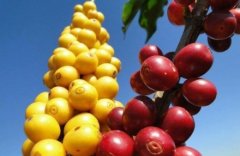
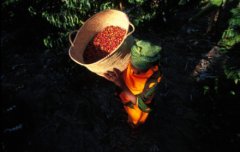
One of the characteristics of a coffee tree is that its fruit can bear fruit several times a year, and another is that flowers and fruits coexist at different stages of ripening. If the fruit is too ripe, the beans in it will rot. If the beans are not ripe, the beans will not ripen by themselves. So bean pickers often go through the same tree several times to find ripe fruit, but try their best.
2015-01-19 Coffee knowledge about planting picking coffee one of the characteristics that is its -
Basic knowledge of boutique coffee storage of coffee beans
Freshly roasted coffee beans release hundreds of chemicals, which takes a day or two to dissipate to achieve the best taste. Nowadays, many high-quality roasters pack coffee beans in sealed bags with one-way valves to release the gas and prevent coffee beans from being stored in destructive gases. This kind of packing helps to keep the coffee
2015-01-19 Boutique coffee basics common sense coffee beans storage new baking roasting -
Basic knowledge of fine coffee beans mixed art of coffee beans
There are more than 100 coffee producing areas in the world, and the coffee beans produced have their own characteristics. The purpose of mixing coffee beans is to balance the flavor of coffee and create an unparalleled delicacy. A single coffee bean generally lacks the complex flavor necessary to make delicious coffee. Many blends contain three to seven different types of beans. The master roaster knows the characteristics of each kind of coffee beans.
2015-01-19 Boutique coffee beans basics common sense mixing art the world there are more than 10 -
Roasting technology of boutique coffee beans coffee roasting knowledge
When high-quality coffee beans are picked, the most important step in making them gourmet coffee is roasting and mixing. A master baker must have the temperament of an artist and the rigor of a scientist. Only in this way can we ensure that the sugars and other carbohydrates in the coffee are carbonized during the baking process, thus producing the well-known coffee oil and producing high quality and consistent style.
2015-01-19 Boutique coffee beans roasting technology coffee knowledge high quality picking