
Coffee Knowledge
Latest articles, industry insights and brewing guides

How to Make Lilac Coffee: A Floral Coffee Cocktail Recipe
A step-by-step guide to making lilac coffee with hot coffee, violet liqueur, and whipped cream. Simple method, distinct floral flavor.
Five Classic Ways to Brew Coffee at Home
Learn how to make coffee using five traditional methods—each defined by brew style, grind size, water contact, and ideal temperature.
13 Classic European and Middle Eastern Hot Coffee Recipes
Explore 13 traditional hot coffee recipes from Europe and the Middle East, including Vienna, Arabic, and Greek styles, with exact ingredients and methods.
How to Use Drip Coffee Bags: Step-by-Step Guide
Learn how to brew with drip coffee bags properly, including water ratios, temperatures, and timing for the best flavor.
How to Use Coffee Drip Bags: A Step-by-Step Guide
Learn how to brew a clean cup with coffee drip bags, from setup to water temperature, using these simple steps anyone can follow.
How to Make Authentic Irish Coffee
Learn how to make traditional Irish coffee with whiskey, sugar, hot coffee, and cream using a step-by-step method with a flaming sugar stage.
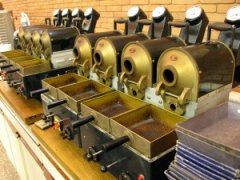
How to Roast Panamanian Coffee Beans Without Common Mistakes
Avoid over-roasted or flat Panamanian beans by hitting first crack densely, not pushing into second crack, and using a slow, even profile.
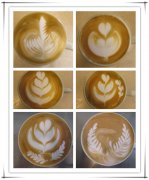
Latte Art Explained: How to Pour Coffee Flowers
Learn how to create latte art like three-leaf clovers with the right espresso, milk, and tools — including temperature and technique tips.
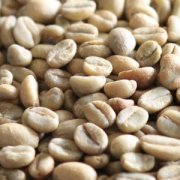
Ethiopia Nekisse: The Honey-Processed Peach Coffee
Discover the creamy, berry-packed Ethiopia Nekisse N2 L12 — a high-scoring 96-point natural with peach, passionfruit, and milk chocolate notes.
What Makes Specialty Coffee Different from Commercial Coffee
Specialty coffee emphasizes origin, farmer welfare, and traceability—unlike mass-market blends. Here’s how to tell them apart.
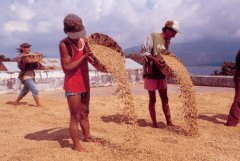
Natural Process Coffee: How Sun-Dried Beans Are Made
Learn how sun-dried (natural) coffee beans are processed, why they taste fruitier, and what makes this traditional method unique.

Clifton Mount Estate: The Rarest Blue Mountain Coffee
Clifton Mount Estate is Jamaica’s oldest single-farm Blue Mountain producer, offering Typica-grown beans with Rainforest Alliance certification at a premium price.
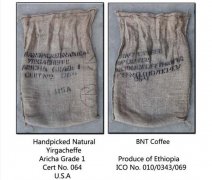
Yirgacheffe Aricha G1 Natural Process Coffee Explained
Learn what makes Yirgacheffe Aricha G1, a top Ethiopian natural coffee, stand out with its fruit-forward profile and high grading.
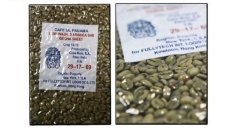
Panama’s Casa Ruiz Produces Award-Winning Geisha Sweet Coffee
Casa Ruiz’s Geisha Sweet took 7th place in the BOP, offering bright citrus, mango, and honey-like sweetness through a unique honey process.

Coffee knowledge introduction to Brazilian coffee
Today, Brazil is the world's largest coffee producer. About 25% of the world's coffee comes from Brazil, which affects the development of the world coffee industry. Brazilian coffee is mainly grown in Parana, Santos Jing, Sao Paulo, Minas Gerais and Bahia. Most of the farms in these areas are less than ten hectares. According to the 2000 record, 71% of the farms in Minas Gerais are less than
Rwanda Coffee: East Africa’s Clean, Sweet Specialty Bean
Rwanda grows high-altitude Arabica coffee with bright acidity, floral notes, and notable sweetness — a standout among African coffees.
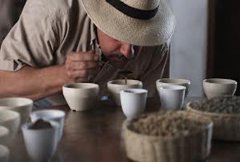
The Complete SCAA Cupping Protocol Explained
Learn how professional coffee tasters evaluate aroma, flavor, body and aftertaste using the standardized SCAA cupping method with exact ratios and steps.
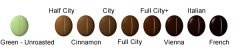
Coffee Roasting Basics: What Happens and Why It Matters
Learn how coffee roasting transforms green beans into flavorful coffee, the key roast levels, and why freshness matters after roasting.

Key Moments in Coffee History You Should Know
From Ethiopia’s discovery to the rise of specialty coffee, here are the pivotal events that shaped coffee as we know it.
What’s Really in Your Coffee? A Breakdown of Coffee’s Key Components
Learn what’s inside your cup: caffeine, tannins, fats, sugars, and minerals. Discover how each compound affects flavor, aroma, and health.