
Coffee Knowledge
Latest articles, industry insights and brewing guides
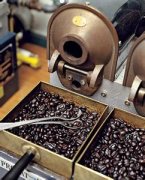
4 Types of Coffee Roasters Explained: Direct, Hot Air, and More
Learn the differences between direct-fire, hot-air, semi-hot-air, and electric coffee roasters — their pros, cons, and how they shape your cup.

How to Choose Fresh Coffee Beans by Packaging
Learn how to judge coffee bean freshness by packaging type, roast level, and visible oil. Avoid stale beans with these expert tips.
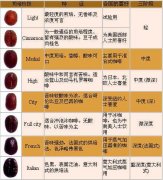
Coffee Roasting: Purpose, Methods and Levels Explained
Discover why we roast coffee, the three main methods, and how roast levels shape flavor—from light to dark. Key details for home and pro roasters.

What Is the COE Coffee Rating System?
Learn how the Cup of Excellence (COE) identifies top specialty coffees through blind cupping and global auctions, boosting grower profits and visibility.
How to Identify Specialty Coffee Beans and Defects Before Roasting
Learn how to spot high-quality green coffee beans and common defects like mold, insect damage, and underripe beans before roasting.

What Is Specialty Coffee and How Is It Defined
Learn what makes specialty coffee distinct, from bean quality to brewing methods and global standards.
How Coffee Origins Grade Their Green Beans
Learn how countries like Brazil, Central America and others classify green coffee beans by altitude, screen size and defect counts.

What Is Honey Process Coffee and How Is It Made
Learn how honey processed coffee develops its sweet, syrupy profile through partial fruit retention and sun drying—without water waste.
How to Identify Coffee Processing Methods by Visual and Taste Cues
Learn to distinguish washed, natural, honey, and anaerobic coffee processes by observing silver skin, roast color, and tasting profiles.
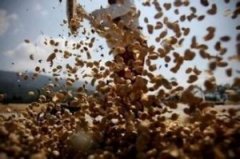
What Is the Pulped Natural Coffee Processing Method?
The pulped natural method, also called semi-washed, removes skins but leaves mucilage to dry—blending washed and natural traits. Learn how it works.
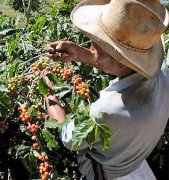
How Coffee Cherries Are Harvested: Hand-Picked vs Machine
Learn how hand-picking and machine harvesting affect coffee quality, cost, and flavor — with details on cherry maturity and processing outcomes.

Where Is Coffee Grown? The World’s Coffee Belt Explained
Coffee thrives within the 'Bean Belt' between the tropics. Discover the 70+ countries producing coffee and how global regions shape flavor profiles.
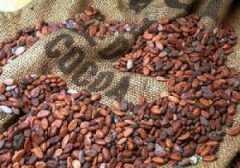
What Is Brazilian Pulped Natural Coffee Processing?
Brazil developed pulped natural processing to improve coffee quality. Most specialty beans there now use this method, balancing sweetness and consistency.
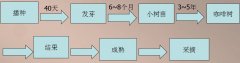
How Coffee Grows: From Harvest to Cup
Learn how coffee cherries are picked—by hand or machine—and how harvest methods affect quality, yield, and flavor in your cup.
Where Coffee Grows: Ideal Conditions Explained
Learn the essential climate, altitude, and soil factors that determine where high-quality coffee can thrive, from Ethiopia to your cup.
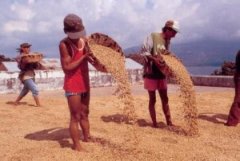
What Is Natural Process Coffee and How Does It Work?
Natural (sun-dried) coffee processing dries whole coffee cherries in the sun, creating bold, fruity beans. Learn how it works, its risks, and why it’s still popular.
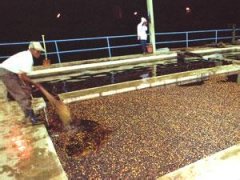
What Is Coffee’s Washed Process? Full Guide
The washed coffee process removes fruit before drying. Learn its 7 steps, flavor impact, and why it costs more.
Major Arabica Coffee Varieties Explained
Learn the key Arabica coffee varieties like Typica, Bourbon, and Catuai, including their origins, yields, and ideal growing altitudes.

What Is a Latte and How to Make One Like an Italian
A latte is a shot of espresso with steamed milk and foam. Learn how Italians make it, what temps to use, and four popular variations.
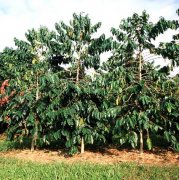
The Different Types of Coffee Trees and Their Beans
Learn which coffee tree species produce the beans we drink—mostly just two—and how their traits shape taste, farming, and processing.