
Coffee Knowledge
Latest articles, industry insights and brewing guides

How to Make Classic Fancy Coffee Drinks at Home
Learn how to prepare 5 classic fancy coffee drinks like cappuccino, latte, mocha, caramel macchiato, and Irish coffee with exact ingredients and steps.
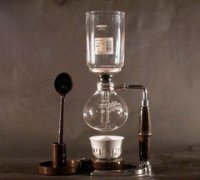
How to Brew Coffee: Traditional and Modern Methods Compared
Explore 8 classic ways to make coffee, from siphon and pour-over to moka pot and drip. Includes grind sizes, brew times, and best practices.
How to Taste and Describe Specialty Coffee Flavors
Learn how to evaluate coffee through aroma, taste, and aftertaste—covering fragrance, aroma, nose, and aftertaste with key sensory terms.

Where Is Coffee Grown? The World’s Major Coffee Origins
Coffee grows between 25°N and 30°S latitude, mainly in tropical regions of Africa, Latin America, Asia, and the Caribbean. Discover the top origins.

Coffee Latte Art: Tools and Techniques Explained
Find out what tools you really need to make latte art at home, from espresso machines to milk pitchers — and what works as alternatives.

Common Types of Coffee and Their Flavor Profiles
Explore the major coffee styles—from black coffee to Vietnamese iced coffee—along with global origin flavors like Jamaican Blue Mountain and Ethiopian Mandheling.
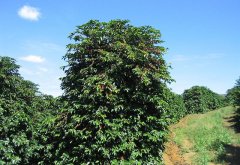
From Coffee Tree to Cup: The Journey of Coffee Beans
Learn how coffee goes from tree to roasted bean, covering cultivation, harvesting, processing, and roasting stages in detail.

Where Did Coffee Originate? The True Story Behind the Bean
Coffee’s journey began in Ethiopia over a thousand years ago. Learn how it spread from Africa to Arabia, then Europe, and eventually the world.
How to Select and Hand-Pick Green Coffee Beans
Learn how to assess and hand-select green coffee beans, including key defects to avoid and visual checks for quality.
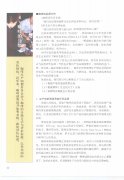
How Coffee Beans Are Graded and Classified
Coffee grading determines quality based on bean size, defects, altitude, and processing. Learn how origin and standards shape your cup.
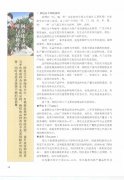
Arabica Coffee Varieties and Their Cultivation Origins
Learn about Arabica coffee varieties, their origins, flavor profiles, and how breeding has shaped modern specialty coffee offerings.
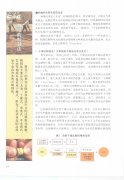
How Coffee Beans Are Processed: A Guide to Coffee Processing Methods
Learn the 4 main coffee processing methods—washed, natural, honey, and semi-washed—and how they affect flavor, body, and acidity.
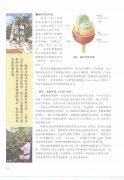
How Coffee Beans Are Grown: From Seed to Harvest
Learn the full coffee cultivation process, from planting to harvest, including growth timelines, farming methods, and key factors affecting bean quality.
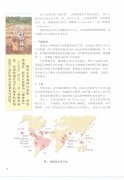
What Conditions Do Coffee Plants Need to Grow?
Coffee grows best between 1,000–2,000 meters altitude with consistent temps around 18–22°C. Learn the key factors behind quality coffee cultivation.
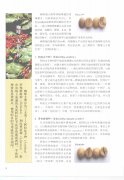
The Three Original Coffee Species Explained
Learn the differences between Arabica, Robusta, and Liberica — the three original coffee species — including flavor, growing conditions, and roast profiles.

How to Practice Animal Latte Art Step by Step
Learn how to practice animal latte art with pro tips on milk texture, pouring height, and flow control for beginners aiming for clean cow, heart, and tulip designs.

How to Pour Latte Art: Leaves and Rosettes Step-by-Step
Learn how to pour latte art leaves and rosettes using thin milk foam. FrontStreet Coffee shares key techniques, milk texture, and pouring angles.
How to Practice Latte Art by Pouring Water
Learn latte art stability and pouring control by practicing with water instead of milk. Start with basic pours and progress to movement without bubbles.
Common Misconceptions About Latte Art
Latte art issues often stem from milk texture and pouring technique. Here’s what really causes poor foam, bad fusion, and off-flavors.

Three Main Ways to Practice Latte Art
Learn the three primary latte art techniques—free pour, etching, and stencil—and why free pour is the hardest but most rewarding.