
Coffee Knowledge
Latest articles, industry insights and brewing guides

Why Colombian Coffee Tastes So Refreshing
Colombian coffee is globally praised for its smooth, balanced profile. Learn why its unique geography, processing, and regional diversity create such a refined cup.

Arabica, Robusta, and Liberica: What Makes Each Coffee Species Unique?
Learn how Arabica, Robusta, and Liberica coffee species differ in origin, growing conditions, flavor, and global production share.

Arabica vs Robusta Coffee: What’s the Difference?
Arabica and Robusta are the two most common coffee species, differing in growing conditions, flavor, and price. Here’s how to tell them apart.
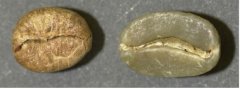
How to Identify Robusta Coffee Beans by Sight and Taste
Learn to spot Robusta coffee beans by size, shape, center cut, and flavor. Find out key differences between Robusta and Arabica.

How Water Temperature Affects Coffee Extraction, Especially for Robusta Espresso
Learn how adjusting water temperature impacts coffee flavor, from acidity to bitterness—especially for espresso. Key ranges for different brew methods inside.
What Is Robusta Coffee? The World’s Most Misunderstood Bean
Robusta makes up 25–35% of global coffee production. Learn why it’s used in instant coffee, what gives it its strong flavor, and where it grows best.

How Coffee Roasting Varies by City Around the World
Learn how coffee roasting styles differ globally—from Tokyo’s medium-dark preferences to Vienna’s deep roasts—and what shapes each city’s flavor profile.

4 Benefits of Roasting Your Own Coffee Beans
Roasting your own coffee beans boosts freshness, flavor, saves money, and deepens your coffee knowledge. Here’s why home roasting matters.

Where Is the Best Place to Grow Coffee Trees?
Coffee thrives between 25°N and 25°S, needing 15–25°C, 1500–2000mm rain, volcanic soil, and altitudes of 500–2000m for peak quality.

What Is Espresso Crema and How Does It Affect Flavor?
Espresso crema isn't just aesthetic—it affects mouthfeel and stability. Learn what creates crema, what kills it, and why deeper roasts usually produce more.

How to Judge Espresso Crema Quality by Thickness
Find out how thick your espresso’s crema should be — and why 0.5 ounces lasting at least 2 minutes signals high-quality extraction.

What Espresso Crema Really Tells You About Your Shot
Crema isn’t just foam—it’s a key indicator of freshness, roast level, and espresso quality. Here’s what its color, texture, and persistence reveal.

Does Your Coffee Have Crema? And Does It Matter?
Not all brewing methods produce visible crema. Here’s what causes it, why some methods do and others don’t, and what it really means for flavor.

What Espresso Crema Really Tells You About Your Coffee
Learn what espresso crema reveals about freshness, extraction, and flavor — including color, stability, and the role of Robusta.
What Really Creates Crema in Espresso
Crema isn’t just oil or foam—it’s a complex layer formed during espresso extraction. Here’s what really forms it and why it matters.
Espresso Crema and Flow Rate Explained
Learn why espresso crema behaves the way it does and how flow rate issues stem from uneven water flow and volatile aromatics.

How to Pull a Perfect Espresso with Tiger Stripe Crema
Learn what crema color, texture, and patterns reveal about your espresso—freshness, roast level, grind, and extraction—all in one shot.

How to Pull a Proper Espresso: Step-by-Step Guide
Learn the essential steps to pull a balanced espresso shot: grind, dose, tamp, and extract 20–30ml in 18–25 seconds for ideal flavor.

What Makes a Good Espresso? Understanding Extraction Basics
Learn why a 30cc espresso extracted in 25 seconds at nine bars matters — and why your shot might taste off.

Understanding Espresso Extraction Rate Basics
Learn why espresso extraction rate matters more than concentration, and how to adjust grind and dose for balanced shots.