
Coffee Knowledge
Latest articles, industry insights and brewing guides

How to Diagnose Espresso Extraction Problems Part 2
Learn which espresso variables truly matter—like grind consistency, distribution, and dose precision—and how to adjust them for better shots.
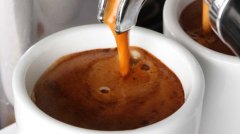
What Tiger Stripe Crema on Espresso Really Means
Tiger stripe crema isn’t a sign of quality espresso. It’s usually caused by over-extraction due to high temperature, fine grind, or uneven tamping.

How to Diagnose Common Espresso Extraction Issues
Learn to spot poor espresso extraction by observing color, flow, and crema. Fix channeling, under- or over-extraction with grind, dose, and technique.
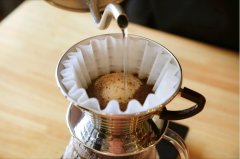
Espresso vs Latte vs Cappuccino: What’s the Difference?
Espresso is the strong base shot; latte is milk-heavy, cappuccino balanced. All start with espresso but differ in milk ratios and texture.

Why a Good Espresso Shows Visible Tiger Stripes
A great espresso features visible crema—also called 'tiger stripes'—a golden-brown foam rich in oils, proteins, and sugars. Here’s what creates it.

How to Use a Clever Dripper Method with a Drip Coffee Maker
Make stronger, better-tasting coffee with any auto-drip machine using the clever dripper technique—no expensive gear needed.

How to Make Pour-Over Coffee Without a Machine
Learn how to brew great pour-over coffee at home using simple tools and a step-by-step method with exact water temps and timings.

Why Nalando Coffee Tastes Rich Without Acidity
This Taiwanese drip coffee is made from high-maturity Arabica beans with pronounced caramel sweetness and no sourness or bitterness.

15 Classic Flavored Coffees from Around the World
Explore 15 traditional flavored coffee recipes from Ireland, Austria, Mexico, and beyond — each with exact measurements, origins, and serving styles.

Essential Guide to Classic Italian and International Espresso Drinks
Learn the origins, ratios, and styles of classic Italian and global espresso-based drinks like cappuccino, latte, and Irish coffee.

The True Story Behind the Name 'Cappuccino'
Learn how the cappuccino got its name from 16th-century monks and how the drink evolved into today’s iconic coffee.

Why You Shouldn’t Drink Coffee After Alcohol
Drinking coffee after alcohol worsens its effects, raising heart risk. Limit post-drink coffee to one cup if you drank lightly.

Coffee Roasting Basics: What Happens in a Roast?
Learn how roasting develops coffee flavors, what first and second cracks mean, and why home roasting gives you control over freshness and taste.

How Coffee Roasting Works: From Green Bean to Roast
Learn how heat transforms green coffee beans through drying, first and second crack, creating over 800 flavor compounds in the process.

How to Know When to Stop Coffee Roasting
Learn the key signs to stop roasting coffee: color, time, temperature, and smoke. Timing is critical to hit your target roast level.
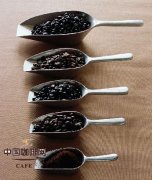
How to Control Coffee Roast Time and Temperature Curves
Track time and temp every 30–60 seconds during roast to shape flavor. Use cooling methods and rest beans properly for best results.

Arabica vs Robusta Coffee Beans: Key Differences
Learn the real differences between Arabica and Robusta coffee beans, from growing conditions to flavor, price, and caffeine content.

Why Arabica Coffee Beans Are Considered Premium
Arabica beans are prized for their complex flavors and high growing standards. Learn why they dominate specialty coffee despite lower yields.
What Is Arabica Coffee? The Origins and Types
Arabica coffee makes up 65–80% of global production. Learn where it grows, its flavor traits, and how it differs from Robusta with key stats.

How Natural, Washed and Honey Coffee Processing Works
Learn how natural, washed and honey processing methods affect coffee flavor, with exact steps and regional examples from Ethiopia to Brazil.