
Coffee Knowledge
Latest articles, industry insights and brewing guides

Ideal Growing Conditions for Coffee Trees Explained
Find out the exact climate, altitude, and soil conditions required to grow high-quality coffee trees, and why temperature and rainfall matter so much.
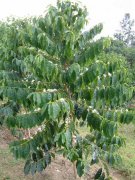
From Coffee Tree to Harvest: A Step-by-Step Visual Guide
See how coffee cherries ripen, are picked, processed, and dried—from tree to green bean—in this visual walkthrough of the coffee harvest process.

How to Prevent and Treat Coffee Leaf Rust and Anthracnose
Learn how to identify and manage coffee leaf rust and anthracnose, two major diseases affecting smallholder coffee farms, with fungicide timing and pruning tips.

How Coffee Trees Grow and Are Harvested: Key Farming Facts
Learn how coffee trees grow, flower, and produce fruit—and the precise methods used to harvest high-quality beans worldwide.
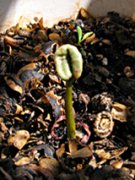
How Long Do Coffee Seeds Take to Sprout? 60-Day Update
After 60 days of careful incubation, coffee seeds show the first signs of life with emerging radicles. Ideal germination occurs between 55–60 days under proper warmth and moisture.

How Coffee Grows: From Tree to Bean Basics
Coffee grows on trees at high altitudes, takes years to fruit, and comes in three main species. Learn how it’s picked, processed, and graded before roasting.

From Coffee Bean to Tree: A Visual Growth Timeline
See how a coffee seed sprouts into a young plant—track the early stages from bud to five-centimeter shoot with real photos.

Where Coffee Grows: Global Distribution & Coffee Plant Habits
Coffee grows within 25° of the equator. Learn the regions, altitudes, and climate conditions where Arabica, Robusta, and Liberica thrive.

Top Coffee Origins Around the World Ranked by Flavor
Discover the best coffee-growing regions globally, from China’s Yunnan to Ethiopia and Colombia, with key taste profiles and roast recommendations.

Scientists Discover Genes That Determine Coffee Quality
Research reveals that SUS1 and SUS2 genes control sucrose levels in coffee beans, directly influencing flavor and aroma development during roasting.

How Coffee Harvesting and Processing Affect Bean Quality
Learn the optimal harvest timing and processing methods—dry vs. wet—for small, medium, and large coffee beans to preserve flavor and quality.

How to Control Coffee Pests and Diseases in Plantations
Learn how to identify and manage major coffee pests like coffee borer beetles and diseases such as rust and leaf spot with proven methods.

How to Grow Coffee: From Seedlings to Plantations
Learn how to propagate coffee seedlings via seeds or cuttings, build a coffee garden, and manage soil, shade, and pruning for healthy trees.
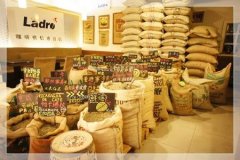
Arabica vs Liberica: Small and Large Coffee Varieties Explained
Explore the key differences between small-seed (Arabica) and large-seed (Liberica) coffee varieties, including yield, flavor, disease resistance, and plant traits.

How Coffee Trees Grow: Biology & Ideal Conditions
Learn the biology of coffee trees—from root systems to flowering—and the environmental conditions that drive healthy growth and fruit production.
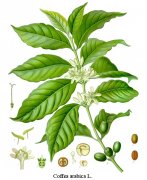
How to Grow Coffee: A Tropical Crop That’s Easier Than You Think
Coffee is a low-maintenance tropical crop that yields profits within a year and thrives for 20–30 years. Learn why it's a smart, sustainable plantation choice.

When Are Coffee Beans Harvested? Arabica Peak Season
Most Arabica coffee cherries ripen between June and August, while Robusta matures later in September–October. Harvest timing varies by altitude and region.

How Coffee Originated in Ethiopia and Grew in Colombia
Discover how coffee started in Ethiopia’s Kaffa region and was introduced to Colombia in 1808, along with the country’s unique coffee cultivation practices.

How Coffee Is Grown: From Tree to Cup
Learn how coffee trees grow, why flavor varies by region, and what makes arabica and robusta beans different in cultivation and taste.

Hawai‘i’s Big Island First CBB Outbreak in Ka‘u Coffee Zone
The coffee berry borer (CBB) was detected in May 2011 in Pahala, Ka‘u District—Hawai‘i’s main coffee-growing region—marking a serious new threat to local farms.