
Coffee Knowledge
Latest articles, industry insights and brewing guides

Why Home Roasting Lets You Brew Coffee Your Way
Home roasting lets you customize roast profiles to bring out unique flavors in your favorite beans while saving on costs. Learn how to start.

Coffee Roasting Basics: Dehydration, Ramp, Smoke, and Dwell Techniques
Learn essential home and pro coffee roasting steps: when to start dehydration, ideal ramp rates, managing smoke, and when to use the dwell (slide) phase.

What Is an Agtron and How Is It Used in Coffee Roasting?
Agtron measures coffee roast level from 100 (lightest) to 25 (darkest). Learn how this infrared tool determines color and flavor development in roasted beans.

How to Identify Coffee Roast Levels Using SCAA Charts
Learn how the SCAA uses Agtron color charts to classify roast levels, from light to dark, with eight standardized shades.

How Different Cities Around the World Roast Their Coffee
Explore global city preferences for coffee roast levels—from Tokyo’s medium-dark to Vienna’s dark roasts—and why bean origin matters.

The 3 Stages of Coffee Roasting and Their Key Features
Learn how coffee is roasted through three critical stages—drying, first crack, and cooling—and how each affects flavor and roast level.

What Happens During Coffee Roasting and Why It Matters
Coffee roasting transforms green beans through heat, unlocking aroma, acidity, and flavor. Learn how time, temperature, and technique shape your cup.

Blend First or Roast First: Which Coffee Method Works Better?
Roast then blend is simplest for fixed recipes. But if testing blends or ratios, roast individual beans first for faster iteration.

Key Coffee Roasting Tips Every Home Roaster Should Know
Learn the essential factors in home coffee roasting — from heat control to degassing — with precise temperature ranges and common mistakes to avoid.

How to Roast Coffee with a Handheld Filter
Learn to roast 100g of green coffee beans manually with a handheld sieve, from first crack to second crack, in under 15 minutes.

Gas, Charcoal, and Infrared Coffee Roasting Methods Compared
Explore how gas, charcoal, and infrared heat sources affect coffee roasting temperatures, profiles, and equipment needs for specialty results.

How Coffee Roast Level Shapes Flavor
Roasting determines 80% of coffee’s flavor—learn how heat unlocks acids, sugars, and aromas across light, medium, and dark roasts.

Worldwide Coffee Roasting Preferences by Region
Discover how coffee roasting styles differ globally — from Tokyo’s medium-dark preference to Vienna’s deep roasts.

Beginner Coffee Roasting: Try DIY Frypan-Style Roasting
A low-cost way to start roasting coffee at home using a wire mesh basket and foil—great for beginners with minimal tools.

Three Key Tips for Beginner Coffee Roasters
New to home roasting? Start with these three essential steps: define your goals, match your equipment, and select green beans wisely.

How to Roast 20 Coffee Beans with the ICOFFEE N901CR Home Roaster
Master consistent home roasting with the ICOFFEE N901CR—learn time, temp, and technique for 20 beans, from Yirgacheffe to Kenyan AA.

How to Control Coffee Roast Degree: Practical Tips
Learn how to adjust roast levels using time, sensory cues, and tools like sensors—methods that work for any home or pro roaster.
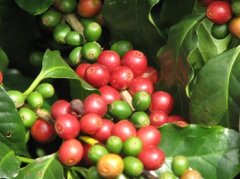
Yunnan Arabica Coffee Primary Processing Guidelines
Learn the wet and dry methods for processing Yunnan Arabica coffee, including water standards, fermentation times, drying targets, and post-harvest steps.
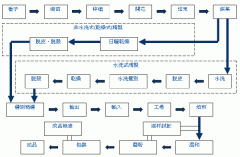
How Coffee Beans Are Made: A Step-by-Step Guide
Learn how coffee beans are grown, processed, and roasted — from farm to cup. Discover the full production process in clear steps.
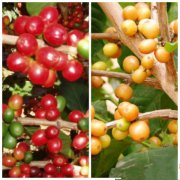
How Coffee Trees Flower and Produce Harvestable Fruit
Coffee trees flower 3–4 years after planting, typically in February or March. Their red berries ripen over months, needing careful hand-picking for quality.