
Coffee Knowledge
Latest articles, industry insights and brewing guides
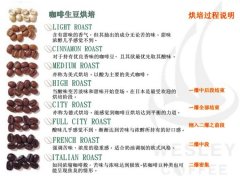
Deep Roast vs Light Roast Coffee: What’s the Difference?
Deep roasts emerge after the second crack; light to medium-dark roasts occur between first and second crack. Color darkens with deeper roast levels.
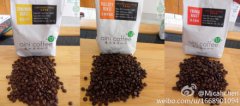
The Three Main Coffee Roast Levels Explained
Learn how cinnamon, city, and French roasts differ in flavor, acidity, and roast level, and why choosing the right roast matters.

Roasting Notes on Colombia HEIGHT PREMIUM ESMERALDA Green Emerald Coffee
Colombia HEIGHT PREMIUM ESMERALDA, roasted to second crack, yields fruity brightness after 24 hours. Here's what a 2011 FrontStreet test revealed.

How to Roast Ninety-Plus Ethiopia Tchembe Natural
FrontStreet Coffee explains the roast profile for Ninety-Plus Ethiopia Tchembe Natural, highlighting key phases and development targets.

Coffee Roast Levels Explained: From Light to French
Learn how coffee roast levels—from light to dark—affect flavor, acidity, and aroma. Discover what makes each degree unique.
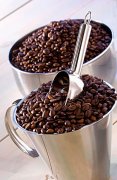
Mastering Coffee Roast: Dehydration, Ramp, Smoke, and Development
Learn when to start dehydration, control ramp speed, manage smoke, and use the right development phase for optimal specialty coffee roasts.
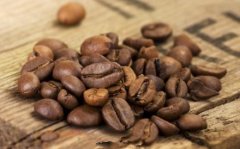
How Coffee Roasting Unlocks the World’s Richest Aromas
Discover how proper roasting transforms raw coffee beans into intensely aromatic brews, balancing sweetness, acidity, and body through controlled heat.

How Heat Transfer Works in Coffee Roasting: Conduction, Convection, Radiation
Understand how conduction, convection, and radiation shape your roast—key heat transfer methods every roaster must master for consistent results.

How Coffee Roast Levels Are Defined and What They Taste Like
Learn how Agtron numbers define roast levels, how flavor changes with roast depth, and why light vs dark roast sparks debate.

Home Coffee Roasting: Key Tips for Using a Hand Pan
Wondering how to roast coffee with a hand pan without uneven results? Focus on evenness, avoid blotchy beans, and start with basic consistency.
Traditional American Coffee Roast Level Names Explained
Explore classic American roast names like Cinnamon, City, and French, with their visual cues and Agtron numbers for precise matching.

How Are Coffee Beans Picked in Laos? Step-by-Step Process
Find out how Lao coffee farmers hand-pick ripe Arabica cherries—only bright red fruit is selected, with green and overripe berries discarded. Here’s the full harvest process.
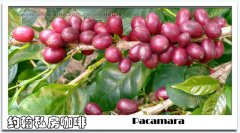
What Is Pacamara Coffee? El Salvador’s Hybrid Bean Explained
Pacamara coffee is a large-bean hybrid of Pacas and Maragogype, known for bold cup profiles and origins likely in El Salvador.

What Is Kaapi Royal Washed Robusta?
Kaapi Royal is a rare, high-end washed Indian Robusta with tea-like sweetness and a creamy body, often more expensive than many Arabicas.

What Is a Traditional Starbucks Cappuccino?
A classic cappuccino features a 1:1:1 ratio of espresso, steamed milk, and thick foam. In Italy, it’s mainly a breakfast drink with bold espresso flavor.

Brazilian Bourbon Santos Coffee: Flavor & Origins
Explore the mild, low-acid profile of Brazilian Bourbon Santos coffee, grown from historic Bourbon trees and exported via Santos port.

North Sumatra A.P. Robusta Grade 3 Coffee Beans
Learn about Grade 3 A.P. Robusta beans from North Sumatra, known for strength and resilience but with intense bitterness and low acidity.

The Two Most Widely Grown Coffee Varieties
Arabica and Robusta make up nearly all global coffee production—here’s how they differ in flavor, growing conditions, and price.

What Is the Coffee Belt? Key Growing Zones Explained
The world’s best coffee grows within the 'Coffee Belt'—a tropical band near the equator. Here’s where, how, and why top coffee regions thrive.

How to Drink Coffee Properly: A Specialist’s Guide
Learn the proper way to hold your cup, add sugar, stir, and pair coffee with food—plus how to order your ideal custom cup.