
Coffee Knowledge
Latest articles, industry insights and brewing guides

When Is Coffee Harvested? Global Regional Picking Seasons
Coffee harvesting varies by country and region. Learn when major origins like Colombia, Kenya, and Ethiopia pick ripe coffee cherries.
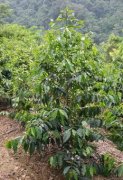
How Coffee Beans Grow: From Flower to Harvest
Learn how coffee beans develop from white flowers to ripe red cherries in 6–7 months, including details on peaberries and harvest timing.

How Many Types of Coffee Plants Are Grown for Coffee?
Only four coffee species are commercially grown for global consumption—here’s what sets them apart.

How Long Do Coffee Trees Take to Bear Fruit?
Coffee trees typically take 3–5 years to yield their first fruit. They hit peak production around years 15–20, with best yields between years 6–10.

What Defines Specialty Coffee Beans and Coffee
Learn the 6 key criteria for specialty coffee beans and what makes specialty coffee truly high quality — from origin to processing.

How to Store Coffee Beans for Maximum Freshness
Keep your coffee fresh longer by storing it right: avoid the fridge, seal tightly, and understand how roast level affects shelf life.

10 Key Factors When Selecting Green Coffee Beans
Learn the 10 essential visual, tactile, and olfactory checks to evaluate green coffee quality before roasting, from uniformity to moisture signs.

What Is a Barista? The True Definition Behind the Title
From 'espresso puller' to coffee sommelier, learn how the role of a barista evolved since the 1990s — and what it means today.

How Laos Coffee Farming Evolved in 20 Years
Laos coffee production grew faster in the last 20 years than the previous 80. Discover its colonial roots, Robusta boom, and modern Arabica challenges.

What Makes a True Cappuccino at Starbucks?
A classic cappuccino has less milk than a latte, more espresso flavor, and a velvety microfoam cap. Here’s how it’s built the right way.

Essential Espresso & Cafe English Terms You Need to Know
Learn key English phrases for ordering espresso drinks in cafes, including cappuccino, latte, americano, and common Starbucks sizes.

How to Find Your Favorite Coffee in Three Roast Steps
Learn how light, medium, and dark roasts shape coffee flavor—and follow three simple steps to find your ideal roast profile.

Common Coffee Drinking Mistakes and How to Avoid Them
Avoid these 4 common coffee mistakes: drinking it too slowly, using a spoon for foam, leaving spoons in cups, and over-sweetening single origins.

How to Grind Coffee for Different Brewing Methods
Learn the ideal grind size for espresso, pour-over, French press and more. Adjust your grinder based on brew time to avoid over- or under-extraction.

How to Make Non-Bitter Blended Coffee with Eggs and Peanuts
A tested Chinese formula blends roasted coffee with eggs, peanuts, sugar, and milk to reduce bitterness and enhance flavor. Here’s the exact recipe.

Tanzania Ruvuma AAA Roast Profile & Tasting Notes
A FrontStreet roast log on Tanzania Ruvuma AAA: stopped at first crack, yielded bright fruit, sweetness, and low-key floral aromas.

Roasting Rwanda GATARE Washed Station Coffee Beans
A detailed roast log for Rwanda GATARE Washed Station beans: roasted just after first crack, targeting high-elevation hardness.

Roasting Congo Kivu Lake Peaberry Coffee Beans
A roasting log of Congo Kivu Lake Peaberry PB beans reveals issues with defect rates and off-flavors during second crack roasting.
When Should You Stop Roasting Coffee Beans?
Roasters decide to end a roast based on color, aroma, and time—typically after first or second crack. Here’s how the process works.

Types of Coffee Roasters and Roast Levels Explained
Learn the 3 main types of coffee roasters and 8 standard roast levels, with key temps, weights lost, and flavor development explained.