
Coffee Bean
Latest articles, industry insights and brewing guides
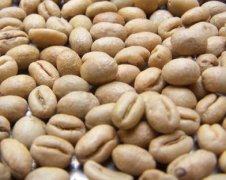
Where Did Coffee Bean 'Male and Female' Terms Really Come From?
The idea of 'male' and 'female' coffee beans started in Indonesia. Learn why 'peaberry' beans—called 'male'—are special, and if they really taste better.

How to Inspect Coffee Beans: The First Step to Quality
Learn how to judge coffee bean freshness and quality by observing the packaging, shape, color, and surface oils—key steps before buying.
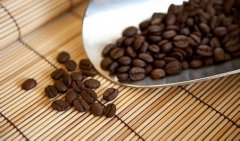
How to Smell Fresh Coffee Beans Before Buying
Smelling the aroma through the valve can reveal a coffee’s freshness—here’s what strong, fading, or off smells really mean.

How to Ask the Right Questions When Buying Coffee Beans
Learn how to ask smart questions to find the best coffee beans for your taste and brewing setup, from origin to roast level.
How to Assess Coffee Bean Freshness by Cutting and Chewing
Learn how to judge coffee bean freshness and roast quality by cutting, squeezing, and chewing them—key steps to verify roast level and bean condition.
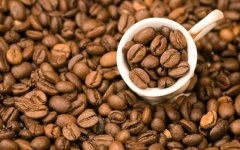
Why Brazil Produces the World’s Smoothest Coffee
Brazil grows the world’s most widely consumed coffee thanks to its smooth, sweet profile and low acidity. Here’s how it became the global leader.
What Makes Jamaica Blue Mountain Coffee So Special?
Learn why Jamaica Blue Mountain coffee is rare, expensive, and sought after — from its limited production to Japanese demand.

Kopi Luwak: The World’s Most Expensive Coffee Bean
Kopi Luwak, or civet coffee, sells for nearly $1,000 per kilogram—far more than Jamaica Blue Mountain. Here’s why it costs so much.
What Kopi Luwak Coffee Actually Tastes Like
A first-hand taste review of Indonesian civet coffee reveals its smooth, low-acid profile, deep roast, and subtle aftertaste.

How to Tell Real Kopi Luwak from Fake at the Green Bean Stage
Learn how to identify genuine Kopi Luwak before roasting—by examining the inner fruit skin and silver skin color of raw beans.

This Coffee Costs More Than Kopi Luwak
A rare Indonesian coffee, known as 'cat vomit coffee,' costs around $1,200 per kg—$200 more than kopi luwak and just 10 kg are made yearly.

Bali Single-Origin Robusta Beans: High-Elevation Specialty
These rare Bali-grown Robusta beans are selectively picked at 500m altitude, with only 1% making the cut. Bold, complex, and surprisingly refined.
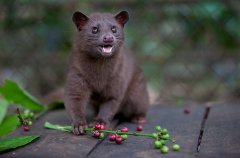
What Is Kopi Luwak? The World’s Most Expensive Coffee Explained
Kopi Luwak, or civet coffee, is made from beans eaten and excreted by the Asian palm civet. Learn how it’s produced, why it costs over $227 per pound, and what it really tastes like.
What Is Kopi Luwak? The World’s Most Expensive Coffee Explained
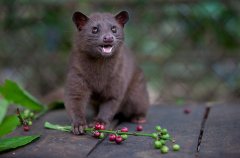
Kopi Luwak, or civet coffee, is made from beans eaten and excreted by civets. Learn how it’s produced, why it costs over $227 per pound, and what it tastes like.

What Makes a Coffee Bean 'Specialty'?
Learn what defines a specialty coffee bean and coffee—from origin to processing to flavor—based on industry standards and real-world growing conditions.
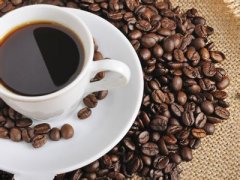
How to Properly Store Coffee Beans for Freshness
Learn the best storage methods to keep your coffee beans fresh longer, including freezing tips, packaging types, and shelf life facts.
Santo Domingo Coffee from the Dominican Republic
Santo Domingo and Bani coffees are known for their bright acidity, clean flavor, and balanced body—hallmarks of high-quality Dominican beans.

Papua New Guinea Coffee: Moderate Acidity with Fruity Sweetness
Papua New Guinea produces high-quality washed Arabica beans with balanced acidity, full body, and fruity sweetness, ideal for specialty coffee blends.

Australian Coffee that makes people calm and frustrated
Tea drinks from Asia have become more and more popular in recent years. Australia is the most coffee-loving country in the world, and Australian coffee is being respected at an unprecedented rate. Australian coffee has a moderate sour taste and a slightly bitter taste. Few people know that coffee is produced in Australia, but the coffee produced in Australia is actually of high quality.
Peruvian Organic Coffee: A Rising Star with Rural Flair
Discover why Peruvian organic coffee is gaining global recognition for its balanced flavor, moderate acidity, and distinct rural character.