
Coffee Bean
Latest articles, industry insights and brewing guides
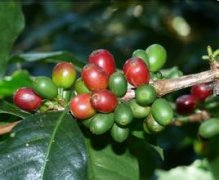
Coffee Bean Basics: Everything About Specialty Coffee Origins
Learn the origins, types, processing methods, and global trade of coffee beans—key facts every specialty coffee enthusiast should know.

What Are Coffee Beans? Size, Color and Origin Explained
Discover the key traits of specialty coffee beans—color, shape, origin altitude, processing, and roast impact—in this essential coffee bean primer.

How to Assess Freshness by Coffee Bean Smell and Moisture
Learn how moisture levels and scent indicate the freshness of green coffee beans, and what to look for before roasting.
Arabica vs Robusta Coffee Beans Compared
Arabica and Robusta differ in origin, flavor, caffeine, price, and growing altitude. Discover which bean suits your taste.
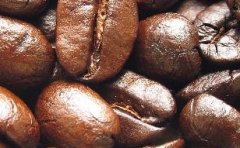
What Is Yunnan Small Bean Coffee — Bourbon AA?
Yunnan small bean Bourbon AA grows at high altitudes with cool nights, offering sweet, fruity, and balanced flavor. Best roasted Full City for espresso or filter.
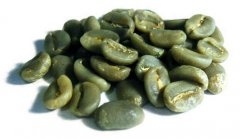
What Makes Hawaiian Kona Coffee So Special?
Discover why Hawaiian Kona coffee is among the world’s finest, from its volcanic soil to ideal elevation and unique processing.
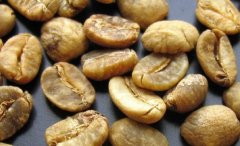
What Is Indonesian Aged Mandheling Coffee?
Aged Mandheling is a low-acid, syrupy Sumatran coffee aged in origin. Learn its origins, flavor, and why it’s compared to coffee’s ‘Pu-erh tea’.
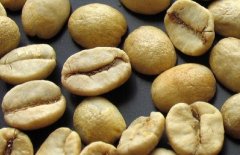
What Is Brazilian Santos Coffee? Key Facts
Brazil’s Santos coffee makes up 30–35% of global supply but lacks 'specialty' status. Here’s why most Brazilian beans are for blends, not single origin.
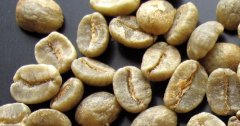
Colombian Coffee Beans: What Makes Them Special?
Colombia is the world’s second-largest producer of high-quality washed Arabica, known for balanced, sweet, and aromatic beans from regions like Huila and Medellin.
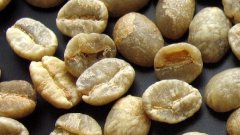
What Makes Kenyan Coffee Beans So Special?
Kenyan AA coffee beans are prized for their vibrant acidity and rich fruit flavors, grown at high altitudes and processed with precision.
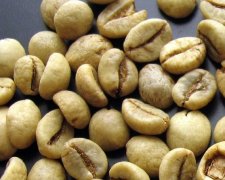
Indonesia Java Robusta Coffee Beans Explained
Learn why Java Robusta beans taste bold and earthy, how they differ from nearby Arabica, and why deep roasting brings out their signature flavor.
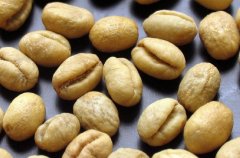
Tanzanian Coffee Beans: Flavor, Origin & Roast Guide
Explore Tanzanian coffee beans from Kilimanjaro and Mbeya, their flavor profile, washing process, and ideal roast level for bright acidity and fruity sweetness.
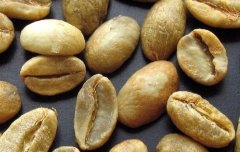
What Is Ethiopian Mocha Coffee? Key Facts About This Iconic Bean
Learn why Ethiopian Mocha is famed for its wine-like acidity and rich aroma. Discover its origins, processing types, and flavor notes from the birthplace of Arabica.

Jamaican Coffee Beans: What Makes Them Special?
Learn why Jamaica’s coffee, especially Blue Mountain, is rare, expensive, and beloved. Discover its regions, flavor profiles, and roast advice.

What Makes Brazilian Santos Coffee Beans So Smooth?
Brazilian Santos coffee is known for its smooth mouthfeel, medium body, and nutty finish. Learn why it’s a staple in blends and a great budget-friendly single origin.
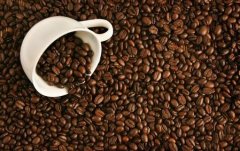
Main Coffee Bean Origins and Their Flavor Profiles
Explore key coffee-producing regions and their distinct bean characteristics to guide your next purchase. Learn what makes each origin unique.
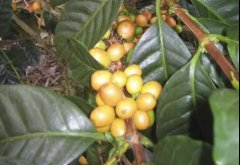
What Is Pacamara Coffee? Key Facts About This Specialty Bean
Pacamara is a rare Salvadoran coffee hybrid with large beans and complex flavors. Learn where it grows, why it’s prized, and what makes it special.
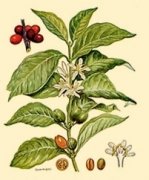
How Many Coffee Species Are Grown for Commercial Use?
Out of 60+ wild coffee species, only four are commonly grown for global trade: Arabica, Robusta, Liberica, and Dewevrei.
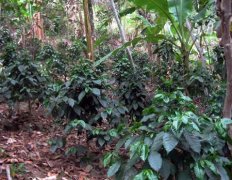
How Long Do Coffee Trees Take to Bear Fruit?
From planting to first harvest, coffee trees need 3–5 years. They peak in yield between 15 and 20 years, but bear best from ages 6–10.
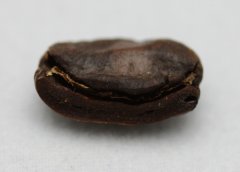
How to Assess Coffee Bean Freshness and Roast Quality by Cutting and Chewing
Learn how to judge coffee bean freshness and roast level by squeezing, cutting, and chewing. These hands-on methods reveal roast consistency and bean quality.