
Coffee Bean
Latest articles, industry insights and brewing guides

How to Identify Real Kopi Luwak Coffee at a Glance
Learn how to spot authentic Kopi Luwak before roasting—key signs are visible in the raw beans, especially when the husk is still attached.
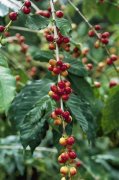
Coffee Beans More Expensive Than the World’s Priciest Coffee
A rare type of coffee made from beans vomited by civets costs around $1,200 per kg—$200 more than standard kopi luwak. Here's what makes it so costly.
What Is Santo Domingo Coffee from the Dominican Republic?
Santo Domingo coffee from the Dominican Republic offers bright acidity, floral aroma, and a clean, smooth cup. Learn its origin and flavor profile.

What Does Australian Coffee Taste Like?
Australian coffee is known for its balanced acidity and subtle bitterness, with a preference for milk and sugar in 90% of brews.

Why Peru Is Becoming a Specialty Coffee Powerhouse
Peru’s mild, balanced coffee with medium acidity and smooth body is gaining global recognition for its stability and elegance in blends.

Rare Genetic Mutations in Specialty Coffee Varieties
Discover rare and mutated coffee varieties like Geisha, SL28, and SL34, including their origin, traits, and what makes them stand out.

Celebes Tongkonan: Indonesia’s Rare Royal Coffee Bean
Celebes Tongkonan is a rare Indonesian single-origin coffee, hand-packed in Toraja-decorated barrels, with annual production under 1,000 x 1.5kg lots.

How to Store Roasted Coffee Beans Properly
Learn the best ways to store roasted coffee beans to preserve flavor, avoid moisture and oxygen damage, and keep them fresh longer.
Why Blending Coffee Beans Works
Learn when and why coffee blends beat single origins, and how roasters craft balanced, consistent flavors through blending techniques.
How to Grind Coffee Beans: The 3 Methods Explained
Learn the differences between grinding, milling, and mortar-and-pestle methods for coffee beans—and which produces the best brew.

How Coffee Beans Are Hulled and Ground Before Export
Learn how coffee beans are hulled to remove the parchment layer and processed for export, including the machines and methods used worldwide.
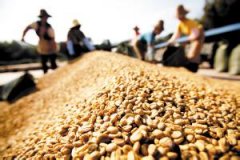
How Specialty Coffee Beans Are Dried After Wet Processing
After wet processing, coffee beans are dried inside the parchment layer to 11% moisture—critical for stability and flavor preservation.
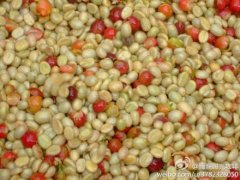
How Washed Process Coffee Beans Are Made
Washed coffee processing removes fruit immediately after harvest. Learn the steps, equipment, and timing that ensure clean, high-quality beans.
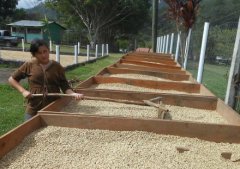
The Traditional Natural Process for Coffee Beans
Learn how dried or natural processed coffee beans are made using the sun-drying method, a low-cost, traditional technique still widely used today.

These Specialty Coffee Beans Cost More Than Blue Mountain
From Saint Helena’s Napoleon to Indonesia’s Kopi Luak, these rare coffees fetch premium prices and offer unique flavors.

What Makes Laos Coffee So Special?
Laos grows some of Southeast Asia’s finest coffee in the Bolaven Plateau, known for floral, citrusy, and chocolatey profiles. Learn why.

Vietnam’s Ambitious Rise as a Coffee Nation
Vietnam isn’t just the world’s second-largest coffee exporter—it’s also home to a growing coffee culture driven by its own people. Here’s how.
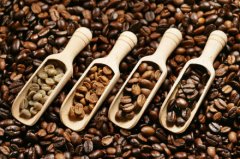
The Troubled History of Indonesian Coffee Including Kopi Luwak
Explore Indonesia’s coffee history from prized 18th-century Java to rare Kopi Luwak and today’s famed Mandheling, including volcanic highland origins.

Guatemala Antigua Coffee: What Makes It Noble?
Guatemala Antigua Classic coffee features rich acidity, balanced sweetness, and subtle smokiness — all from its volcanic highland terroir.

What Makes Guatemala Antigua Coffee So Distinctive?
Explore the unique volcanic soil, smoky complexity, and rich history behind Guatemala’s Antigua coffee — one of the world’s most exceptional single origins.