
Coffee Bean
Latest articles, industry insights and brewing guides

India’s Specialty Coffee: Beyond Monsooned Malabar
Explore India’s lesser-known specialty coffees, from Monsooned Malabar to unexpected washed Robusta and high-scoring estate-grown Arabicas.
How Specialty Coffee Beans Grow: From Tree to Cup
Learn where specialty coffee comes from: the altitudes, climates, and timelines that shape high-quality coffee cherries before roasting.
What’s Really Inside Specialty Coffee Beans?
Coffee beans contain sugar, minerals, fiber, and aromatic compounds—here’s how they shape flavor, color, and roast chemistry.
How to Choose and Grind Specialty Coffee Beans
Learn how to store, grind, and brew specialty coffee beans for optimal flavor, including ideal grind sizes and brewing methods.
How Fresh Coffee Beans Smell and Taste Before Roasting
Learn how freshness affects green coffee bean appearance, scent, and roast performance — and what to expect from beans at different ages.
Ethiopian Mocha Coffee Bean Origins
Explore Ethiopia’s famed Mocha coffee, known for wine-like acidity and bold aroma. Learn why these beans come from high-altitude regions and carry unique processing names.
Top Coffee Producing Countries Ranked
Explore the world’s top coffee-growing nations, from Brazil and Colombia to Ethiopia and Indonesia, with key production facts and flavor profiles.
How to Identify Real Kopi Luwak Before Roasting
True Kopi Luwak is easiest to spot as green beans with intact parchment—often a deep yellow-green due to unique fermentation. Here’s how pros verify authenticity.
The 3 Main Types of Coffee Beans Explained
Learn the differences between Arabica, Robusta, and Liberica — the three most common coffee species, their flavors, growing conditions, and uses.
82 Coffee Varieties in Specialty Coffee Breeding Gardens
Explore 82 coffee varieties (including species and cultivars) collected in a 3-acre coffee variety garden, including Arabica, Robusta, and rare wild types.
What Are Elephant Bean Coffee Beans?
Learn about Elephant beans (Maragogype), the rare giant coffee variety 3x larger than standard beans, grown mainly in Central America.
Best Roast Level for Jamaican Coffee Beans
Learn the ideal roast level for Jamaican coffee, especially Blue Mountain, and why light to medium roast brings out the best flavor.
Brazil Santos Brazilian Bourbon Santos
After Mr. Palhta returned to Brazil, coffee culture began in the state of Para, which is at the mouth of the Amazon. Coffee has a wide planting area and is the largest coffee exporter in the world. Brazil is located in Naaman, about 15 degrees south latitude. The coffee culture in Brazil began in 1727 and sprang up in the north of Brazil. It was made by a FrancescodeMeloPalheta teacher.
Major Coffee Bean Origins and Their Flavor Profiles
Explore the key coffee-producing countries and their distinct bean characteristics to help guide your next purchase decision.
Bali's Premium Robusta Coffee Beans
Discover why high-elevation Bali-grown Robusta sells for $50/kg, with wild flavor and elite selection standards.
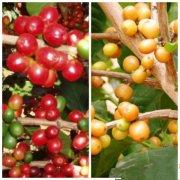
What Is Pacamara Coffee? Origins and Flavor Profile
Pacamara is a hybrid coffee variety from El Salvador, known for large beans and complex flavors. Here’s why it took decades to catch on.
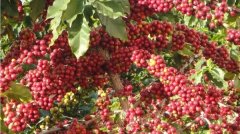
How Coffee Trees Grow: From Flower to Coffee Bean
Learn how coffee trees grow, flower, and produce fruit—and how those fruits become the green beans you roast. A full breakdown of the coffee cherry lifecycle.
How Long Does It Take to Grow Coffee Beans?
Coffee trees take 3–5 years to fruit, peak between 6–10 years, and hit full yield around 15–20 years. Learn how growing conditions shape flavor.
What Are Coffee Peaberry Beans and Do They Taste Better?
Peaberry coffee beans occur in just 5–8% of coffee cherries. They’re often said to taste richer, but science hasn’t confirmed a major advantage over flat beans.
Why Brazil Produces the World’s Smoothest Coffee
Brazil is the top global coffee producer, known for mild, balanced beans. Learn why its Arabica coffee is so smooth and widely used in blends.