
Coffee Bean
Latest articles, industry insights and brewing guides

What Is Mamba Coffee? A Classic Indonesian-Style Blend
Mamba coffee blends 50% Mandheling and 50% Brazilian beans for a bold, full-bodied espresso with rich crema and a bitter-sweet finish.

Arabica vs Robusta Coffee Beans: What’s the Difference?
Learn how to visually and physically distinguish Arabica and Robusta coffee beans, including shape, color, and roast impact. Key traits explained.
How to Store Green Coffee Beans Properly
Learn the best storage methods for green coffee beans to preserve freshness and flavor, including ideal conditions and material choices.

What Chemicals Are Actually in a Coffee Bean?
A roasted coffee bean contains over 660 volatile compounds. Learn which chemicals create aroma, bitterness, and body — and how roast level changes them.
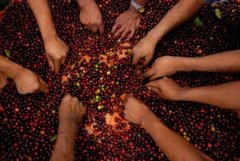
Flat, Peaberry & Elephant Beans: What’s the Difference?
Learn how flat, peaberry, and elephant coffee beans form, why they differ in size and shape, and whether those differences affect flavor.
Genetic Mutation Coffee Varieties Explained
Explore rare coffee mutations like SL28, Geisha, and Yellow Bourbon — their origins, flavors, and why they matter in specialty coffee.
Celebes Tongkonan: Indonesia’s Rare Specialty Coffee Bean
Celebes Tongkonan is an ultra-rare Indonesian coffee from Toraja, Sulawesi, produced in limited quantities and prized for its floral, fruity complexity.
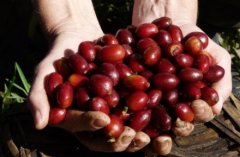
What Is Catuai Coffee? The Hybrid Bean Explained
Catuai is a disease-resistant hybrid of Caturra and Mundo Novo. It grows low to the ground with firm berries, mostly red or yellow — red tends to cup cleaner.
What Does Rwandan Coffee Taste Like? Flavor Profile Explained
Rwandan coffee offers a soft, rich cup with grassy, tropical, and fruity notes. Learn what defines its unique washed-Arabica profile.
Why Italians Choose illy Coffee Beans
Since 1933, illy has been Italy’s top espresso brand, holding 7.5% commercial and 30.3% home market share.
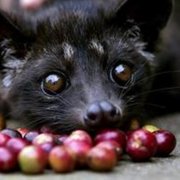
How Kopi Luwak Coffee Is Made and Why It Tastes Different
Learn how civet coffee is produced, why it’s so expensive, and what makes its flavor unique—from digestion to drying.
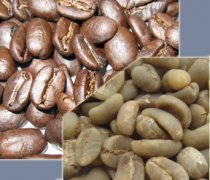
Espresso Coffee Blends: Common Beans Used
Learn which coffee beans are typically used in espresso blends, including the role of Arabica, Robusta, and common roast profiles.
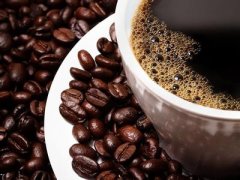
How to Choose the Best Coffee Beans
Learn what makes great coffee beans: freshness, purity, and proper storage. Discover expert tips for selecting high-quality single-origin beans.

What Makes Papua New Guinea Coffee Specialty Grade?
Papua New Guinea produces high-quality washed Arabica beans with bright acidity, full body, and fruity sweetness, grown at 1300–1800m in volcanic soils.

What Is Elephant Bean Coffee? Maragogype Explained
Learn what makes Maragogype, or elephant beans, unique — from their unusually large size to their mild flavor profile and key growing regions.

What Makes Hawaiian Kona Coffee So Special?
Hawaiian Kona coffee boasts bright acidity, balanced sweetness, and a smooth profile thanks to volcanic soil and careful cultivation on Hawaii’s Big Island.
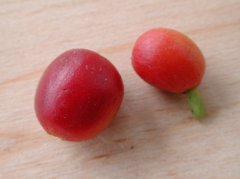
What Makes Ethiopian Yirgacheffe Coffee Unique?
Learn why Yirgacheffe coffee is prized for its bright acidity, floral aroma, and delicate sweetness — and how to brew it properly.
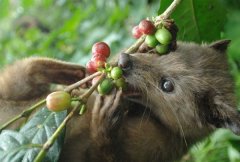
Kopi Luwak vs Elephant Dung Coffee: What’s the Real Difference?
Kopi Luwak (cat poop coffee) and elephant dung coffee differ in sourcing, processing, and quality control. Here’s how the two ‘animal-processed’ coffees truly compare.

Top African Coffee Bean Origins Every Specialty Roaster Should Know
Explore six top African coffee-producing nations, from Kenya’s bright AA beans to Ethiopia’s floral Yirgacheffe, with flavor profiles and key facts.
How Coffee Beans Are Graded by Country
Coffee grading varies by country—learn how size, defects, altitude, and processing define quality in Brazil, Ethiopia, Colombia, and beyond.