
Coffee Technology
Latest articles, industry insights and brewing guides

How to Pour Latte Art: Key Free Pour Techniques
Master latte art free pouring with three key factors: speed, distance, and location. Learn how to pour better milk art with consistent practice.
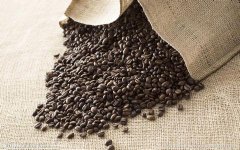
How to Roast Coffee Beans at Home: 4 DIY Methods
Learn how to roast green coffee beans at home using four simple methods, from a pan to a popcorn tin, with timing and roast levels explained.

How to Grind Specialty Coffee Beans the Right Way
Learn the 4 key rules for grinding specialty coffee beans: uniformity, minimal heat, no fines, and matching grind size to your brew method.
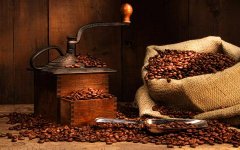
Best Water Temperature for Paper Drip Coffee Brewing
Find the ideal water temperature range for balanced pour-over coffee, and how roast level and bean freshness affect your brew.
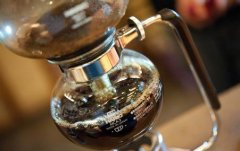
How to Maintain a Flannel Coffee Filter for Best Flavor
Using a flannel filter makes richer coffee, but it needs careful cleaning. Here’s how to wash, store, and prep your flannel filter properly.
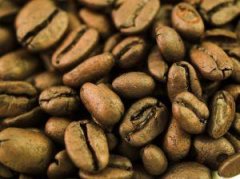
How Long Do Roasted Coffee Beans Last? Storage Basics
Roasted coffee beans stay fresh for about two weeks at room temp in a sealed container. For longer storage, refrigerate them properly. Avoid air, light, and moisture.

How Grind Size Affects Coffee Extraction by Brewing Method
Find the right coffee grind size for your brewing method—Turkish, espresso, pour-over, French press and more—with exact recommendations.
Natural Process Coffee: Drying Method Explained
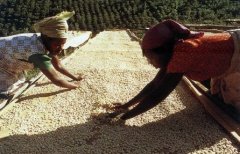
Learn how natural or dry-processed coffee develops its signature mild acidity and full body through sun or mechanical drying over weeks.

How Washed Process Coffee Beans Are Made
Washed coffee beans are cleaned, fermented, and dried to produce bright acidity and clean flavors. Learn the full step-by-step process.

What Is Semi-Washed Coffee Processing?
Semi-washed coffee processing removes the outer skin, then dries the beans. It blends traits of washed and natural methods, offering balanced flavors.

How Milk Chemistry Affects Coffee Latte Art
Learn how milk’s protein, fat, and sugar content influence foam stability and latte art performance in your espresso drinks.

Why Whole Milk Foams Easier for Latte Art
Whole milk foams better for latte art due to its higher fat content, which creates more stable microfoam. Here’s the science behind it.

Latte Art in Small Ounce Cups: Precision & Practice
Smaller cups make latte art harder—but with practice, even 3oz pours can produce clean, attractive designs. Here’s how to master it.

How to Steam Milk for Great Coffee Foam
Learn how to steam milk for stable, long-lasting foam with the right fat content and technique for perfect latte art.

How Coffee Roasting Shapes Flavor in Specialty Beans
Roasting transforms green coffee beans into flavorful brews—here’s how heat, time, and technique craft 80% of your cup’s taste.
How to Brew Siphon Coffee for Single-Origin Flavor
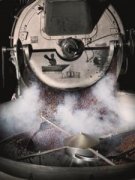
Learn how to use a siphon (vacuum) coffee maker to extract clean, vibrant flavors from single-origin beans with stable results.
An Introduction to Specialty Coffee Bean Roasting
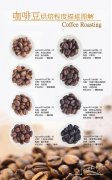
Learn the essentials of coffee roasting, from selecting green beans to cooling and resting, and why freshness matters in specialty coffee.

How Honey Process Coffee Is Made: Step-by-Step
Learn the exact steps of honey coffee processing, including yellow, red, black, and raisin methods, and how they shape flavor.

How Fresh Coffee Cherries Become Green Coffee Beans
Discover the full process of turning coffee cherries into green beans, including harvest, sorting, and key processing methods like washed and natural.
How Specialty Coffee Beans Are Processed: Washed vs Natural
Learn how washed (wet) and natural (dry) processing shapes specialty coffee flavor, from harvest to parchment stage.