
Coffee Technology
Latest articles, industry insights and brewing guides

How to Brew Coffee: 4 Main Methods Explained
Learn the four key coffee brewing methods—immersion, pressure, gravity, and percolation—and how each affects flavor, extraction, and your cup.
Espresso vs Steep Extraction: How Coffee Brewing Methods Differ
Learn how coffee brewing breaks down into just two main types: pressure-driven espresso and natural steep extraction methods like pour-over and French press.
How Coffee Extraction Actually Works: The Core Science
Understand the 3-step extraction process behind every cup: grinding, soaking, and separation. This is how water pulls flavor from coffee.
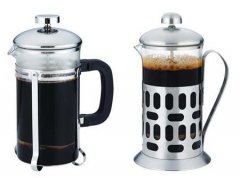
How to Brew Coffee at Home: A Complete Beginner’s Guide
Learn how to make coffee at home with proper grind size, water temperature, and equipment choices for your favorite brew methods.
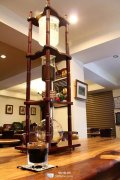
How Long Does It Take to Make Ice Drip Coffee?
Ice drip coffee takes 3–24 hours to brew and 1–3 days to rest for the best flavor. Here’s how cold water slowly extracts sweetness without bitterness.

How to Tamp and Dose Coffee for Consistent Espresso
Learn the key variables—grind size, dose, tamp pressure—that affect espresso extraction and how to adjust them manually for better shots.
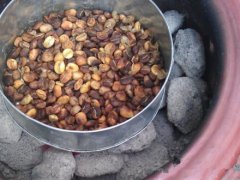
How Coffee Roasting Works: Methods and Principles
Learn how proper coffee roasting develops 80% of your cup’s flavor, with keys to even heat and balanced roast profiles.
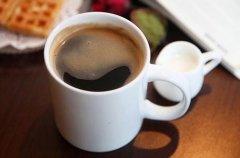
How to Hand-Inspect Raw Coffee Beans Like a Pro
Learn to assess raw coffee bean quality by color, shape, smell, and defects. A trained eye and touch reveal freshness and grade.
How to Identify High-Quality Coffee Beans
Learn how roast style, freshness, labeling, and origin determine if your coffee beans are truly high quality.
Why Fresh Coffee Beans Taste Better in Every Cup
Freshly roasted coffee beans peak in flavor around two weeks after roasting. Learn how to identify freshness and what changes in old beans.

Why Whole Milk Foams Better for Latte Art
Whole milk creates more stable foam for latte art due to its higher fat and protein content. Learn how fat content affects milk frothing.
How Coffee Grind Size Matches Brewing Methods
Find the right coffee grind size for your brewing method—espresso, moka pot, pour-over, French press, and more—with exact grind levels explained.
How Long Do Roasted Coffee Beans Last? Proper Storage Explained
Roasted coffee beans last up to two weeks at room temp in a sealed container. For longer storage, refrigerate. Never store pre-ground coffee.
How to Maintain a Flannel Coffee Filter for Best Flavor
Flannel filters make rich, aromatic coffee—but only if cleaned and stored right. Here’s how to care for yours without ruining the flavor.
How to Use a Gooseneck Kettle for Better Coffee Pouring
Learn how to control water flow and avoid air bubbles for optimal bloom and extraction when using a gooseneck kettle.
Optimal Water Temperature for Pour-Over Coffee
Find the best water temperatures for pour-over brewing—82°C–84°C hits the flavor balance sweet spot, with adjustments for roast level and freshness.
The Honeycomb Structure Inside Roasted Coffee Beans
Japanese researcher Prof. Hirose found roasted coffee beans have a honeycomb interior—0.01mm pores hold flavor, and filter choice affects extraction balance.
How to Grind Coffee Beans for the Best Extraction
Learn the key rules for grinding coffee beans: uniformity, heat control, avoiding fines, and matching grind size to your brewing method.
How to Make the Perfect Espresso at Home or in a Shop
Learn the 13 key factors that impact espresso quality — from coffee bean freshness to crema color and water pressure.
What’s Really Inside Your Cup of Coffee?
A brewed cup contains 200+ compounds via pour-over, 1500+ via espresso. Discover the full chemical makeup behind your favorite brew.