
Coffee Technology
Latest articles, industry insights and brewing guides

How to Practice Latte Art Pouring with Water
Learn to pour stable water streams like latte art milk—key for beginners mastering consistency, height control, and microfoam movement without espresso.
How to Practice Latte Art: Mastering the Basic Circle
Learn how to pour a basic latte art circle with espresso and steamed milk. Key steps, common mistakes, and tips for beginners.
Nicaraguan Specialty Coffee Roast Profile Guide
A Central American SHG coffee from Nueva Segovia, roasted medium for balance. Best at 85°C pour-over with 20g/300ml. Mild tea notes, low acidity.
Why Picking Out Defects Can Hurt Specialty Coffee Flavor
Removing visible coffee defects isn't always best—some 'flaws' preserve unique regional flavors, especially in Ethiopian and Indonesian beans.
Understanding Coffee Roast Levels from Light to Dark
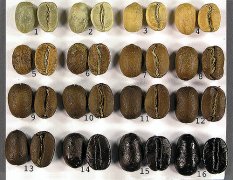
Explore how coffee roast levels—from light to French—impact flavor, extraction, and aroma. Learn what each stage really means for your brew.
How to Roast Panamanian Boquete Honey Process Coffee
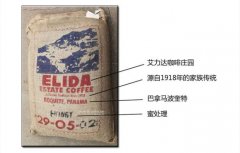
Learn how to roast Elida Estate’s Boquete honey-processed coffee for optimal sweetness and floral aroma, with roast levels and flavor insights.
Home Roasting Yirgacheffe: Oven Method & Results
How to roast Yirgacheffe at home using an oven and rotating cage—results, temps, timing, and what went wrong.
How to Pour a Heart Latte Art Design Step-by-Step
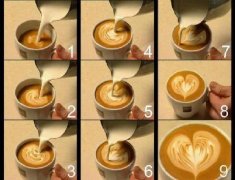
Learn the exact steps to pour a classic heart shape in latte art, including milk flow, pour height, and final movements.
How to Pour a Dancing Tulip Latte Art
Learn how to create a dynamic tulip latte art pattern in six clear steps, from milk flow to layered hearts.
How to Choose the Right Grinder for Coffee
Learn which grinder types suit your brewing method—espresso, pour-over, or French press—with guidance on burr shape, heat, and grind consistency.
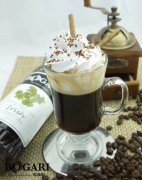
How to Choose Latin American Coffee Beans
Explore the best Latin American coffee regions and flavor profiles to help you pick your ideal single-origin beans.
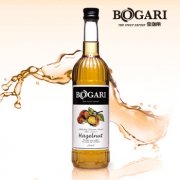
How to Make Homemade Hazelnut Coffee Liqueur
A step-by-step guide to crafting a rich, aromatic hazelnut coffee liqueur using espresso, rum, vanilla, and hazelnut syrup.
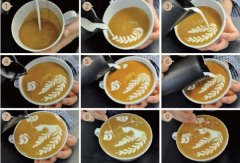
How to Pour a Flying Bird Beak Rose Latte Art
Learn to pour a striking flying bird beak rose latte art design with clear steps, recommended grinds, and tips for beginners.
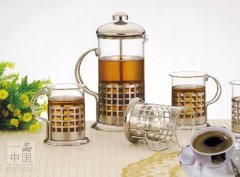
How to Make Authentic French Press Coffee at Home
Learn how to brew classic French press coffee with precise grind, water temp, and 3–6 minute steep time for full flavor extraction.
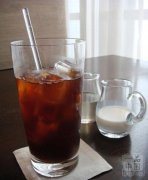
How to Make Vietnamese Iced Coffee With Tea Pairing
Learn how to make traditional Vietnamese iced coffee using a filter dripper, condensed milk, and ice — plus the authentic Vietnamese tea pairing ritual.
How to Make 46 Classic Fancy Coffee Drinks
Step-by-step guide to 46 traditional fancy coffee recipes, from espresso to Viennese iced milk coffee, with exact ratios and techniques.
44 Classic Cocktail-Style Coffee Recipes from Around the World
Explore 44 traditional and regional coffee drinks with eggs, cream, spices, and liqueurs—each with exact ratios, temps, and techniques.
44 Classic Iced Coffee Recipes from Around the World
Explore 44 global iced coffee recipes—from whiskey-infused Irish versions to tropical fruit blends—with exact ingredient ratios, ice types, and serving tips.
How to Use a Moka Pot: The Science Behind Brewing
Learn how to brew great coffee with a moka pot using the right grind, water level, and heat control for balanced extraction.
What Kind of Water Makes the Best Tasting Coffee
The taste of your coffee is 98.5% water — learn which water types, pH levels, and minerals brew the best cup.