
Coffee Technology
Latest articles, industry insights and brewing guides
How to Maintain a Flannel Coffee Filter for Best Flavor
Using a flannel filter makes richer coffee, but it needs careful cleaning. Here’s how to wash, store, and prep your flannel filter properly.
How Long Do Roasted Coffee Beans Last? Storage Basics
Roasted coffee beans stay fresh for about two weeks at room temp in a sealed container. For longer storage, refrigerate them properly. Avoid air, light, and moisture.

How Grind Size Affects Coffee Extraction by Brewing Method
Find the right coffee grind size for your brewing method—Turkish, espresso, pour-over, French press and more—with exact recommendations.
Natural Process Coffee: Drying Method Explained
Learn how natural or dry-processed coffee develops its signature mild acidity and full body through sun or mechanical drying over weeks.

How Washed Process Coffee Beans Are Made
Washed coffee beans are cleaned, fermented, and dried to produce bright acidity and clean flavors. Learn the full step-by-step process.

What Is Semi-Washed Coffee Processing?
Semi-washed coffee processing removes the outer skin, then dries the beans. It blends traits of washed and natural methods, offering balanced flavors.

How to Brew Coffee Using the KONO Pour-Over Method
Learn the KONO pour-over technique: use pulse dripping during bloom, then increase flow for a clean, full-bodied cup with reduced bitterness.

How Milk Chemistry Affects Coffee Latte Art
Learn how milk’s protein, fat, and sugar content influence foam stability and latte art performance in your espresso drinks.

Why Whole Milk Foams Easier for Latte Art
Whole milk foams better for latte art due to its higher fat content, which creates more stable microfoam. Here’s the science behind it.

Latte Art in Small Ounce Cups: Precision & Practice
Smaller cups make latte art harder—but with practice, even 3oz pours can produce clean, attractive designs. Here’s how to master it.

How to Steam Milk for Great Coffee Foam
Learn how to steam milk for stable, long-lasting foam with the right fat content and technique for perfect latte art.

How Coffee Roasting Shapes Flavor in Specialty Beans
Roasting transforms green coffee beans into flavorful brews—here’s how heat, time, and technique craft 80% of your cup’s taste.

How to Brew Siphon Coffee for Single-Origin Flavor
Learn how to use a siphon (vacuum) coffee maker to extract clean, vibrant flavors from single-origin beans with stable results.
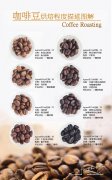
An Introduction to Specialty Coffee Bean Roasting
Learn the essentials of coffee roasting, from selecting green beans to cooling and resting, and why freshness matters in specialty coffee.

How Honey Process Coffee Is Made: Step-by-Step
Learn the exact steps of honey coffee processing, including yellow, red, black, and raisin methods, and how they shape flavor.

How Fresh Coffee Cherries Become Green Coffee Beans
Discover the full process of turning coffee cherries into green beans, including harvest, sorting, and key processing methods like washed and natural.
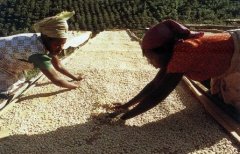
How Specialty Coffee Beans Are Processed: Washed vs Natural
Learn how washed (wet) and natural (dry) processing shapes specialty coffee flavor, from harvest to parchment stage.

How Natural Process Coffee Beans Are Made by Sun Drying
Learn how sun-dried or natural process coffee beans are made, including drying times, moisture levels, and why flavor varies.

How Washed Coffee Processing Works: Step-by-Step
Washed coffee processing removes fruit via fermentation and water. Learn how it creates clean, bright beans with 16% moisture and minimal defects.

How Coffee Growing Altitude Affects Flavor
Higher-altitude coffee grows slower, developing more complex sugars and flavors. Find out which elevations produce the best-tasting beans.