
Coffee Technology
Latest articles, industry insights and brewing guides

How to Hand-Test Milk Foam Temperature When Steaming
Learn how to hand-test milk foam temperature between 60°C–70°C for optimal coffee flavor without a thermometer.

How Roasting Determines Coffee Flavor
Roasting transforms green beans into aromatic brown ones—learn how heat levels shape acidity, bitterness, and aroma in your cup.

How to Roast Coffee Beans at Home with a Hand Pan
Learn how to roast 100g of green coffee beans at home using a hand pan, including timing, temperature, cooling, and storage tips.

Key Coffee Roasting Mistakes and How to Avoid Them
Learn the four most common coffee roasting errors and how heat transfer methods affect your roast quality and flavor development.

How Coffee Beans Are Roasted: Levels & Effects
Learn how coffee roasting levels—from light to dark—affect flavor, acidity, and body. Includes eight standard roast degrees and sensory cues.

Four Coffee Roast Levels Explained
Learn the four key coffee roast levels—Cinnamon, City, Vienna, Italian, and French—and how they affect flavor and appearance.
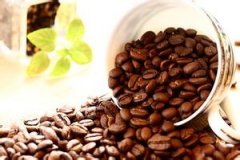
The Six Stages of Coffee Roasting Explained
Learn how green coffee transforms through drying, first crack, and cooling in these six defined roast levels — from light to very dark.

How Coffee Roasting Shapes Flavor: A Complete Guide
Learn how roasting transforms green coffee beans into aromatic, flavorful coffee, with details on methods, phases, and degree impacts.
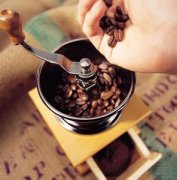
How Coffee Roasting Shapes Flavor From Light to Dark
From light to dark roast, coffee undergoes chemical changes that define flavor. Learn how roast level, time, and temp impact taste.

How Coffee Roasting Techniques Shape Flavor
Learn how drum and hot-air roasting methods, roast levels, and key chemical changes create the flavors in your cup of specialty coffee.
Coffee Roasting Guide: Dehydration, Ramp, Smoke, and Drying Phases
Learn how to control dehydration, ramp speed, smoke management, and the drying phase in coffee roasting—from first crack to development time.
How Different Countries Roast Their Coffee Beans
Explore regional coffee roasting preferences—from Tokyo’s medium-dark to Vienna’s dark roast—and learn which beans thrive under different levels of heat.

How Roasting Determines Coffee Flavor
Roasting dictates 80% of your coffee’s flavor profile. Learn how heat application, roast level, and cooling affect acidity, sweetness, and bitterness.
Ladle Net Roasting: A Low-Cost Start to Home Coffee Roasting
Learn how to build and use a DIY ladle net roaster for under $10. This low-tech method offers better heat retention than a pan and is ideal for beginners experimenting with small-batch coffee roasting.

How to Tell If Your Coffee Beans Are Fresh
Use smell, sound, color, and appearance to judge coffee bean freshness. Here’s how to spot stale beans before brewing.
How Coffee Roast Level Impacts Flavor and Quality
A deep dive into the 8 roast levels, proper storage, and how roast quality affects your cup—from first crack to dark roast.

Advice for Beginner Coffee Roasters
Three essential steps for beginner coffee roasters to follow: define your goal, match your equipment, and refine through feedback.

How to Control Coffee Roast Degree by Senses and Tools
Learn how to judge and control your coffee roast level using your senses, visual cues, and basic tools like timers or sensors.

What Happens During Coffee Roasting After Harvest
Unroasted coffee beans, called green beans, last up to a year. Roasting transforms them in minutes, creating aroma, flavor, and all brewable compounds.

What Is Coffee Natural Process and How Does It Work
Learn how the coffee natural (sun-dried) process works, its steps, impact on flavor, and why it produces bold, fruity beans.