
Coffee Technology
Latest articles, industry insights and brewing guides
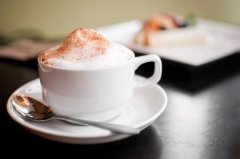
Seven Simple Rules for Brewing Better Coffee
Want better-tasting coffee? Follow these seven essential brewing rules — from fresh beans to preheating your cup — for a better cup every time.

How Hand Grinding Improves Specialty Coffee Quality
Hand-ground coffee offers better flavor control than automatic machines. Learn how dose, grind size, and tools impact your brew.
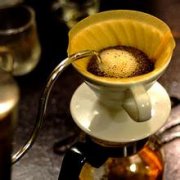
How Coffee Beans Are Processed Before Roasting
Learn how coffee beans are processed via washed (wet) and natural (dry) methods, each crucial to flavor, quality, and export readiness.
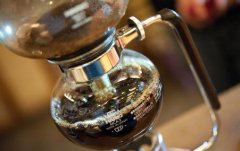
How Roasting Determines Specialty Coffee Flavor
Roasting unlocks 80% of a coffee’s flavor. Learn how heat transforms green beans into aromatic, flavorful specialty coffee through proper technique.
How to Know When to Stop Roasting Coffee Beans
Learn when to stop roasting coffee by observing color, time, temperature, and smoke. Most importantly, stop just before your target roast level.
Coffee Roasting Basics: What Happens During Roast Development
Learn how coffee flavor develops in the roast—from first crack to second crack—and why home roasting delivers fresher, more affordable cups.
Grinding Coffee Beans: Essential Tips for Better Extraction
Learn the right grind size, timing, and techniques to preserve flavor and achieve optimal coffee extraction for your brewing method.
How to Judge a Good Espresso Shot
A perfect espresso has a 30ml yield in 25–30 seconds, with 7–8g coffee, 9 bars pressure, and rich crema. Here’s how to spot one.
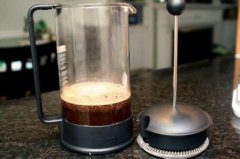
Five Common Methods for Brewing Specialty Coffee
Discover five widely used coffee brewing techniques, from classic drip to slow cold drip, each offering unique flavor profiles and brewing experiences.
How Espresso Is Made: Temperature, Pressure, and Timing
Espresso is made by forcing hot water through finely ground coffee at 9–10 bar pressure for 20–30 seconds, yielding about 30ml of concentrated coffee.

6 Ways to Judge a Cup of Specialty Coffee
Learn the 6 key standards used by specialty coffee tasters to evaluate a cup — from cleanliness to richness and flavor movement.

The Best Way to Taste Coffee Beans’ True Flavor
Discover why cupping is the best method to experience a coffee’s true character, how it works, and what ratios and timings to follow.
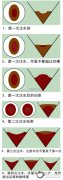
How Immersion Drip Extraction Works in Specialty Coffee
Learn how immersion-style pour-over brewing uses slow, small water flow to extend contact time and improve extraction quality.
How to Avoid Over-Extraction in Pour-Over Coffee
Learn how to prevent over-extracted pour-over by controlling flow rate, water distribution, and avoiding a center crater during brewing.
Why Some Milk Foams Better for Latte Art Than Others
High-protein milk creates more foam, but rich fat content makes the foam smoother and creamier — here’s what really matters for latte art.

Why Milk Foam Quality Defines a Barista's Skill
Dense, stable milk foam is essential for smooth texture and clean latte art. Here’s how baristas achieve professional-level microfoam.
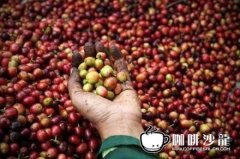
How Wet Hulling Makes Sumatra Coffee Unique
Sumatra’s wet hulling (giling basah) speeds up drying in high humidity by removing the parchment shell early, at 30–50% moisture.
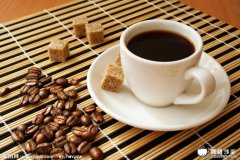
How to Grind Coffee Beans for the Best Flavor
Learn the right grind size for your brewing method, why freshness matters, and how to avoid common coffee grinding mistakes.
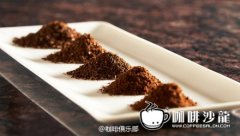
Choosing the Right Grind Size for Your Coffee Brewing Method
Find out which grind size—fine, medium, or coarse—works best for your coffee maker, from moka pots to French press.
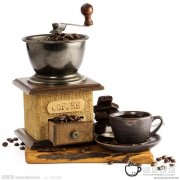
How to Grind Coffee at Home for Better Flavor
Learn why freshly grinding your coffee at home makes a big difference in flavor, and get tips on tools, grind sizes, and timing.