
Coffee Technology
Latest articles, industry insights and brewing guides

How to Prepare and Pour an Espresso Latte Art
Learn the essential steps for making espresso, steaming milk, and pouring latte art — from foam quality to classic leaf patterns.
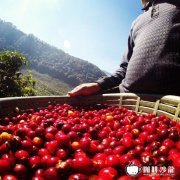
What Are Coffee Processing Methods?
Coffee processing methods like washed, natural, and honey determine flavor. Learn how each transforms cherries into brewed coffee.
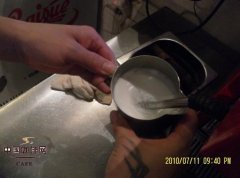
How to Steam Milk and Pour Latte Art with a Semi-Automatic Machine
Master the essentials of steaming milk and pouring latte art with clear steps on temperature, steam pressure, and avoiding common mistakes.

How to Steam Milk and Pour Latte Art for Espresso Drinks
Learn how to steam milk to the right temperature, create microfoam, and pour latte art with step-by-step techniques for cappuccinos and more.

What Is Charcoal Roast Coffee? Origins & Flavor Profile
Learn how traditional Japanese charcoal-roasted coffee avoids oxidation for richer flavor, with deep insights into its 40-minute roast process.
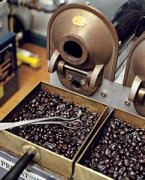
How to Properly Tamp Espresso for Even Extraction
Learn the correct tamp technique for espresso: even distribution, 30–32lb pressure, slight leveling, 3 clockwise and 1 counterclockwise rotations for a level puck.

Three Main Coffee Processing Methods Explained
Learn how natural, washed, and honey processing shape your coffee’s flavor — with details on drying times, fermentation, and regional practices.
Diedrich Roaster Insights: Stephen Diedrich on Specialty Coffee Roasting
Stephen Diedrich shares his expertise on infrared heating, roast profiling, and essential steps to craft consistent, high-quality specialty coffee roasts.

How to Pour Heart and Leaf Latte Art on Espresso
Learn step-by-step how to create classic heart and leaf latte art patterns with espresso and steamed milk, including height, flow, and movement tips.

How to Make Iced Coffee More Flavorful and Sweet
Discover how roasters like Blue Bottle, Birch, and Verve make richer, more vibrant iced coffee using cold brew, nitrogen, and unique blends.
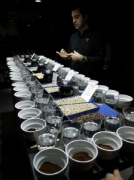
How to Cup Coffee Like a Pro: Step-by-Step Guide
Learn the professional cupping process used by Q graders and roasters to evaluate coffee flavor, aroma, and defects with exact ratios and steps.
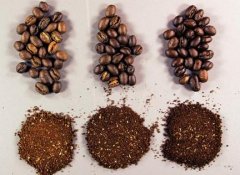
How to Grind Specialty Coffee Beans the Right Way
Learn the 4 key principles of grinding coffee beans for optimal flavor, including grind size, heat control, and freshness.

4 Types of Specialty Coffee Roasters Explained
Learn the differences between direct-fire, semi-hot-air, hot-air, and electric roasters — the four main types used in specialty coffee roasting.
Understanding Coffee Roast Levels: From Light to Dark
Learn how coffee roast levels—from light to dark—affect flavor, acidity, and bitterness, and why roast names vary by region and roaster.
Understanding Coffee Roast Levels and Their Impact on Flavor
Learn how coffee roast levels—from light to dark—affect flavor, acidity, and bitterness, and why consistency remains a challenge in roasting.
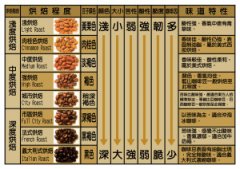
How to Roast Specialty Coffee Beans Like a Pro
Learn how to build a coffee roast map, avoid common flaws, and develop your own roast profiles for better specialty coffee flavor.

SCAE Coffee Roasting Courses: Foundation to Professional
Learn the updated SCAE coffee roasting curriculum with three levels: Foundation, Intermediate, and Professional. Covers skills from basic roasting to advanced production management.
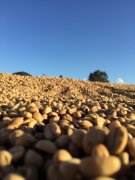
How Specialty Coffee Roasting Works: A Technical Breakdown
Learn how green coffee transforms through heat, what controls flavor development, and how to roast consistently with key metrics and steps.
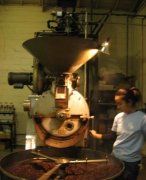
Are Coffee Flavors Natural or Created by Roasting?
Most coffee flavors come from the bean itself, but roasting shapes acidity, sweetness, and bitterness. Here’s how much is natural—and how roasters craft flavor.
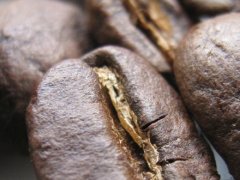
Why Wood-Fired Roasting Produces Unique Specialty Coffee
Wood-fired roasting takes 3–4 times longer than gas, preserving more coffee acids and creating a smoother, fuller-bodied cup. Here’s how it works.