
Specialty Coffee Beans
Latest articles, industry insights and brewing guides

Introduction to the flavor and taste of Indonesian boutique musk cat coffee beans
Tim Carman, a food columnist for the Washington Post, commented on Kopi Luwak sold in the United States and concluded that it tasted like Folger coffee. It's like rotten, lifeless taste. It's like petrified dinosaur shit in bath water. I can't finish it. The civet likes to choose the most ripe, sweet, juicy coffee fruit in the coffee tree as food.
Fruit-rich Jamaican boutique Blue Mountain Coffee Bean flavor taste introduced by St. Thomas
There are three grades of Blue Mountain Coffee in the Blue Mountain region of Jamaica: blue Mountain Coffee (Blue Mountain Coffee), Alpine Coffee (Jamaica High Mountain Supreme Coffee Beans) and Jamaican Coffee (Jamaica Prime Coffee Beans). Among them, Blue Mountain Coffee and Alpine Coffee are each divided into two grades. From quality to quality

Mount Kilimanjaro Coffee Estate in Tanzania at 5895 meters
The coffee cups produced in Songea are fairly standard, reflecting the common characteristics of northern coffee. Kibo coffee loses this property due to the flavor loss we mentioned during transportation. Songea has a clear, bold taste, although it is still slightly milder than Kenyan coffee. This season Nkoanekoli and Ngorongoro have joined the coffee crop.

Introduction to the flavor and taste characteristics of Panamanian Pokuit butterfly coffee beans with honey sweetness
On the basis of very excellent quality, the very people-friendly price makes this coffee bean cost-effective. What is special about this coffee bean is that it is made up of three varieties, of which 40% are geisha varieties, giving this coffee a distinct geisha flavor. According to the information obtained, due to the historical reasons of the manor, in order to pursue yield at that time, the early geisha varieties and
Introduction to the flavor and taste characteristics of Indonesian Mantenin coffee beans with bright sour flavor
It is customary to call coffee from Sumatra Mantenin, which is neither scientific nor confusing. The coffee produced by the Batak people in Lake Toba or the Lindong Mountains in north-central Sumatra is mostly grown without shade, and is mainly treated by half-sun or sun treatment, with obvious herbal flavor and soil flavor, and low acidity and muggy aroma, which is the most important feature of Mantenin coffee.

Ninety + Juliet (Juliette) N2 L39 Milk Chocolate and Flower mixed flavors
In the geisha Manor of Ninety +, there is a road from the farm house to the coffee dry area. When you walk on this road, you will see a row of extraordinarily beautiful mandala. In the evening, these bell-shaped flowers give off an intoxicating aroma that only lasts for an hour or so. We jokingly call this fragrance of flowers the beauty of the night. About the mandala and
Solkiln densely treats the flavor of pineapple pastry in geisha Manor Sillvia Solkiln N2
This is because we have extended the processing time, resulting in a stronger fruit flavor of the coffee. The sill part of the name Sillvia is quoted from the location of our farm, Silla Del Pando (Siriad del Pando volcano complex in the volcanic area of Panama). Via means the origin of the channel or method name: Sillvia Coffee is the first time we adopted the Solkiln method in 2012.
Rich citrus and berries in Yirgacheffe Yega Snow Clinique (Tchembe) N2 L7 producing area
Clinique (Tchembe) N2 L7 Tchembe N2 L7 Tchembe N2 L7 is named after haricho and bolo coffee from the Amaro Mountains, which have the flavors of carob and banana, although the 2013 Tchembe is made from Yega Snow. Tchembe coffee has a thick feel similar to dirt and chocolate, and
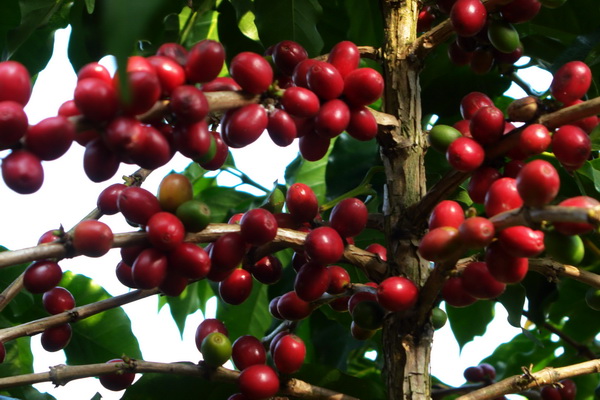
Origin 90 + Panama Rosedale Solkiln honey treatment washed generally clean
Origin of the name: Lotus SK flavor was developed after the silt-free lotus, a perennial aquatic plant sometimes mistaken for water lily. The 90 + Solkiln process dries the fresh fruit directly, similar to the traditional sun method, but the coffee beans look no different from the water wash method. Solkiln is a method of creating an artificial,
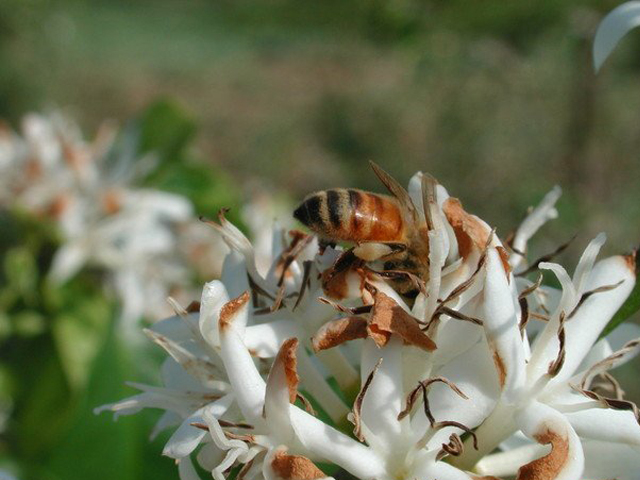
Treatment of Lotus SK H 2L95 Fig and Honey with mixed aroma Solkiln Honey
Origin 90 + Panama Rose Manor elevation 1250m-1650m varieties Ethiopia heirloom geisha original species treatment method Solkiln honey treatment. After controlling the humidity in the SK house to extend the drying time and concentrate the flavor while keeping it clean. Mixed aromas of figs and honey, with notes of melon, kiwifruit and slightly tropical fruits on the palate.
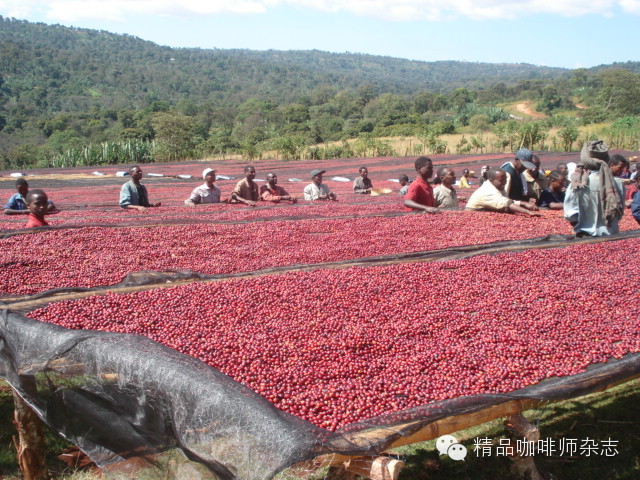
Nekisse N2 L12 Ethiopia 90 + Essel Fine Coffee Wellega (Warrega)
Origin of the name: in 2009, the coffee was named after Nectar from Shakisso, meaning it has the same flavor as nectar from the town of Shachiso in Hidamo province, Ethiopia. Nekisse is characterized by a creamy and smooth taste, a strong berry sauce, and some batches even have mixed flavors of citrus and a variety of tropical fruits. Although it was originally produced in Shakisso
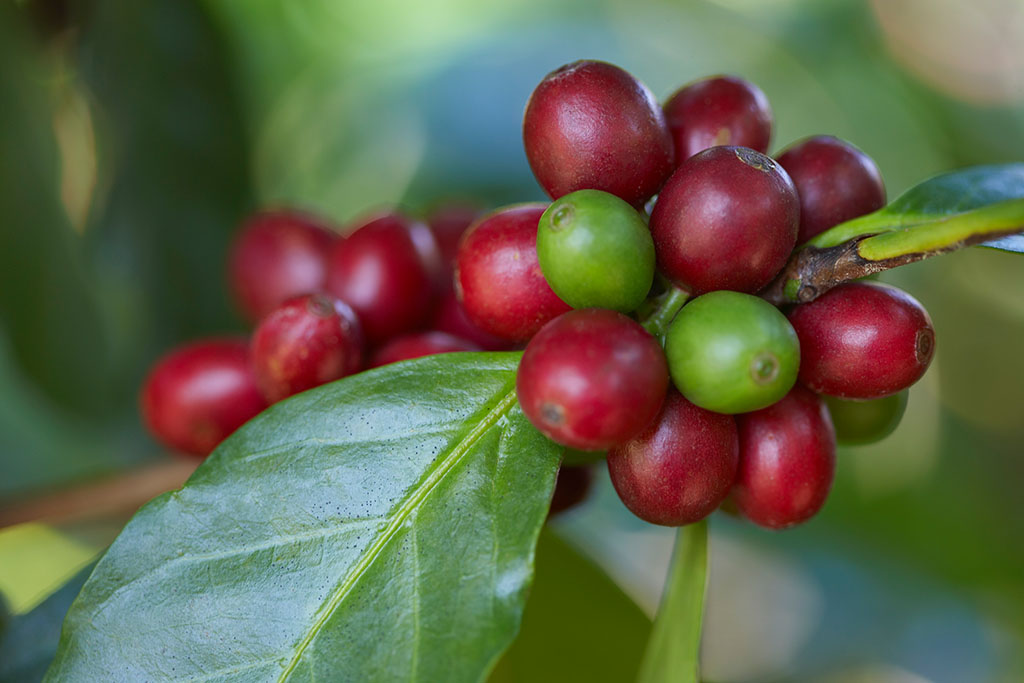
Ninety + Ethiopia Achira (Achira) producing area Elderberry Blackberry Basil herb
Hachira N2 L12 originated from the Aricha series developed with S.A.Bagersh between 90 + 2006 and 2008. This coffee is called Hachira. Hachira coffee juice is obvious, full of floral smell, usually with elderberry or blackberry flavor, sometimes basil herbs
The flavor spectrum of raw bean grading model 90 + "Level" marks the top taste standard.
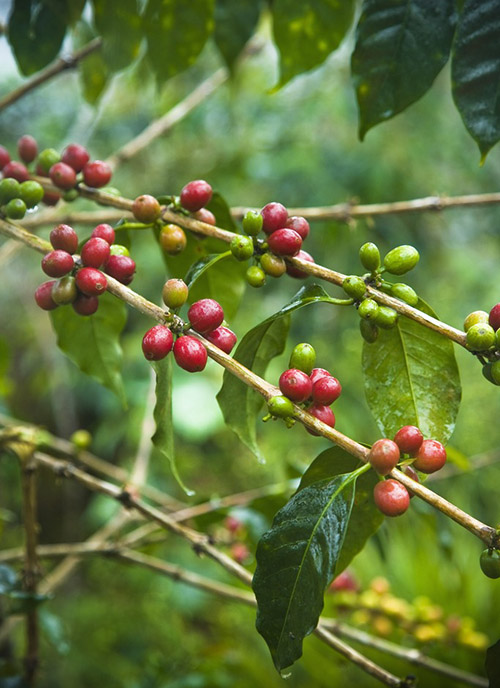
In the flavor spectrum of 90 +, there is a Level logo. It is the number after the product name mark L. For example, L12-means Level 12. The Level is probably in proportion to the price. It represents the grading model of raw beans: according to quality, quantity, production cost, 90 + based on the original excellent raw beans, continue to grade as follows: Level 7: single production area harvest. Will taste meticulous and
Red treatment "ruby treatment" boutique 90 + patented drying technology strong fruit flavor
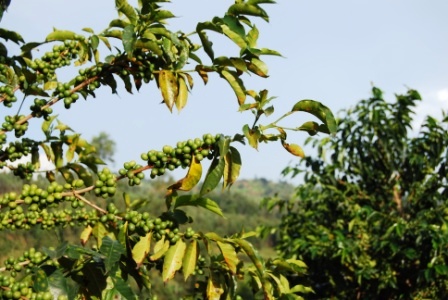
Red: the so-called red treatment is a special treatment carried out by the 90 + team through their own patented drying technology, which makes the color of shelled coffee beans show varying degrees of red. This treatment will once again enhance the aromatic characteristics of the coffee itself, and the taste will reflect a strong sweetness with obvious fruit flavor. Ruby: the so-called Hongbao
Introduction to the Origin of High-quality Coffee beans in Ecuadorian Coffee Flavor
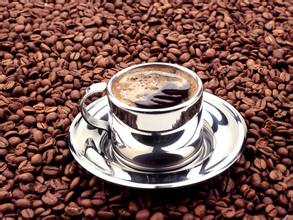
The best Ecuadorian coffee is grown on St. Cristobal Island in the Galapagos Islands, which has the unique natural geographical conditions for giving birth to the best quality coffee in the world. A cup of Galapagos coffee, like the beautiful scenery of the Galapagos Islands, is sure to impress you. In the mid-15th century, fishermen fishing in the western Pacific Ocean of South America were in the middle stream.
WASH washing treatment H _ 2 honey treatment NATURE sun treatment 90 + treatment
W2, H2, N2: it can be understood as the traditional way of processing raw beans, and 90 + also regards them as the distinction of taste. Ninety Plus thought that coffee itself is a kind of fruit, so he made his own exclusive treatment according to taste (W2), (H2), and (N2). When you understand traditional coffee processing, you will find that a small amount of adjustment can blur the distinction between them. For example, in
Solkiln method 90 + company patent technology special treatment method 90 + boutique coffee
Solkiln: the so-called Solkiln method is a special treatment of 90 + company's patented technology. They dry the fresh coffee fruit in a house originally used to dry wood. In this house, special equipment is used to control the temperature and humidity needed to maintain the stability of the internal environment, while eliminating the impact of the local humid climate on the coffee.
World Barista Competition 90 + Coffee Baker founder Novo Coffee Roasters
Ninety Plus, translated directly means 90 +, or more than 90 points. Friends outside the industry may not understand that a coffee bean of more than 90 points means it is close to perfect for coffee lovers. Whether we are talking about the cup score or the evaluation score of Coffee Review (www.coffeereview.com), it is a hard-won honor. 2007 Aricha Sele
Introduction to the flavor and taste of Panamanian boutique geisha coffee
In 1996, Blaise and Rachel visited a farm for sale in the Haramijun area of the Bocketi Valley, and was attracted by the beautiful farm and immediately bought it. This is Esmeralda. Daniel Lou, the third son of Haramiqiong Farm. It is in this farm that Mr. Bidasson has grown Geisha coffee that attracts the attention of the coffee world. Geisha pronunciation is the same as Japanese.

Introduction to the flavor and taste of Ethiopian boutique coffee beans
Coffee is Ethiopia's most important export cash crop and the main source of Ethiopia's foreign exchange earnings. Ethiopia's coffee exports account for about 3% of the world market, making it the eighth largest coffee exporter in the world. Coffee exports increased steadily from 58000 tons in 1990 to 110000 tons in 1995-1996 and remained at this level in the following years. 2001-2002