
Specialty Coffee Beans
Latest articles, industry insights and brewing guides
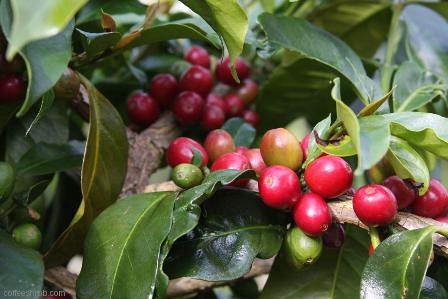
Typica vs Bourbon: Key Coffee Varietals Compared
Typica is elegant but fragile, while Bourbon yields more and tastes bold. Learn their traits, origins, and how they shape your cup.
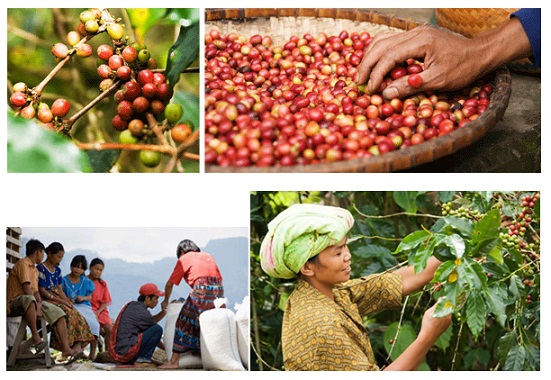
Are Colombia Santa Rita Coffee Beans Arabica or Robusta?
Colombia’s Santa Rita coffee beans are 100% Arabica, grown in Antioquia at 1600–2100m, using washed processing and mainly Catuai & Caturra varieties.
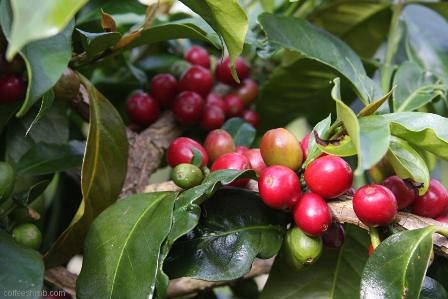
Typica or Bourbon? Understanding Brazil’s Classic Coffee Varieties
Brazil’s SC14/SC16 coffee blend uses Bourbon and Catuai grown at 1000–1200m in South Minas. Learn how Typica and Bourbon differ in resilience, yield, and cup profile.
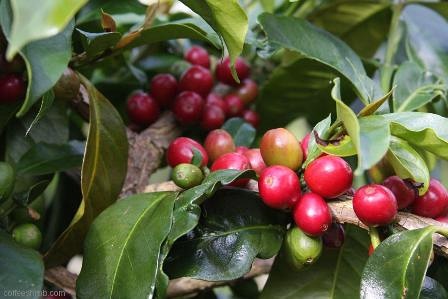
Is Brazilian Bourbon Coffee Arabica or Robusta?
Brazilian Bourbon coffee is 100% Arabica, not Robusta. This guide explains the difference and where Brazil’s best Bourbon is grown.

Typica vs Bourbon: Which Coffee Variety Wins?
Typica and Bourbon are two classic Arabica varieties with distinct traits. Learn their differences in yield, disease resistance, and cup profile.

El Salvador Himalaya Estate: Typica and Bourbon Coffee Varieties
This Salvadoran estate grows both Red Bourbon and Typica. Find out the altitude, processing, and flavor profile of these classic Arabica varieties.

Is Costa Rica's Villa Sarchi Variety Arabica or Robusta?
Villa Sarchi grown by Shumawa Estate in Costa Rica is 100% Arabica, not Robusta. Here’s how we know and why it matters.

Is Peru's Cajamarca Coffee Arabica or Robusta?
Peru's Cajamarca region grows only Arabica varieties like Typica, Bourbon, Caturra, and Catuai—not Robusta. Find out what makes this cooperative coffee unique.

Is Colombian Millennium Estate Coffee Arabica or Robusta?
Millennium Estate in Colombia grows only Arabica—specifically Typica and Caturra varietals—at 1,600–1,900m, processed via washed method. This high-altitude farm focuses on quality, not Robusta.

Is Costa Rica's San Román Coffee Arabica or Robusta?
San Román coffee from Costa Rica’s Tarrazú region is 100% Arabica—specifically Caturra and Catuai—grown at 1700m and processed washed.

Is Plandel Guayabo Estate in Guatemala Arabica or Robusta?
Plandel Guayabo Estate in Guatemala’s New Oriente grows the SL28 variety — a classic high-quality Arabica, not Robusta. Its winey natural process delivers pineapple, apricot, and red wine notes.

Panama Geisha: Typica or Bourbon? Farm Facts & Flavors
Discover whether Panama’s Qing Sheng Estate grows Geisha on Typica or Bourbon roots, plus farm details and flavor notes from 1500–1675m.

What Is Yirgacheffe Coffee? Flavour, Roast & Brewing Guide
Explore Yirgacheffe coffee’s bright citrus, floral notes, and light body. Learn how roast level, origin, and brewing shape its classic Ethiopian profile.

Geisha Coffee: Arabica or Robusta?
This Panamanian Geisha from Qing Shen Estate is 100% Arabica, grown at high altitude and processed using the washed method for bright citrus and floral notes.

What Makes Yirgacheffe G1 Coffee So Unique?
Yirgacheffe G1 coffee delivers intense floral, citrus, and stone fruit notes thanks to Ethiopia’s high-altitude growing conditions and washed processing. Discover its origins and flavor profile.

Is Honduran Washed Bourbon Arabica or Robusta?
Honduran washed Bourbon is 100% Arabica, not Robusta. Learn the difference between common coffee species and varieties like Typica and Bourbon.
Yirgacheffe Coffee Grades Explained: G1 vs G2
Yirgacheffe coffee is graded G1 to G5. Learn how G1 and G2 differ, why G2 natural beans rival washed G1, and what defines top-tier Ethiopian specialty coffee.
Why Natural Process Yirgacheffe Is Suddenly So Good
Recent Ethiopian natural Yirgacheffe lots, graded G2—not the usual G3–G5—offer clean fruitiness and surprising sweetness, rivaling washed profiles.

Yirgacheffe Coffee Grades and Washed Processing Explained
Learn why Yirgacheffe coffee is graded for quality and how washed processing creates its signature floral, citrus profile.

Guatemala Huehuetenango: Arabica or Robusta?
Learn which coffee species grows in Guatemala’s Huehuetenango region—spoiler: it’s 100% Arabica, featuring Typica descendants like Bourbon, Caturra, and Catuai.