
Specialty Coffee Beans
Latest articles, industry insights and brewing guides

How Wet Hulling Creates Mandheling’s Signature Profile
Wet hulling, unique to Sumatra, removes the parchment at high moisture—30–50%—then sun-dries beans fast to 12–13%. This explains Mandheling’s earthy, spicy cup.
How Wet Hulling Creates Classic Mandheling Flavor
Learn how Sumatra’s traditional wet hulling (giling basah) creates Mandheling’s thick, herbal profile—and why it risks defects.
Washed Yirgacheffe: How to Brew Ethiopian Coffee
Learn how to brew Ethiopia Yirgacheffe Washed Aricha Misty Valley using a BBC filter for bright citrus and tea-like notes.
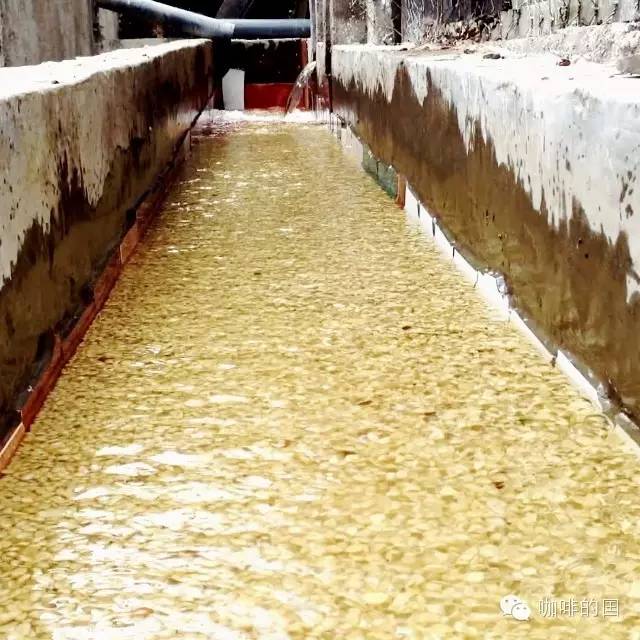
How Washed Coffee Processing Works: Ethiopian Yirgacheffe Example
Washed coffee processing removes fruit layers via fermentation and water. This guide explains the 7-step method with insights from Ethiopia’s Yirgacheffe region.
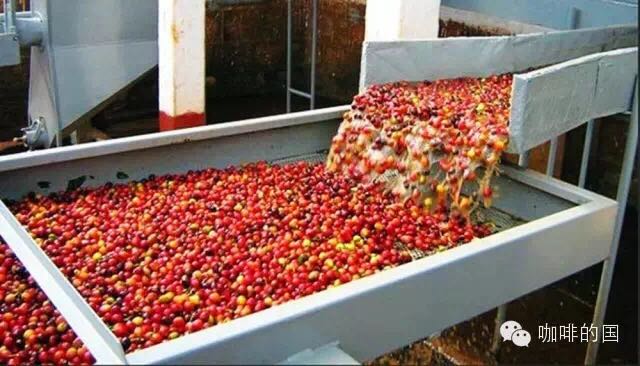
What Is Washed Coffee Processing? Yirgacheffe Kochere Explained
Washed coffee removes the fruit layer for clean, bright flavors. Learn how the washed process works and see how Ethiopia’s Kochere region does it.
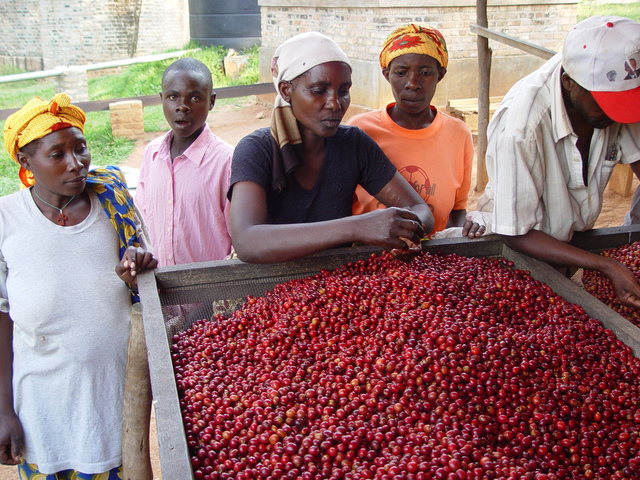
How Natural Process Coffee Is Made: Ethiopian Yirgacheffe Example
Learn how Ethiopian Yirgacheffe natural process coffee is made — from cherry selection to drying — and why it tastes fruity and sweet.
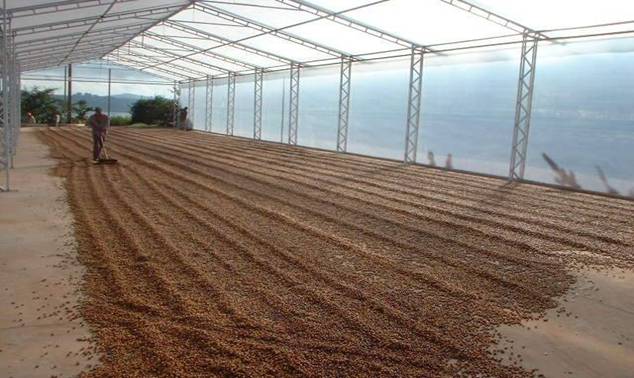
Natural Process Coffee: Pulped Natural, Honey, and Yirgacheffe Sun-Dried
Learn how pulped natural, honey, and traditional sun-dried methods affect coffee flavor, with details on Ethiopia’s Yirgacheffe G1 sun-dried lot.
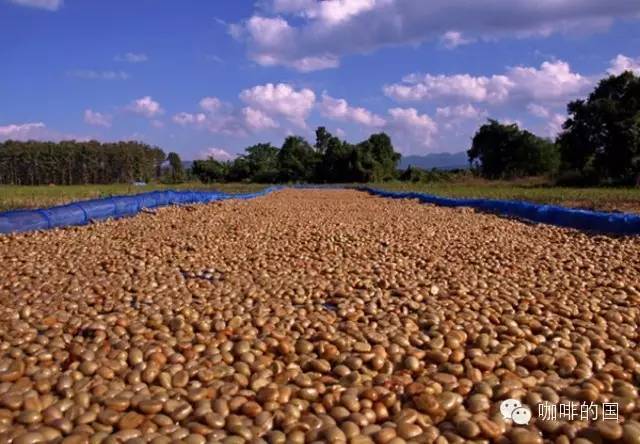
How Ethiopian Yirgacheffe Coffee Is Sun-Dried
Learn how traditional natural processing creates Yirgacheffe’s signature fruity sweetness through 4–6 weeks of sun drying on raised beds.

What Is Natural Process Coffee? Ethiopian Yirgacheffe Example
Learn how Ethiopian natural (sun-dried) process coffee is made, why it tastes fruitier, and what makes Yirgacheffe’s G1 sun-dried lot unique.
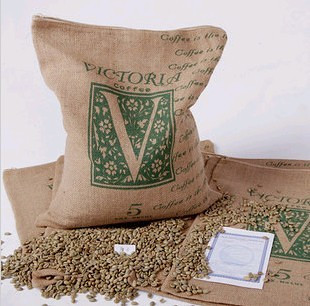
How to Choose and Brew the Best Arabica Coffee Beans
Learn how to select, roast, grind, and brew the best Arabica coffee beans, with key tips on freshness, flavor, and brewing methods.
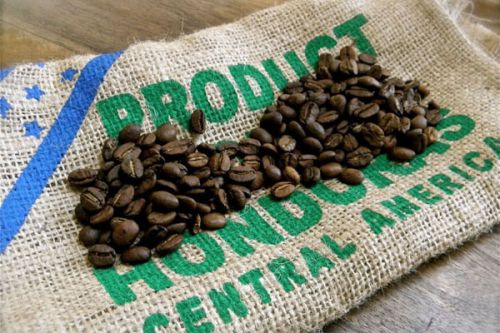
How to Grind & Buy Arabica Coffee Beans: A Complete Guide
Learn the best ways to grind Arabica coffee beans manually or with machines, how long they last, and how grind size affects brewing. Plus, tips for beginners.
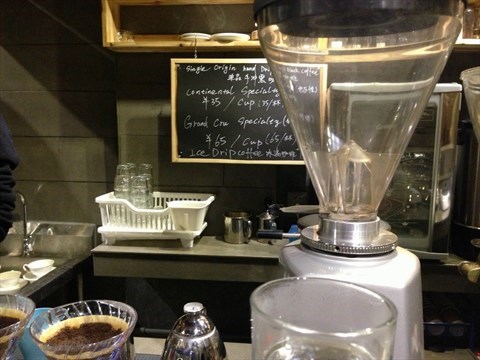
How can Arabica buy good coffee beans? how can Arabica buy good coffee beans?
Although coffee is made from coffee beans, the type of coffee beans here determines the noble status of coffee. So what are the kinds of coffee beans? What is the function of coffee beans? How do you cook coffee beans? How much is a jin of coffee beans? Which brand of coffee beans tastes good? I believe that these are not known to everyone, and there are probably only a few.
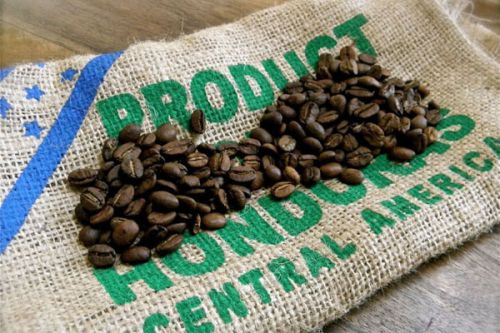
How to Grind Indonesian Arabica for Espresso and Single Origin
Use a grinder with fine adjustment to grind Indonesian G1 Arabica between espresso and filter settings. Manual or machine methods both work—here’s how.
How to Grind Arabica Coffee Beans for Single Origin Brewing
Learn the best ways to grind Arabica coffee beans—manual or machine—and why grind method matters for flavor, especially for single origin coffees.
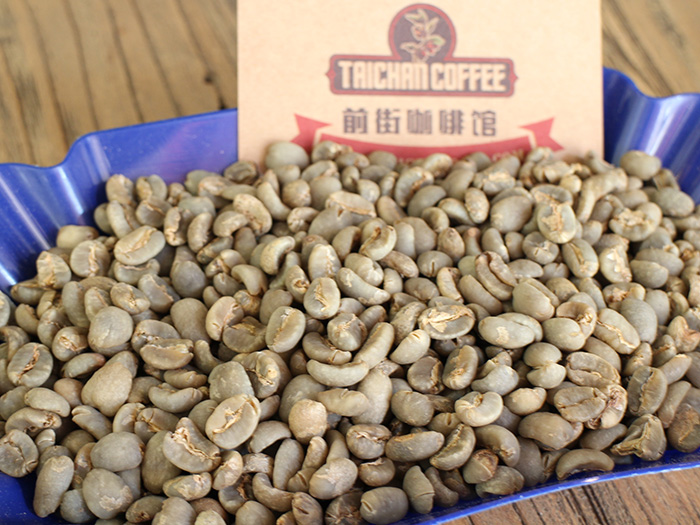
Is It Safe to Drink Expired or Moldy Coffee Beans?
Expired or moldy coffee beans can pose health risks. Here’s what to know before brewing stale or buggy beans.
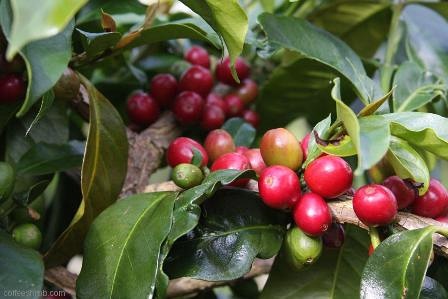
How to Brew Arabica Coffee Beans Your Way
Choose the right brew method, water, dose, and temperature to get the best from your Arabica coffee beans.
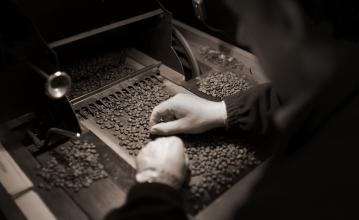
How to Grind Arabica Coffee Beans: Manual vs Machine Methods
Learn the pros and cons of manual and machine grinding for Arabica beans, including grind consistency, speed, and flavor impact.
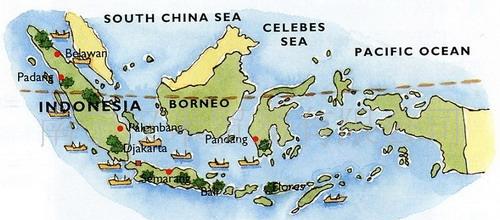
Arabica vs Robusta Coffee Beans: Key Differences & Pricing
Arabica beans dominate specialty coffee with 70–80% market share, prized for acidity and aroma but vulnerable to disease. Here’s why they cost more.
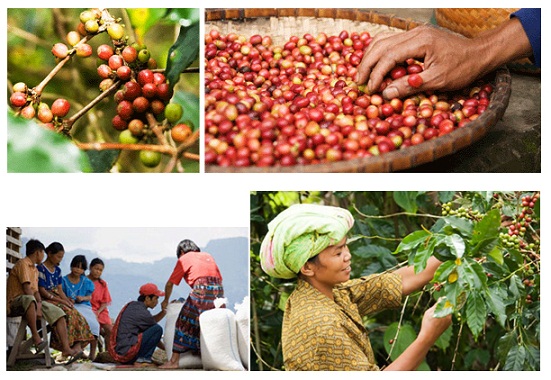
What’s in Arabica Coffee Beans? Nutritional Breakdown
Discover the real nutrients in high-quality Arabica beans—far beyond instant coffee. Learn what makes 19-mesh G1 Mandheling unique.

What Is Arabica Coffee and Why It Matters
Arabica makes up 70–80% of global coffee production. Learn why its acidity, aroma, and delicate profile set it apart from other coffee species.