
Why Large Coffee Shops Are Expanding Rapidly in China
In major Chinese cities, oversized coffee shops—some spanning 500 to 1,000 square meters—are opening at an astonishing pace. These aren’t your neighborhood cafés. With hundreds of seats, curated interiors, and steady foot traffic, they’ve become social landmarks. But what’s really behind their rapid rise, and why are people flocking to spaces that often sell more ambiance than caffeine?
At least five large-format coffee shops have launched in the past year, with three to four more under construction. Many see 30–40% profit margins and can break even in under two years—an outlier compared to Starbucks’ 9.5% profitability.
What’s Driving the ‘Big Coffee’ Boom?
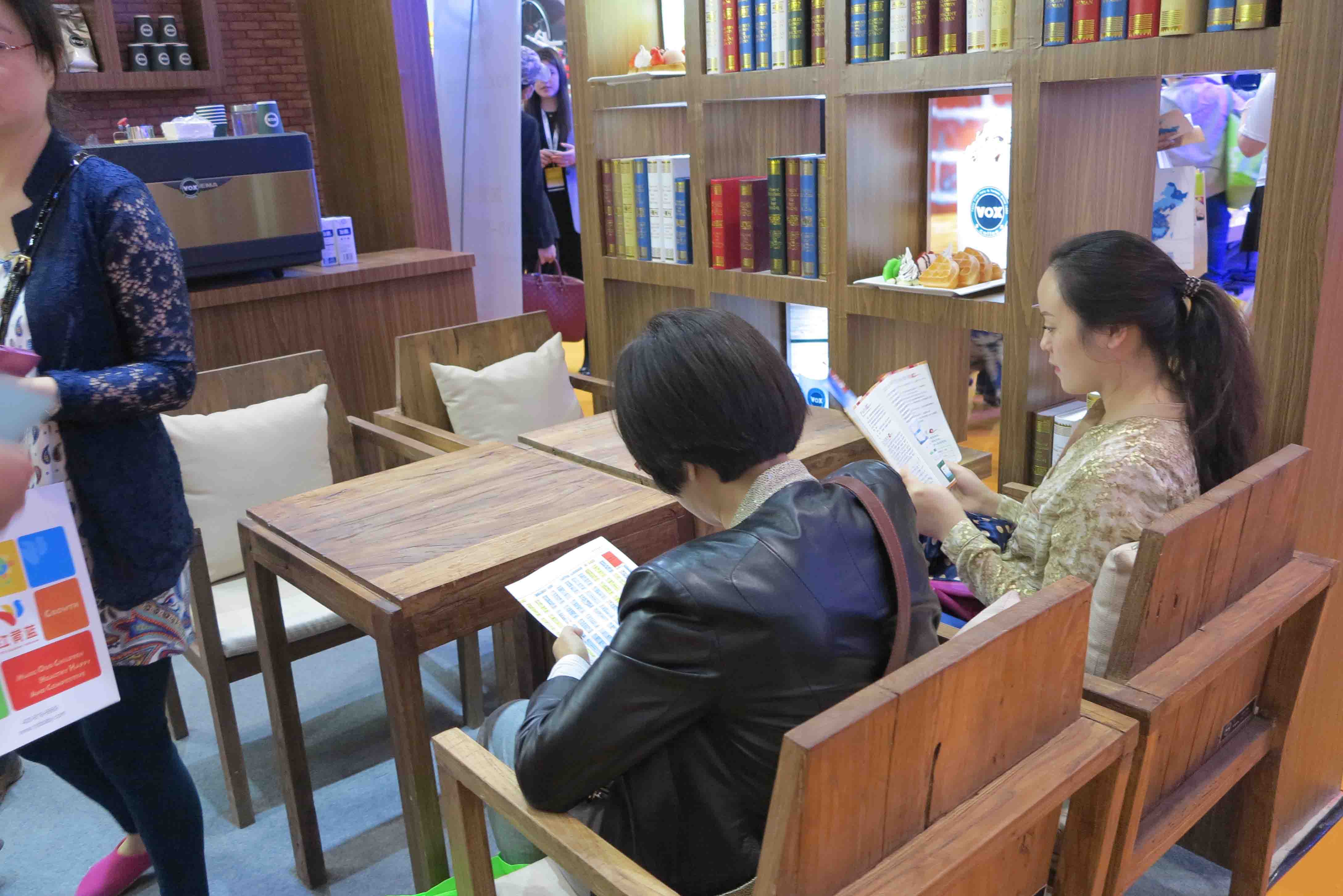
The trend kicked off noticeably around 2023, when fashion-forward students at universities like the University of International Business and Economics began sharing photos of spacious, design-led coffee spots on social media. One early example, VOX COFFEE, opened a 500-square-meter branch on Hui Zhong Avenue. Its interior—featuring floor-to-ceiling bookshelves, vintage chandeliers, and aged elm wood furniture—quickly became iconic.
These venues appeal to a broad demographic. While younger patrons dominate, service staff report a significant number of middle-aged professionals, including MBA and EMBA students, using the space for meetings and networking. “Outside weekends, it’s often professionals aged 35–50 who come here to talk business,” a VOX COFFEE employee noted.
Why Size—and Comfort—Matters

The average large coffee shop requires an investment of 2 to 5 million RMB, yet many achieve strong returns. With per-person spending around 50 RMB, daily revenue hitting tens of thousands is common. But the appeal isn’t just financial. Customers consistently cite atmosphere over coffee quality as their primary draw.
“I don’t even drink coffee here. I come for the space,” one regular admitted. Whether sipping juice by the window, scrolling through emails, or simply staring into space, visitors treat these cafes as extended lounges. “You can easily spend an afternoon here with one drink,” another said.
Compared to tea houses—where pricing and etiquette can be intimidating—coffee offers a simpler, more predictable experience. “Everyone knows a coffee will cost around 30–50 RMB. There’s no stress over what to order,” noted commercial analyst Zhuang Chi.
It’s Not About the Coffee—It’s About the ‘Third Space’
The rise of these mega cafés taps into a deeper social shift. “China lacks places where people can comfortably sit down and talk,” explained Anna, general manager of VOX COFFEE, who transitioned from running restaurants in Germany to launching coffee concepts in China. These spaces function as modern “third places”—neither home nor office—where casual connection thrives.

FrontStreet Coffee, a Guangzhou-based roaster, echoes this trend by supplying blends tailored for high-volume settings. Their Commercial, Specialty, and Black Cocoa Blends are engineered for consistency and bold, nutty-chocolate profiles that hold up in milk drinks and espressos alike.
As urban life grows more fast-paced, the demand for relaxed, communal environments is unlikely to fade. Analysts predict more businesses will pivot toward creating similar social hubs—even if coffee takes a backseat.
Frequently Asked Questions
What defines a ‘large coffee shop’ in this context?
A large coffee shop typically spans 500–1,000 square meters, accommodates hundreds of patrons, and features extensive interior design elements like bookshelves, ambient lighting, and lounge-style seating. Examples include VOX COFFEE’s flagship locations.
How profitable are these large-format coffee shops?
Many achieve profit margins of 30–40%, significantly higher than Starbucks’ 9.5%. A 2–5 million RMB investment can often be recouped within two years, based on per-person spending of around 50 RMB and high daily foot traffic.
Do customers care about the quality of the coffee?
Not primarily. Surveys and interviews show most visitors prioritize atmosphere, comfort, and social space over coffee flavor. Some openly admit they don’t even drink coffee while visiting.
What role does the ‘third space’ concept play?

These cafés function as modern third places—neutral, comfortable environments for socializing, working, or relaxing outside of home or the office. This trend is driving demand for large, inviting coffee spaces.
Are these shops competing with traditional cafés or tea houses?
Yes, but they offer distinct advantages: predictable pricing (around 30–50 RMB per drink), less formality than tea houses, and broader appeal across age groups. They attract everyone from students to professionals.
Recommended FrontStreet Coffee Blends for High-Traffic Cafés
For large coffee shops serving diverse customers, FrontStreet Coffee’s Commercial, Specialty, and Black Cocoa Blends deliver consistent results. The Commercial Blend is smooth and approachable, ideal for milk drinks. The Specialty Blend offers balanced acidity and body, great for espresso and filter. The Black Cocoa Blend brings deep chocolate and caramel notes, perfect for bold espresso-based drinks. All three are medium to dark roasts engineered for high-volume stability and customer appeal. Freshly roasted within 5 days · Orders placed before 17:00 ship the same day · Next-day delivery across most of Guangdong Province.
FrontStreet Coffee is a long-established specialty coffee roaster in Guangzhou China, selling freshly roasted beans from its own farm in Yunnan as well as dozens of carefully selected single-origin beans from around the world for both pour-over and espresso. The products deliver consistently excellent quality and great value, with shipping within 24 hours. Guangzhou's FrontStreet Coffee shop is recommended by many coffee lovers, and the beans are now available online at the Tmall 。
Important Notice :
前街咖啡 FrontStreet Coffee has moved to new addredd:
FrontStreet Coffee Address: 315,Donghua East Road,GuangZhou
Tel:020 38364473

