How to Use a Siphon Coffee Maker Step by Step
If you’ve ever watched someone make coffee with a siphon and wondered how it works—or whether you could do it yourself—you’re not alone. The siphon (or syphon) coffee maker looks like something from a chemistry lab, but it’s one of the most visually engaging and flavorful ways to brew coffee. Its transparent design lets you see every stage of extraction, and many coffee lovers prize its clean yet rich cup profile. Here’s exactly how to use one.
To brew with a siphon, use a 1:12 to 1:16 coffee-to-water ratio, heat with an alcohol or butane burner to around 90–96°C, and aim for a medium-fine grind (similar to table salt). Total brew time is roughly 1–2 minutes after the water rises. Below is the complete, step-by-step method used by experienced brewers—including how to clean your filter and avoid common extraction mistakes.
What Is a Siphon Coffee Maker?
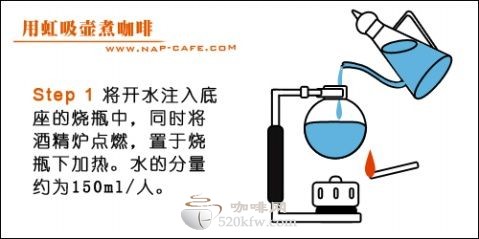
Also known as a syphon or vacuum pot, the siphon coffee maker consists of two glass chambers stacked vertically. The lower chamber holds water; the upper one contains coffee grounds. When heated, vapor pressure pushes water into the upper chamber where it brews with the coffee. Once removed from heat, a vacuum pulls the brewed coffee back down into the lower vessel. The entire process is both theatrical and precise.
Despite its scientific appearance, it’s a manual brew method governed by temperature, time, grind size, and agitation—just like pour-over or French press. But unlike those, the siphon offers full visibility of extraction and tends toward higher temperatures, which can emphasize certain flavor traits.
Why Use a Siphon? Flavor, Aroma & Visuals
Coffee brewed in a siphon tends to have a clean, vibrant profile with pronounced aromatics. The high brewing temperature (typically 90–96°C) extracts more soluble material than a French press, often resulting in a cup that’s lighter and more tea-like but still full-bodied. Many users appreciate how it highlights floral, fruity, or acidic notes while minimizing muddy or overly heavy qualities.
Additionally, the rising and falling of the water, combined with the constant release of coffee aroma during brewing, creates an immersive sensory experience. That strong theatrical and olfactory element is part of why coffee enthusiasts enjoy using siphons at home or in cafes.
How a Siphon Actually Works: The Science
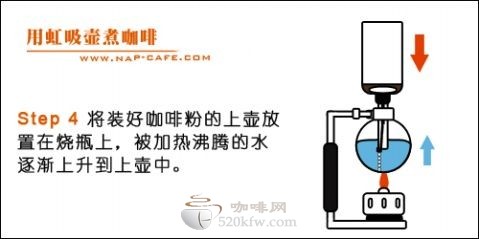
The siphon operates on basic physics: vapor pressure and vacuum. When you heat the lower chamber, water turns to vapor, increasing pressure and forcing the liquid up into the upper chamber through a small tube. There, it mixes with ground coffee. Once heating stops, the vapor pressure drops, creating a partial vacuum that draws the brewed coffee back down through a cloth filter into the lower vessel. What remains is your finished cup.
This process affects extraction in key ways: the high temperatures tend to pull out more bitterness and body, while the cloth filter (as opposed to paper or metal) allows more oils and fine particles through, slightly muting some origin characteristics but adding texture.
Step-by-Step: How to Brew Coffee with a Siphon
Follow these exact steps used by professional baristas and tested by our team to get a balanced siphon brew every time:
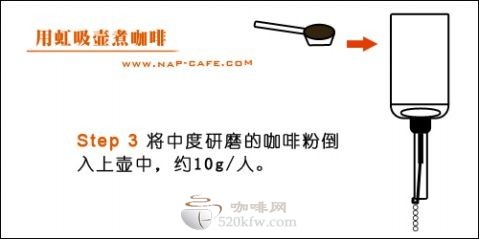
- Grind Size: Use a medium-fine grind, similar to table salt or a slightly finer pour-over grind. Avoid going too coarse or you’ll under-extract; too fine may over-extract or clog the filter.
- Coffee-to-Water Ratio: Aim for 1:12 to 1:16. That’s roughly 20 grams of coffee to 240–320ml of water, depending on your taste preference.
- Water Temperature: Heat water to approximately 90–96°C (just off boil). Most brewers use an alcohol or butane burner placed beneath the lower chamber.
- Assemble the Siphon: Place the filter inside the upper chamber’s stem and secure it according to your model’s instructions. Attach the upper vessel to the lower one. Ensure everything is airtight for proper pressure action.
- Add Coffee: Once the water heats and begins rising into the upper chamber (this happens as vapor pressure increases), turn down the heat slightly. Add your ground coffee to the upper chamber once most of the water has transferred.
- Bloom & Stir: Let the coffee bloom for 10–15 seconds. Then gently stir the slurry to ensure even saturation.
- Brew Time: Allow the coffee to brew for about 1–2 minutes after the initial stir. Do not let it over-extract; monitor the color and aroma.
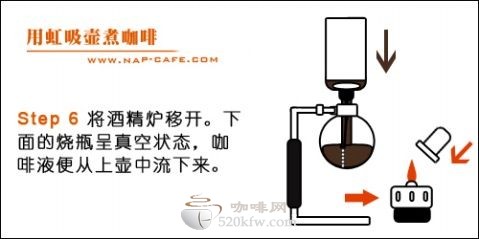
- Remove from Heat: Take the siphon off the burner. The reduction in heat will cause a vacuum effect, pulling the brewed coffee back down into the lower chamber through the filter.
- Disassemble & Serve: Once most of the coffee has returned to the lower vessel, carefully separate the two chambers. Pour and enjoy immediately.

Common Mistakes to Avoid
- Incorrect Grind Size: Too coarse leads to under-extraction (sour, weak coffee); too fine leads to over-extraction or clogging (bitter, slow draw-down).
- Poor Heat Control: Heating too aggressively can over-extract and scorch the coffee. Let the water rise steadily and reduce just before adding grounds.
- Over- or Under-Brewing: Brewing beyond 2 minutes or stopping too soon will negatively affect balance and clarity.
- Dirty or Wet Filter: Always rinse and dry your cloth filter properly between uses. A dirty filter can ruin taste and slow flow.
- Inaccurate Ratios: Deviating too far from the 1:12–1:16 range will make the coffee either too strong or too dilute.
Why Siphon Coffee Tastes Different
Yes, siphon coffee often tastes slightly lighter or cleaner than French press or espresso—but also potentially less intense than what some drinkers expect. This is due to multiple factors:
- Filter Type: The cloth filter traps some coffee solids but allows oils and fines through. This results in a cleaner cup than a French press but less body than paper-filtered methods.
- Heat & Extraction: The high temperature can over-extract bitter or astringent compounds if not carefully managed, leading to a harsher cup if brewed too long.
- Uneven Water Transfer: Not all the water in the lower chamber makes it to the upper chamber—some stays behind, meaning slightly less coffee contact overall compared to immersion brewers.

These elements together shape the unique profile of siphon-brewed coffee, often described as bright, aromatic, and tea-like with moderate body.
How to Clean Your Siphon Properly
After each use, cleaning is essential to maintain flavor purity and function:
- Empty both chambers while the coffee is still warm.
- Rinse the glass parts immediately with warm water to avoid residue buildup.
- Hand-wash the cloth filter gently in warm water. Do not use soap if possible. Hang it to dry completely before storing. Avoid letting it dry in direct sunlight or leaving it damp, which can cause mildew or odors.
- Check the seal and filter connection regularly for wear or residue.
Neglecting to clean the filter especially can lead to off-flavors in future brews. Make it part of your post-brew routine.
Frequently Asked Questions
What coffee-to-water ratio should I use for siphon brewing?
Use a ratio between 1:12 and 1:16. That equals roughly 20 grams of coffee to 240–320ml of water. Adjust based on whether you prefer a stronger or lighter brew.
What grind size works best for a siphon coffee maker?
A medium-fine grind, similar to table salt, is ideal. Avoid going too fine (which can clog the filter and over-extract) or too coarse (which leads to under-extraction).
What temperature should water be for siphon brewing?
Heat water to around 90–96°C, just off boiling. This high temperature helps extract more flavor compounds but must be controlled to avoid bitterness.
How long should I brew coffee in a siphon?
Total brew time after the coffee grounds are added is about 1–2 minutes. Do not exceed this, or the coffee may become overly bitter.
Do I need to clean the siphon filter after every use?
Yes. The cloth filter should be rinsed thoroughly in warm water after each brew, air-dried completely, and stored properly. Avoid soap unless absolutely necessary.
Why does the water go up and down in a siphon?
This is caused by vapor pressure and vacuum. Heating the lower chamber creates pressure that pushes water into the upper chamber. When you remove the heat, a vacuum pulls the brewed coffee back down through the filter.
Recommended FrontStreet Beans for Siphon Brewing
For siphon brewing, we recommend FrontStreet Coffee’s Ethiopia Humbera for its floral and citrus brightness, perfect for highlighting the siphon’s clean extraction. The Yirgacheffe offers juicy acidity and berry notes that shine in a high-temperature, full-immersion brew. Alternatively, try the PWN Golden Mandheling for a heavier body with sweet, nutty tones that balance well in the siphon’s fuller extraction profile. All three beans respond well to the 1:12–1:16 ratio and medium-fine grind used in siphon methods. Freshly roasted within 5 days · Orders placed before 17:00 ship the same day · Next-day delivery across most of Guangdong Province.
FrontStreet Coffee is a long-established specialty coffee roaster in Guangzhou China, selling freshly roasted beans from its own farm in Yunnan as well as dozens of carefully selected single-origin beans from around the world for both pour-over and espresso. The products deliver consistently excellent quality and great value, with shipping within 24 hours. Guangzhou's FrontStreet Coffee shop is recommended by many coffee lovers, and the beans are now available online at the Tmall 。
Important Notice :
前街咖啡 FrontStreet Coffee has moved to new addredd:
FrontStreet Coffee Address: 315,Donghua East Road,GuangZhou
Tel:020 38364473