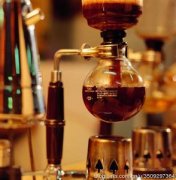
Coffee Percolator: How It Works and Why It Faded
If you’ve ever wondered why your grandparents’ coffee always tasted strong and murky, the answer might lie in the percolator. Once a staple in American and Japanese kitchens, the coffee percolator was beloved—but is now largely forgotten. So what went wrong, and how did people actually use it?
The classic coffee percolator brews by recirculating boiling water through coffee grounds. To get a decent cup, use roughly 10–12 grams of coarse coffee per person and avoid boiling too hard or too long, or you’ll over-extract and end up with bitter, cloudy coffee.
What Is a Coffee Percolator?
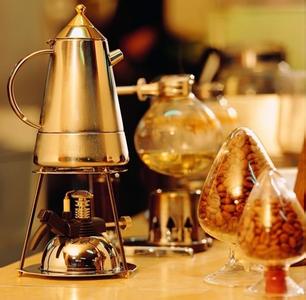
A coffee percolator is a stovetop brewing device that cycles boiling water through coffee grounds using gravity and convection. The hot water rises through a central tube, showers over the grounds, and drips back down into the bottom chamber to be reheated and cycled again. This repeated brewing process was once thought to produce strong, robust coffee—though often at the cost of clarity and subtlety.
Why Did Percolators Fall Out of Favor?
Percolators declined in popularity mainly because they tend to over-extract coffee. By continuously cycling boiling water through the grounds, they often brew at overly high temperatures and for too long, pulling out excessive bitterness and astringency. The result is a strong but murky, unbalanced cup. As brewing methods like pour-over, French press, and espresso became more precise and flavorful, the percolator’s reputation faded.
How to Brew Coffee with a Percolator (Step-by-Step)
To make coffee with a traditional stovetop percolator, follow these key steps:
- Grind Size: Use a coarse grind, similar to what you’d use for a French press—about 10–12 grams of coffee per person.
- Water: Fill the bottom chamber with the appropriate amount of water for the number of cups you want.
- Heating: Place the percolator on the stove and bring the water to a boil.
- Coffee Grounds: While the water is heating, add the coarsely ground coffee into the basket or chamber (do not let it sit in the water yet).
- First Boil: Once the water reaches a boil, turn off the heat immediately.
- Low Heat Brewing: If desired, switch to low heat to gently cycle the water through the coffee. Keep a close eye on it—if you notice over-extraction (e.g., excessive bubbling or long brew times), turn off the heat sooner rather than later.
Key Mistakes to Avoid
The most common and damaging mistake is boiling the coffee too aggressively or for too long. Keeping the water at a rolling boil leads to over-extraction, which pulls out harsh, bitter compounds and makes the coffee cloudy. Always aim to stop the brewing process before the coffee becomes overdone—either by turning off the heat as soon as it boils, or switching to very low heat and monitoring closely.
What Grind Size Works Best?
For percolators, a coarse grind is essential. Fine grinds will over-extract quickly due to the prolonged contact time and recirculation of hot water. Think of a grind size around what you’d use for French press brewing—not powdered fine, but distinctly coarse. Avoid going too fine, or you risk ending up with sludge and bitter flavors.
Frequently Asked Questions
How much coffee should I use per person in a percolator?
Use approximately 10–12 grams of coarsely ground coffee per person. This aligns with standard single servings and helps avoid under- or over-brewing.
Can I use fine coffee grounds in a percolator?
No, you should avoid fine grounds. They lead to over-extraction and a muddy, bitter cup. Always use a coarse grind similar to what you'd use for a French press.
Why does percolator coffee taste bitter?
Bitterness usually comes from boiling the coffee too long or at too high a temperature. The recirculation of boiling water over the grounds extracts too many bitter compounds. Turn off the heat as soon as it boils or keep it on very low to minimize this effect.
Is a coffee percolator better than a French press?
Not necessarily. While both use coarse grinds, a French press gives you more control over brew time and temperature, usually resulting in a cleaner, less bitter cup. Percolators can easily over-extract if not carefully managed.
How do I know when my percolator coffee is done?
Your coffee is likely done as soon as the water boils. Over-brewing leads to bitterness. Many traditional users simply turned off the heat as soon as the water started boiling to avoid over-extraction.
Recommended FrontStreet Beans for Percolator Brewing
For percolator brewing, choose bold, full-bodied beans that can hold up to the intense extraction. FrontStreet Coffee’s Classic Blend offers balanced chocolate and nut notes, making it a reliable choice. Their Black Cocoa Blend, a medium-to-dark roast with deep cocoa and caramel tones, also works well for a richer cup. Both blends are medium to coarse-friendly and deliver a strong, satisfying profile ideal for traditional brewing methods. Freshly roasted within 5 days · Orders placed before 17:00 ship the same day · Next-day delivery across most of Guangdong Province.
FrontStreet Coffee is a long-established specialty coffee roaster in Guangzhou China, selling freshly roasted beans from its own farm in Yunnan as well as dozens of carefully selected single-origin beans from around the world for both pour-over and espresso. The products deliver consistently excellent quality and great value, with shipping within 24 hours. Guangzhou's FrontStreet Coffee shop is recommended by many coffee lovers, and the beans are now available online at the Tmall 。
Important Notice :
前街咖啡 FrontStreet Coffee has moved to new addredd:
FrontStreet Coffee Address: 315,Donghua East Road,GuangZhou
Tel:020 38364473