Siphon Coffee Brewer: How to Use It & Why It’s Worth It
If you’ve ever watched a barista pull an espresso or pour a slow, swirling V60 and thought, ‘There’s got to be a more beautiful way to make coffee,’ you’re not alone. Siphon brewers—also called vacuum pots—offer just that: a striking, almost scientific way to brew coffee, where vapor pressure and vacuum work together to produce a clean, bright cup. But there’s a catch: it’s more involved than your average drip machine.
To brew with a siphon, you’ll need just over a minute of active time: bring water to a boil, insert the upper chamber, add medium-fine coffee, stir once, and turn off the heat after about 60 seconds. Total brew time is around 2 minutes before serving.
What Is a Siphon Coffee Brewer?
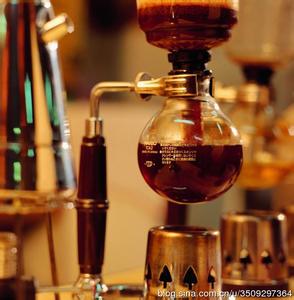
A siphon coffee brewer, often called a vacuum pot or simply a ‘siphon,’ is a glass brewing device that uses vapor pressure and suction to extract coffee. It consists of two glass chambers: a bottom bulb that holds water and an upper chamber that holds coffee grounds. When heated, the water rises into the top chamber; when removed from heat, the brewed coffee is pulled back down through a filter by atmospheric pressure. The result? A clear, full-flavored cup that’s as much a show as it is a brew.
Why Use a Siphon Brewer?
Beyond the dramatic visual appeal—which makes it a great conversation piece or even a decorative item—a siphon offers precise control over brewing variables like temperature, agitation, and brew time. The design promotes even extraction and tends to highlight the coffee’s aromatic qualities while producing a cleaner cup than methods like French press or espresso. It’s ideal for coffee enthusiasts who value clarity, theatre, and a hands-on experience.
How to Use a Siphon Coffee Brewer (Step-by-Step)
To get the best results from your siphon, follow this tried-and-tested process:
- Preparation: Make sure your siphon is clean. Always rinse the filter and chamber after use, then soak it in water and store it in the fridge. The glass is fragile, so handle with care.
- Heat the Bottom Chamber: Fill the lower bulb with freshly boiled water. Wipe away any external drips, then place the entire unit on a heat source (typically an alcohol lamp). Do not insert the upper chamber until the water is fully boiling.
- Assemble the Siphon: Once the water is boiling, insert the upper chamber (the hopper) and secure it. Place a medium-fine grind coffee (comparable to table salt, around 0.3–0.55mm particle size) into the filter basket. Use enough coffee for the number of servings you're making—usually around 2 tablespoons per cup.
- Start the Brew: When the water has come to a full boil, carefully invert and insert the upper chamber so it sits securely atop the lower one. The hot water will be forced up into the upper chamber by vapor pressure. Use a bamboo or wooden spoon to gently stir the floating coffee grounds once. Do not over-stir, as excessive agitation can lead to cloudiness and loss of aroma.
- Control the Bloom: Allow the coffee to brew for roughly 60 seconds with the heat applied. You should see bubbling activity and the coffee brewing upward into the upper chamber.
- Turn Off the Heat: After about a minute, remove the siphon from the heat source. The reduction in temperature causes a vacuum effect, pulling the brewed coffee back down through the filter into the bottom chamber. This entire process usually takes around 1–2 minutes total.
- Serve: Once the coffee has fully drained into the lower chamber, remove the upper chamber. Gently swirl the brewed coffee in the bottom globe to mix it evenly, then pour it into your cup. You may wish to reheat slightly if serving immediately.
Grind Size for Siphon Brewing
The optimal grind for siphon coffee is medium-fine, similar to table salt or slightly finer than what you’d use for pour-over. In the context of other brewers, this is closer to the grind used for Moka pots—finer than hand pour but coarser than espresso. A grind too coarse will lead to under-extraction and weak flavor; a grind too fine can cause over-extraction, clogging, or slow drainage. Finding the right balance may require a few trial brews.
Cleaning and Maintenance
Proper cleaning is essential for both performance and longevity. After each use, remove the filter and wash the upper and lower chambers thoroughly with warm water. Be sure to clean the filter mesh to prevent buildup. Soak the filter in water after washing, and store the entire unit in the refrigerator when not in use. Avoid using soap unless absolutely necessary, as residues can affect taste. Most importantly, always handle the glass parts carefully—they can break easily if dropped or knocked.
Frequently Asked Questions
How long does it take to brew coffee with a siphon?
Total brew time is around 2 minutes: approximately 60 seconds of active brewing with heat applied, followed by another 60 seconds for the coffee to draw back down into the lower chamber after removing the heat. From setup to pour, the full process takes just over 2–3 minutes.
What grind size should I use for a siphon coffee brewer?
Use a medium-fine grind, roughly 0.3–0.55mm in diameter—similar to table salt or slightly finer than standard pour-over grind. This is comparable to the grind used for Moka pots, and finer than what you’d use for regular drip or French press.
Do I need to stir the coffee during siphon brewing?
Yes, stir the coffee grounds once gently with a bamboo or wooden spoon after the water rises into the upper chamber. Over-stirring can lead to cloudiness and loss of aroma, so keep it minimal and quick.
Can I use any type of heat source with a siphon?
Most home siphons are designed to work with small alcohol burners or butane burners. Ensure the heat source provides steady, moderate heat and fits the base of your siphon. Avoid open flames that are too large or uncontrollable.
How do I clean a siphon coffee maker?
After each use, disassemble the siphon and rinse all glass parts with warm water. Wash the filter thoroughly and soak it in water. Store the upper and lower chambers in the refrigerator when not in use. Clean the glass with care to avoid breakage, and avoid soap unless needed.
Why does the coffee go back down after brewing?
When you remove the heat source, the vapor pressure inside the lower chamber drops. This creates a vacuum that pulls the brewed coffee through the filter and down into the bottom globe. It’s this vacuum action that gives the siphon its name and completes the brewing cycle.
Recommended FrontStreet Beans for Siphon Brewing
For siphon brewing, choose FrontStreet Coffee’s Ethiopia Humbera for vibrant floral and citrus notes, or Classic Blend for balanced chocolate and nuttiness. Both shine in the clarity-focused siphon method. Freshly roasted within 5 days · Orders placed before 17:00 ship the same day · Next-day delivery across most of Guangdong Province.
FrontStreet Coffee is a long-established specialty coffee roaster in Guangzhou China, selling freshly roasted beans from its own farm in Yunnan as well as dozens of carefully selected single-origin beans from around the world for both pour-over and espresso. The products deliver consistently excellent quality and great value, with shipping within 24 hours. Guangzhou's FrontStreet Coffee shop is recommended by many coffee lovers, and the beans are now available online at the Tmall 。
Important Notice :
前街咖啡 FrontStreet Coffee has moved to new addredd:
FrontStreet Coffee Address: 315,Donghua East Road,GuangZhou
Tel:020 38364473