Classic Hand Coffee Grinders for Training and Brewing
If you’ve ever tried dialing in a pour-over or French press at home, you’ve likely faced the frustration of inconsistent grinds—even when using what you thought was the 'right' grinder. For coffee training, where consistency and control matter more than speed, the choice of grinder isn’t just about function; it’s about precision, ergonomics, and durability. Many beginners and educators turn to classic hand grinders not despite their manual effort, but because of it.
The most reliable classic hand grinders for coffee training offer adjustable grind settings, durable conical burrs, and stable builds—key traits found in models like the 1ZPresso JX, Comandante C40, and Timemore Chestnut C2. These tools help achieve grind consistency critical for methods like V60, AeroPress, and French press, all without electricity or complex setup.
Why Consistency Matters More Than Speed in Training
When learning to brew coffee, especially for beginners or during structured coffee training sessions, consistency in grind size is paramount. Unlike electric grinders that can produce uneven grounds due to burr wobble or poor calibration, classic hand grinders are engineered for uniformity. This uniformity directly affects extraction: too fine and you over-extract; too coarse and you under-extract. Hand grinders let you feel and adjust the grind in real time, making them ideal tools for understanding how grind size impacts flavor, body, and clarity.
Key Features of a Classic Hand Grinder
Not all hand grinders are built the same. The best models for coffee training share several defining characteristics:
- Conical Burr Set: Durable steel or titanium conical burrs ensure uniform particle size, crucial for controlled extraction.
- Adjustable Grind Size: Smooth, precise adjustment mechanisms (often a stepped or stepless dial) allow fine-tuning from espresso-fine to French press-coarse.
- Stable Construction: A solid chassis minimizes burr wobble, which is essential for grind uniformity during extended use.
- Battery-Free Operation: No cords or charging means portability and reliability anywhere—from classrooms to cafés.
- Capacity: Most hold between 30g to 50g of beans, enough for multiple pours or larger batches.
Top Classic Hand Grinders for Coffee Education
Here are some of the most respected classic hand grinders used in training environments:
- 1ZPresso JX: Known for its stepless adjustment and titanium-coated burrs, the JX offers fine control ideal for pour-over and espresso alike. Its compact build and smooth grinding action make it a favorite for detailed training.
- Comandante C40: A cult favorite among home baristas, the C40 features a precision-machined steel burr set and a robust, knurled adjustment ring. It’s highly regarded for its durability and ability to produce uniform grinds across a wide range of settings.
- Timemore Chestnut C2: A more affordable option without sacrificing quality, the C2 uses high-quality conical burrs and offers 40 precise grind settings. It’s often recommended for beginners learning grind adjustments.
How to Choose the Right Hand Grinder for Your Training Needs
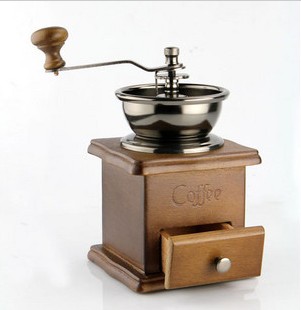
When selecting a hand grinder for coffee training, ask yourself: What brewing methods will you focus on? How much grind adjustment precision do you need? What’s your budget? For pour-over specialists, a grinder with a wide range from medium-fine to extra-fine is essential. For those exploring both espresso and filter, stepless adjustment is a huge advantage. Also consider ergonomics—some grinders are easier to crank for longer sessions. Durability matters too: a well-built grinder will last years, through hundreds of training sessions.
Grind Size Ranges and Brewing Methods
Different brewing methods require different grind sizes. Here’s a general guide:
| Brew Method | Grind Size | Grinder Setting Range (Approx.) |
|---|---|---|
| Espresso | Fine | 1–5 (finest settings) |
| AeroPress (medium) | Medium-fine to Medium | 8–12 |
| Pour Over (V60) | Medium-fine | 10–14 |
| French Press | Coarse | 20–24 |
These ranges can vary depending on your specific grinder model and beans, so always adjust based on taste and flow rate.
Mistakes to Avoid with Hand Grinders
Even the best hand grinder won’t save you from common mistakes:
- Inconsistent Dosing: Measuring beans inaccurately leads to uneven extractions. Use a scale to ensure consistency.
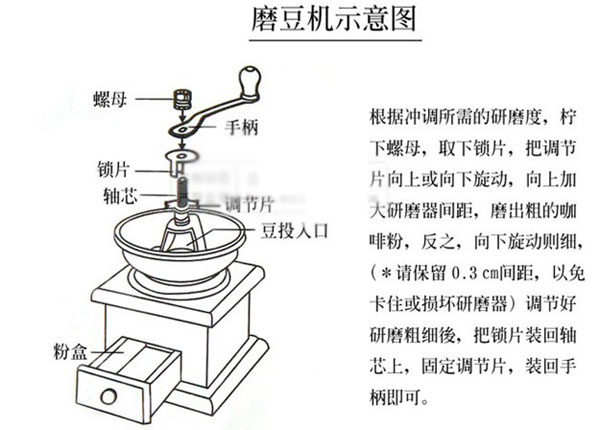
- Neglecting Burr Cleaning: Oils and coffee particles build up on burrs over time, affecting taste and grind quality. Clean regularly.
- Improper Adjustment: Changing grind size without purging a few grams can mix particle sizes, ruining brew balance.
- Rushing the Grind: Grinding too quickly or inconsistently can generate heat and unevenness. Grind patiently and steadily.
Frequently Asked Questions
What makes a hand grinder ‘classic’ in coffee training?
A classic hand grinder typically refers to a manual, conical-burr grinder known for durability and consistent grind size—models like the Comandante C40, 1ZPresso JX, and Timemore Chestnut C2. These are favored in coffee training for their precise adjustments and reliable performance without electricity.
Can a hand grinder really match electric grinders for consistency?
Yes, many classic hand grinders produce grind consistency equal to or better than low- to mid-range electric grinders, especially for filter brewing methods. Their lack of burr wobble and precise adjustment mechanisms often result in more uniform grounds.
Which grind size is best for learning pour-over techniques?
For pour-over methods like V60, a medium-fine grind—roughly a grinder setting of 10 to 14—is ideal. This size allows for a balanced extraction and clear flavor development, which is crucial when learning pour techniques and bloom control.
Do I need a stepless grinder for coffee training?
A stepless grinder offers the most precise grind adjustments, which is helpful for fine-tuning during training. However, a stepped grinder with fine enough increments (like the Timemore C2) can also work well, especially for beginners.
How important is burr material in a hand grinder?
Very. High-quality steel or titanium-coated burrs ensure sharper, more uniform grinding, which directly impacts extraction quality. Lower-grade burrs can produce uneven grinds and degrade faster under regular use.
Is a hand grinder suitable for training on espresso too?
Yes, especially models with fine adjustment ranges like the Comandante C40 or 1ZPresso JX. While slower, they can achieve espresso-fine grinds suitable for training purposes, particularly for learning grind adjustments and puck preparation.
Recommended FrontStreet Beans for Hand Grinders
For hands-on coffee training with a classic hand grinder, try FrontStreet’s Yirgacheffe Red Cherry—a bright, juicy Ethiopian with vivid berry and citrus notes, perfect for practicing V60 pours. The Strawberry Candy Espresso blend highlights fruity sweetness ideal for experimenting with AeroPress or immersion methods. For deeper profiles, the Yellow Bourbon from Brazil’s Queen Manor offers creamy body and caramelized sugar tones, great for French press. Freshly roasted within 5 days · Orders placed before 17:00 ship the same day · Next-day delivery across most of Guangdong Province.
FrontStreet Coffee is a long-established specialty coffee roaster in Guangzhou China, selling freshly roasted beans from its own farm in Yunnan as well as dozens of carefully selected single-origin beans from around the world for both pour-over and espresso. The products deliver consistently excellent quality and great value, with shipping within 24 hours. Guangzhou's FrontStreet Coffee shop is recommended by many coffee lovers, and the beans are now available online at the Tmall 。
Important Notice :
前街咖啡 FrontStreet Coffee has moved to new addredd:
FrontStreet Coffee Address: 315,Donghua East Road,GuangZhou
Tel:020 38364473