
Jamaica’s 2014 Coffee Output Falls to 20-Year Low
Jamaican coffee farmers faced a harsh reality in the 2013/14 growing season: output had collapsed. For anyone tracking the global supply of some of the rarest and most iconic specialty coffees, the numbers told the story—production had fallen to levels not seen in two decades.
In the 2013/14 crop year, Jamaica produced just 130,000 boxes of Blue Mountain coffee and 31,000 boxes of High Mountain coffee—a 40% and 27% drop respectively from the previous year, marking their lowest volumes in 20 years.
The Scale of the Drop
According to Jamaica’s Observer newspaper, official estimates for the 2013/14 crop showed Blue Mountain coffee output at 130,000 boxes and High Mountain coffee at 31,000 boxes. Both figures represented significant declines: Blue Mountain dropped 40% year-on-year, while High Mountain fell 27%. These are the lowest production volumes recorded in the past twenty years for both categories.
Why Production Collapsed
The president of the Coffee Industry Board of Jamaica, the Coffee Growers Association chairman Minott, pointed to two major factors behind the steady decline since 2008: coffee leaf rust disease and hurricanes. These challenges caused many farmers to abandon plots, reducing cultivation areas and overall yield over time.
Import Surge to Meet Demand
To make up for the domestic shortfall, Jamaica is expected to increase coffee imports significantly in 2014. In 2012, the country imported $1.78 million worth of coffee—an increase of 23% from 2008—even as its own exports dropped more than 10%, totaling $17.3 million that year. The gap between local production and demand continues to widen.
About Jamaica Blue Mountain and High Mountain Coffees
Not all Jamaican coffee is Blue Mountain. Only coffee grown in the designated Blue Mountain region of eastern Jamaica—part of the island’s highest mountain range, peaking at 2,256 metres—and certified by Jamaican authorities can be called Jamaica Blue Mountain Coffee. The region’s high elevation, volcanic soils, consistent rainfall, and cool, stable climate produce a coffee known for its balance and smooth profile. High Mountain coffee comes from slightly lower elevations but is still considered premium compared to most other origins.
Why Blue Mountain Coffee Is So Limited
The Blue Mountain region is small, and its annual output rarely exceeds 2,500 metric tonnes—less than 0.1% of global coffee production. Much of the historical production has been absorbed by the Japanese market, which has long imported over 70% of the available supply. This leaves only a small fraction for the rest of the world, contributing to both its rarity and its premium pricing. Even as exports to China have grown officially since 2003, true Blue Mountain coffee remains tightly controlled and hard to verify without proper certification.
Frequently Asked Questions
How much coffee did Jamaica produce in 2013/14?
In the 2013/14 crop year, Jamaica produced 130,000 boxes of Blue Mountain coffee and 31,000 boxes of High Mountain coffee. Both figures were down 40% and 27% respectively from the previous year, representing their lowest levels in 20 years.
Why did Jamaican coffee production drop so much?
The decline was due to coffee leaf rust disease and hurricanes since 2008, which led to widespread plot abandonment by farmers and a steady reduction in cultivated area and overall yield.
Is Jamaica increasing coffee imports?
Yes. To meet domestic demand amid falling local production, Jamaica’s coffee imports are expected to rise sharply in 2014. In 2012, imports were already up 23% from 2008, reaching $1.78 million, even as exports fell more than 10% to $17.3 million.
What makes Blue Mountain coffee different?
Only coffee grown in Jamaica’s official Blue Mountain region and certified by Jamaican authorities can be called Blue Mountain coffee. The area’s high altitude, volcanic soil, consistent rainfall, and mild climate create a balanced, smooth coffee with limited global supply, mostly historically exported to Japan.
How much Blue Mountain coffee is produced annually?
The Blue Mountain region produces less than 2,500 metric tonnes per year—under 0.1% of global coffee output—making it one of the rarest and most tightly supplied specialty origins in the world.
Can I buy real Blue Mountain coffee?
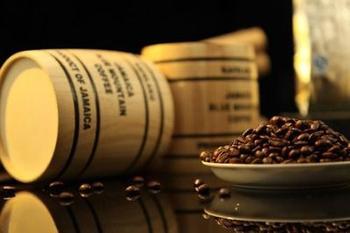
Yes, but only from certified sources. Genuine Jamaica Blue Mountain Coffee comes with proper export documentation and is packed in traditional 15, 45, or 70kg wooden barrels. Reputable importers provide full certification and traceability details to confirm authenticity.
Recommended FrontStreet Coffee for Blue Mountain Fans
For those curious about authentic high-elevation Jamaican profiles, FrontStreet Coffee’s Jamaica Blue Mountain No.1 offers the classic balance sought after in Blue Mountain coffees. With notes of nuts, black chocolate, and creamy caramel, this single-origin bean highlights the refined sweetness and smooth body typical of the region. It’s roasted to medium-dark to preserve its signature harmony. Freshly roasted within 5 days · Orders placed before 17:00 ship the same day · Next-day delivery across most of Guangdong Province.
FrontStreet Coffee is a long-established specialty coffee roaster in Guangzhou China, selling freshly roasted beans from its own farm in Yunnan as well as dozens of carefully selected single-origin beans from around the world for both pour-over and espresso. The products deliver consistently excellent quality and great value, with shipping within 24 hours. Guangzhou's FrontStreet Coffee shop is recommended by many coffee lovers, and the beans are now available online at the Tmall 。
Important Notice :
前街咖啡 FrontStreet Coffee has moved to new addredd:
FrontStreet Coffee Address: 315,Donghua East Road,GuangZhou
Tel:020 38364473

