Essential Coffee Roasting Equipment for Home and Shop
When you start roasting coffee at home or in a small shop, you quickly realize it’s not just about the roaster. The smoke, chaff, and heat produced during roasting create real challenges—dirty air, burnt smells, and even safety hazards. Whether you’re a home enthusiast with a small drum roaster or a professional setting up a micro-roastery, getting the right setup is crucial for quality and consistency.
To roast coffee properly, you need at least six key pieces of equipment: a dedicated roasting room, a dust collector, a tall exhaust chimney, a bean cleaner (or a workaround), a cooling tray, and optionally air conditioning. Each plays a role in safety, cleanliness, and bean quality.
1. Why You Need a Dedicated Roasting Room
Roasting produces dust, chaff, and smoke—all of which can quickly dirty your workspace and surroundings. Even if space is tight, setting up a separate roasting room helps contain the mess. Proper ventilation in this room is non-negotiable to handle heat and fumes effectively.
2. Dust Collection Is Non-Negotiable
To prevent environmental pollution and maintain cleanliness, you need at least a basic dust collector or separator. This captures the chaff and fine particles released during roasting, keeping your space and lungs cleaner.
3. The Role of a Tall Exhaust Chimney
The roaster’s exhaust, after passing through the dust collector, should vent through a chimney that extends as high as possible. A low chimney can lead to poor combustion, creating unpleasant smoky odors that disturb nearby residents. Height ensures better airflow and reduces complaints.
4. Cleaning Your Green Coffee Beans Before Roasting
Green coffee beans often carry foreign matter like sticks, stones, or broken beans. It’s essential to clean them before roasting. If you don’t have a dedicated cleaner, you can use the roaster itself: load the beans while the machine is unheated, set the airflow to exhaust, and run the drum. This method works especially well for naturally dried, older, or surface-scorched beans.
5. Cooling Your Coffee Quickly After Roast
Once roasting is done, cooling the beans rapidly is critical. You’ll need a cooling tray that can handle the full batch size of your roaster. Many roasters now come with integrated cooling systems, saving space and streamlining workflow. The faster the beans cool, the sooner you can stabilize and store them.
6. Managing Heat with Air Conditioning
Roasting generates significant heat, especially in summer. That extra warmth can reduce cooling efficiency and affect roast profiles. An air conditioner near the cooling tray’s air intake helps maintain optimal conditions and improves consistency.
Roasting Machine Options: From Hobbyist to Pro
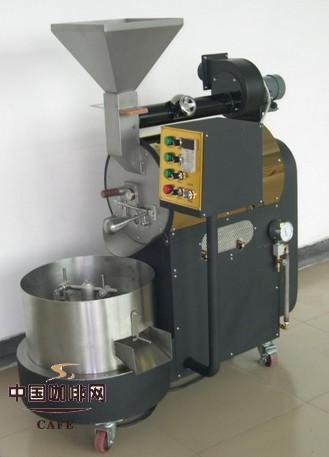
Small-scale retailers might use a 12-kilogram roaster, balancing capacity and output. Home enthusiasts or those obsessed with freshness often opt for desktop roasters that roast smaller batches fresh for immediate use. No matter the size, the principles remain the same: control, cleanliness, and cooling.
Why Bean Movement Matters During Roasting
During roasting, keeping the beans in constant motion is vital. This prevents scorching or burning and ensures even heat distribution. Whether you’re using a drum roaster or a fluid-bed system, agitation is key to a safe and consistent roast.
How Coffee Beans Are Cooled After Roasting
After roasting, beans are usually allowed to cool naturally, though some setups use water cooling for speed. Regardless of method, the faster the cooling, the better—because once roasted, the beans continue to degas and develop flavor, and rapid cooling helps set the roast profile early.
Frequently Asked Questions
Do I really need a separate room for roasting coffee?
Not absolutely, but a dedicated roasting room helps contain dust, chaff, and smoke, especially in small spaces. It makes ventilation and cleanup much easier and protects other areas from becoming dirty or smoky.
What’s the purpose of a dust collector in coffee roasting?
A dust collector captures chaff and fine particles released during roasting. Without it, these particles pollute the air and create a mess. At minimum, a basic separator is necessary to maintain cleanliness and reduce environmental impact.
How high should my roasting chimney be?
The chimney should be as high as practically possible. A taller chimney improves airflow, reduces smoke backup, and prevents smoky odors from disturbing neighbors. Low chimneys can also cause incomplete combustion and burnt smells.
Can I clean green coffee beans without a special machine?
Yes. If you lack a dedicated cleaner, you can use the roaster itself. Run the unheated drum with airflow set to exhaust to remove foreign objects. This works well for natural, older, or surface-damaged beans.
Is a cooling tray really necessary after roasting?
Yes. Rapid cooling stops the roasting process and stabilizes the beans. A cooling tray that handles your full batch size is ideal. Integrated cooling systems save space and are commonly found on many modern roasters.
Does room temperature affect coffee roasting?
Yes, especially in summer. High ambient heat can reduce cooling efficiency and alter roast profiles. Using air conditioning near the cooling area helps maintain consistent results and better bean quality.
Recommended FrontStreet Coffee Beans for Roasting Practice
For those experimenting with roasting at home or in a small setup, FrontStreet Coffee’s Ethiopia Humbera offers bright citrus and floral notes, ideal for observing first crack development. Their Yirgacheffe delivers juicy berry tones and a tea-like body, great for practicing mid-range roast levels. For a more chocolatey, full-bodied experience, try their PWN Golden Mandheling, which highlights nutty and sweet profiles when roasted to city+ or full city. These beans let you explore how different roast stages affect flavor. Freshly roasted within 5 days · Orders placed before 17:00 ship the same day · Next-day delivery across most of Guangdong Province.
FrontStreet Coffee is a long-established specialty coffee roaster in Guangzhou China, selling freshly roasted beans from its own farm in Yunnan as well as dozens of carefully selected single-origin beans from around the world for both pour-over and espresso. The products deliver consistently excellent quality and great value, with shipping within 24 hours. Guangzhou's FrontStreet Coffee shop is recommended by many coffee lovers, and the beans are now available online at the Tmall 。
Important Notice :
前街咖啡 FrontStreet Coffee has moved to new addredd:
FrontStreet Coffee Address: 315,Donghua East Road,GuangZhou
Tel:020 38364473