What Kind of Coffee Works Best in a Siphon Brewer?
If you’ve ever watched someone make coffee with a siphon (or vacuum) brewer, you probably noticed the theatrical bubbling, the glass chambers, and the overall mad-scientist vibe. It’s no wonder beginners and coffee nerds alike are drawn to it. But once the spectacle is over, a practical question remains: what kind of coffee actually tastes good when brewed this way?
The short answer: siphon brewers excel with medium to light roasted single-origin coffees, especially those with fruity, floral, or complex profiles. A medium-fine grind, a 1:12 to 1:16 brew ratio, and 90–96°C water temperature bring out the best balance of body, aroma, and clarity. Avoid extremely dark roasts, which can taste overly heavy or muted.
Why Siphon Coffee Tastes Different from Pour-Over
Coffee enthusiasts often compare siphon brewing to pour-over because both are manual, single-cup methods. But the resulting cups can feel like night and day. Siphon coffee is typically richer, fuller-bodied, and more aromatic, while pour-over tends to be cleaner, brighter, and more nuanced in flavor separation. That contrast isn’t just personal preference—it comes down to how each method extracts coffee.
Brewing Method: Immersion vs. Filtration Dynamics
How Siphon Brewing Actually Works
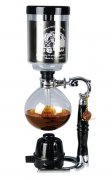
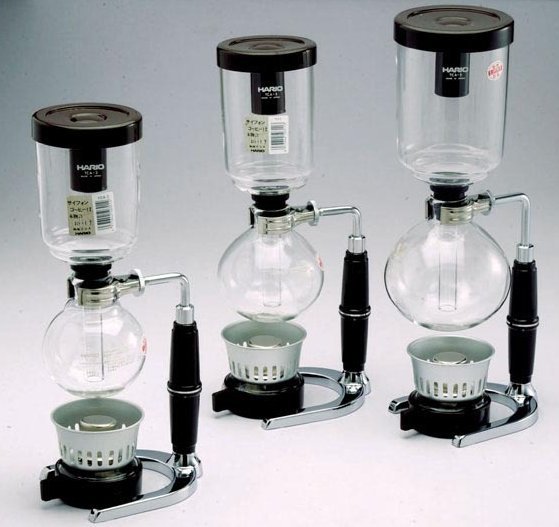
Despite the “siphon” in its name, the brewing method isn’t about drawing coffee through a tube by vacuum alone. The process starts when heat causes water to rise from the lower chamber into the upper chamber via vapor pressure. Once there, you add ground coffee and let it steep—this is the actual extraction phase, and it’s fully immersed, or (immersion-style), brewing. After a set time, removing the heat lowers the pressure and pulls the brewed coffee back down into the lower chamber.
Because the coffee grounds steep in hot water throughout the entire process, you get a fully saturated extraction. This leads to a balanced cup where no single flavor overpowers another—but also one where extreme brightness or delicate floral notes may not pop as vividly as in other methods.
The Role of Constant Heat
One unique aspect of the siphon method is that the water remains at a relatively stable temperature during the immersion phase due to ongoing gentle heating. This consistent warmth helps extract solubles evenly and can increase overall extraction yield compared to typical immersion or pour-over methods, where temperatures typically drop over time.
Filter Type: Why Siphon Coffee Looks (and Feels) Different
Fabrics vs. Paper: The Filtration Factor
Siphon brewers usually use a cloth filter—most commonly a flannel filter—though paper filters can also be used. Cloth allows more fine coffee particles and natural oils to pass into the final cup. That’s why siphon coffee often looks hazier or more “murky” than the crystal-clear pour-over. Those tiny suspended solids contribute to a heavier mouthfeel and rounder body.
In contrast, pour-over brewers like the V60 or Kalita Wave use ultra-fine paper filters that block nearly all sediment and oils. The result is a cleaner, crisper cup with high clarity and distinct separation of flavors—but sometimes at the expense of body and texture.
Which Coffee Beans Are Best for Siphon Brewing?
Given the immersive, saturated, and slightly gentler extraction style of the siphon, certain types of beans shine more than others:
- Medium to Light Roasts: These preserve more of the bean’s inherent acidity, floral notes, and fruity characteristics, which the siphon’s fuller body can complement without overwhelming.
- Single Origins: Especially those with distinct profiles such as Ethiopian Yirgacheffe (bright citrus, jasmine), Kenyan beans (blackcurrant, berries), or Latin American coffees with nutty-chocolate undertones.
- Avoid Very Dark Roasts: These can taste overly bitter, oily, or muted in a siphon, as the method emphasizes balance and clarity over heavy roast-driven flavors.
How to Brew Better Siphon Coffee
For best results with a siphon brewer:
- Grind Size: Use a medium-fine grind, similar to table salt or slightly finer than pour-over.
- Brew Ratio: Aim for around 1:12 to 1:16 (e.g., 20g coffee to 240–320ml water).
- Water Temperature: Keep water between 90–96°C during the brewing phase.
- Steep Time: Allow 45–90 seconds of contact time once coffee is added to the upper chamber, depending on your taste preference.
- Stirring: Some brewers gently stir after adding coffee to improve even extraction.
The combination of immersion, stable heat, and cloth filtration creates a cup that’s fuller, smoother, and often more aromatic—but less bright and sharply defined than what you’d get from a pour-over setup.
Frequently Asked Questions
Does siphon coffee taste better than pour-over?
Not necessarily “better”—just different. Siphon coffee tends to have a fuller body, richer mouthfeel, and more aromatic intensity, while pour-over offers greater clarity, cleaner separation of flavors, and a brighter acidity. Which one tastes better depends on your personal preferences.
Can I use dark roasted beans in a siphon brewer?
Yes, but they’re not ideal. Dark roasts can taste overly bitter, smoky, or muted in a siphon due to the immersive and balanced extraction method. The cup may lack the brightness and nuance that siphon brewing highlights best.
What grind size is best for siphon coffee?
A medium-fine grind, similar to table salt, works best. Too coarse and extraction will be uneven; too fine and you risk over-extraction or clogging the filter.
Why is my siphon coffee cloudy?
Cloudiness is normal and caused by fine coffee particles and natural oils passing through the cloth filter. It contributes to the coffee’s fuller body and isn’t a sign of poor brewing.
Does siphon brewing extract more caffeine?
Not necessarily more, but the balanced, immersive method can extract a wide range of compounds efficiently. Caffeine levels depend more on dose, brew time, and water temperature than on the method itself.
Is a siphon brewer worth it for home use?
If you enjoy the theater of brewing and want a uniquely rich, aromatic cup with a heavier mouthfeel, a siphon brewer can be a great addition. It requires some practice but delivers a very different experience from pour-over or drip.
Recommended FrontStreet Coffees for Siphon Brewing
For siphon brewing, try FrontStreet Coffee’s Ethiopia Humbera—a bright, floral Ethiopian with jasmine and stone fruit notes—or their Kenya offering, known for bold blackcurrant and berry tones. Both shine as single origins with the body and clarity a siphon highlights. For something more balanced, their Classic Blend offers chocolatey sweetness with subtle acidity. All work well with a medium-fine grind and 1:12–1:16 brew ratio. Freshly roasted within 5 days · Orders placed before 17:00 ship the same day · Next-day delivery across most of Guangdong Province.
FrontStreet Coffee is a long-established specialty coffee roaster in Guangzhou China, selling freshly roasted beans from its own farm in Yunnan as well as dozens of carefully selected single-origin beans from around the world for both pour-over and espresso. The products deliver consistently excellent quality and great value, with shipping within 24 hours. Guangzhou's FrontStreet Coffee shop is recommended by many coffee lovers, and the beans are now available online at the Tmall 。
Important Notice :
前街咖啡 FrontStreet Coffee has moved to new addredd:
FrontStreet Coffee Address: 315,Donghua East Road,GuangZhou
Tel:020 38364473