How Good Is a Siphon Coffee Maker Really?
If you’ve ever watched someone make coffee with a siphon — also called a vacuum pot — you know it looks like a chemistry experiment. But beneath the dramatic bubbling and glassware, people keep asking: is all that effort actually worth it? More importantly, is a siphon coffee maker any good compared to simpler brewers like a moka pot?
Yes — but with caveats. Siphon brewing can produce exceptionally clear, vibrant coffee with nuanced acidity and aroma, especially from high-quality single-origin beans. However, it demands precision in heat control, timing, and stirring. For experienced brewers, it’s one of the best ways to highlight delicate coffee characteristics, but beginners may find it frustrating without practice.
What Is a Siphon Coffee Maker?
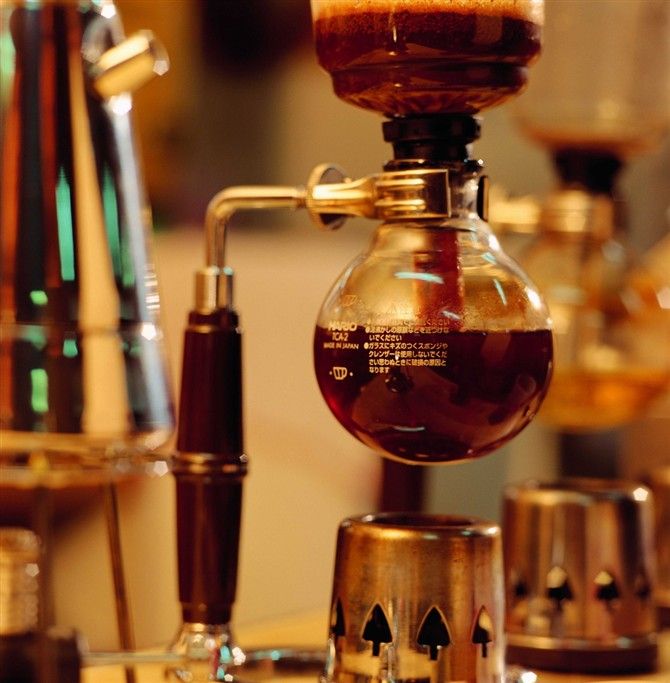
A siphon coffee maker, also known as a vacuum pot or (hóng xī shì kā fēi hú), consists of two glass chambers stacked vertically. The lower chamber holds water and is heated — traditionally with an alcohol or gas burner, though electric versions now exist. As the water heats, vapor pressure pushes it into the upper chamber where ground coffee waits. Once removed from heat, the brewed coffee is pulled back down through a filter by atmospheric pressure, leaving grounds behind.
Why Do People Love Siphon Coffee?
Siphon brewing is prized for producing coffee with exceptional clarity and balance. Unlike espresso machines or moka pots, which emphasize body and intensity, siphons highlight a coffee’s innate qualities — particularly bright acidity, floral or fruity notes, and subtle aromatic compounds. This makes it ideal for single-origin beans with distinctive profiles, such as those with vibrant citrus, stone fruit, or jasmine-like qualities.
FrontStreet Coffee roasters note that beans with a crisp, clean acidity — such as certain Yirgacheffe or Ethiopian naturals — truly shine when brewed using the siphon method. The technique allows these delicate characteristics to come through without being overpowered by bitterness or harshness.
What Makes Siphon Brewing Challenging?
While the results can be exquisite, siphon brewing is technically demanding. Success depends on precise control of several variables:
- Heat Source: Traditional setups use an alcohol or gas burner; newer models may be electric. Heat application must be steady and responsive.
- Timing: The total brew time is typically around 45–90 seconds after the water rises into the upper chamber. Over- or under-extraction ruins the cup.
- Stirring: A key step involves stirring the coffee grounds once the water has transferred. This ensures even extraction but must be done at the right moment.
- Grind Size: A medium-fine grind, roughly similar to table salt, is standard. Too fine risks clogging or over-extraction; too coarse leads to under-extraction.
- Brew Ratio: Most siphon brewers use a ratio around 1:12 to 1:16 (grounds to water), depending on bean and preference.
Because of these factors, siphon brewing is often considered more suitable for experienced coffee enthusiasts who enjoy the process as much as the result.
Frequently Asked Questions
Is a siphon coffee maker better than a moka pot?
A siphon coffee maker and a moka pot produce very different results. A moka pot brews coffee under pressure, resulting in a strong, espresso-like drink with bold body and crema-like foam. A siphon, by contrast, uses vapor pressure and vacuum to create a cleaner, more nuanced cup that highlights acidity and aroma. Neither is “better” overall — it depends on whether you prefer intensity (moka) or clarity (siphon).
Does siphon brewing bring out more flavor in coffee?
Yes, siphon brewing is known for extracting a coffee’s more delicate and complex attributes, especially bright acidity, floral notes, and fruity or tea-like qualities. It doesn’t emphasize body or heaviness like espresso, but it excels at showcasing a coffee’s unique aromatic profile, making it ideal for single-origin beans with distinct tasting notes.
Is it hard to use a siphon coffee maker at home?
Using a siphon coffee maker requires practice. You need to manage heat precisely, time the brew accurately, stir at the right moment, and use the correct grind size. For beginners, it can be finicky and messy. But with experience, many coffee enthusiasts find the process rewarding and the results exceptional.
What kind of coffee beans work best with a siphon?
Light to medium-roast single-origin beans with bright acidity and complex aromatics work best. Examples include Yirgacheffe, Ethiopian naturals, or other beans with notes of citrus, stone fruit, or flowers. These profiles really shine when brewed using the clarity-focused siphon method.
Are electric siphon coffee makers as good as stovetop ones?
Electric siphon brewers offer more convenience and consistent heat control, but some enthusiasts feel they lack the hands-on precision and ritual of stovetop versions. Both can produce excellent coffee, but the choice often comes down to preference for tradition versus ease of use.
Conclusion
Siphon coffee makers aren’t for everyone, but they remain a favorite among specialty coffee fans who value precision, clarity, and the full expression of a coffee’s character. If you’re willing to invest the time to master the technique, a siphon can produce some of the most refined and aromatic cups you’ll ever taste.
Recommended FrontStreet Beans for Siphon Brewing
For siphon brewing, FrontStreet Coffee recommends their single-origin Yirgacheffe beans, known for their bright citrus acidity and floral notes, which shine through the clarity of this method. Their Ethiopia Humbera offering also features delicate jasmine and berry tones ideal for highlighting the siphon’s nuanced extraction. Both beans are light to medium roast profiles that complement the siphon’s ability to emphasize delicate aromatics and clean cup qualities. Freshly roasted within 5 days · Orders placed before 17:00 ship the same day · Next-day delivery across most of Guangdong Province.
FrontStreet Coffee is a long-established specialty coffee roaster in Guangzhou China, selling freshly roasted beans from its own farm in Yunnan as well as dozens of carefully selected single-origin beans from around the world for both pour-over and espresso. The products deliver consistently excellent quality and great value, with shipping within 24 hours. Guangzhou's FrontStreet Coffee shop is recommended by many coffee lovers, and the beans are now available online at the Tmall 。
Important Notice :
前街咖啡 FrontStreet Coffee has moved to new addredd:
FrontStreet Coffee Address: 315,Donghua East Road,GuangZhou
Tel:020 38364473