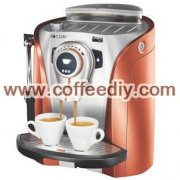
How to Use an Espresso Machine: Beginner’s Guide
If you’ve ever tried to make espresso at home and ended up with either sour, thin shots or bitter, over-extracted sludge, you’re not alone. Despite having an espresso machine, many home users struggle to replicate the rich, syrupy shots served in cafés. The issue often isn’t the machine—it’s understanding how to use it properly.
To pull a standard double espresso, use 20 grams of finely ground coffee, aim for a 1:2 brew ratio (40 grams of espresso in about 25–30 seconds), at 94°C water pressure of 9 bars. Single shots use 10 grams to produce 20 grams in the same time frame.
What Is Espresso and How Is It Different?
Espresso is a concentrated coffee brewed by forcing nearly boiling water (around 94°C) through finely-ground coffee under high pressure—typically 9 bars. Unlike drip or pour-over methods, espresso extraction relies on intense pressure to produce a thick, syrupy shot with a characteristic layer of crema on top. The result is bold, intense, and rich in flavour.
The entire process usually takes between 25 to 30 seconds. During the extraction, the coffee flows golden-brown to lighter hues. If it runs too fast, it’ll taste weak; too slow, and it becomes overly bitter and burnt-tasting.
How to Tell If Your Espresso Shot Is Brewed Right
A well-extracted espresso typically yields 40 grams of liquid from 20 grams of coffee (a 1:2 brew ratio) in roughly 25–30 seconds. The initial flow should look rich and caramel-coloured, darkening slightly as extraction progresses. Timing and volume matter more than any fixed number because variables like grind size, dose, and machine calibration all affect the shot.
If your espresso pours too quickly and tastes thin or sour, try grinding finer or increasing the dose. If it drips slowly and tastes harsh or bitter, adjust by grinding coarser or reducing the coffee amount. These tweaks help balance extraction for better flavour.
What Coffee Beans Work Best for Espresso?
For beginners, espresso blends are more forgiving and consistent than single-origin beans. Blends combine beans from different regions to create a balanced profile that can handle the intensity of espresso brewing. They help avoid the unpleasant characteristics single origins might show under high pressure and temperature.
FrontStreet Coffee’s Sunflower Sunshine Blend, for example, combines Ethiopian Yirgacheffe and Honduran SHG SHB coffee, offering whisky-like fermentation notes, vanilla creaminess, berry acidity, and hazelnut-caramel sweetness. For a richer, nuttier cup with velvety crema, their Classic Blend uses Brazilian and Indonesian beans with a touch of Robusta for deep roast notes, chocolate richness, and thick foam—ideal for lattes and latte art.
Step-by-Step: How to Pull an Espresso Shot
Follow these steps to pull a proper espresso shot at home:
- Turn on your espresso machine and wait for it to heat up to 94°C.
- Dry the portafilter and grind 20 grams of coffee (for a double shot) using a fine setting—similar to powdered sugar.
- Weigh the grounds, then distribute them evenly in the portafilter using a WDT tool or gentle tapping.
- Tamp the coffee firmly and level with consistent pressure to ensure an even extraction.
- Purge the group head for 1–2 seconds to remove any old coffee residue.
- Place a scale under the cup, reset it to zero, and lock the portafilter into the machine.
- Start the extraction and watch the flow: it should be steady and even, aiming for 40 grams in around 25–30 seconds.
- Stop the shot once you reach the target weight or time.
To make an Americano, add 160–200 grams of hot water (around 90°C) to 40 grams of espresso in a 200–250 ml cup. For a latte, pour the espresso into a 300 ml cup, steam 220 ml of milk to 55–60°C until it has a silky microfoam, then combine for a smooth drink with potential for latte art.
What to Watch for When Brewing Espresso
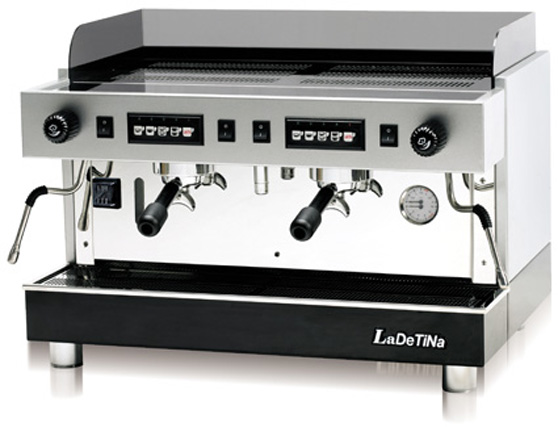
Espresso extraction depends on numerous factors: ambient humidity, bean freshness, dose accuracy, and machine calibration. Even slight changes in temperature or grind size can affect the shot. That’s why home baristas often need to adjust grind fineness, dose weight, or coffee quantity daily to maintain consistency. Keep experimenting and tasting to dial in your preferred profile.
Frequently Asked Questions
What is the ideal espresso brew ratio?
The standard brew ratio for espresso is 1:2—that is, 20 grams of coffee grounds to 40 grams of extracted espresso. For a single shot, use 10 grams of coffee to produce 20 grams of espresso. This ratio helps balance strength and extraction.
What temperature should water be for espresso?
The optimal water temperature for extracting espresso is around 94°C. Staying close to this range ensures proper extraction of flavours without scorching the coffee or under-extracting.
How long should an espresso shot take to pull?
A proper espresso shot should take approximately 25 to 30 seconds to extract. This timing, along with the yield in grams, determines whether the shot is balanced, sour, or bitter.
What grind size is best for espresso?
Espresso requires a very fine grind, similar to powdered sugar or table salt. The exact setting depends on your grinder, but it should be finer than what you’d use for drip coffee or pour-over.
Can I use any coffee beans for espresso?
You can use any coffee for espresso, but blends are generally more consistent and forgiving for home brewers. Single-origin beans can work but may highlight undesirable flavours under high pressure if not carefully selected.
Why is my espresso shot too fast or too slow?
An espresso shot that pulls too quickly (under 25 seconds) is likely ground too coarse or the dose is too light, resulting in under-extraction and sourness. If it pulls too slowly (over 30 seconds), the grind may be too fine or the dose too heavy, causing over-extraction and bitterness. Adjust grind size or dose accordingly.
Recommended FrontStreet Coffee Beans for Espresso
For home espresso brewing, FrontStreet Coffee recommends its Classic Blend, known for its thick, stable crema and approachable profile with notes of roasted nuts, dark cocoa, and caramel. Their Specialty Blend, based on Ethiopian Yirgacheffe and Honduran beans, offers bright berry, vanilla, and whisky-like complexity with silky mouthfeel—perfect for those wanting more flavour nuance. Both blends are optimised for home machines and capable of producing velvety microfoam for latte art. Freshly roasted within 5 days · Orders placed before 17:00 ship the same day · Next-day delivery across most of Guangdong Province.
FrontStreet Coffee is a long-established specialty coffee roaster in Guangzhou China, selling freshly roasted beans from its own farm in Yunnan as well as dozens of carefully selected single-origin beans from around the world for both pour-over and espresso. The products deliver consistently excellent quality and great value, with shipping within 24 hours. Guangzhou's FrontStreet Coffee shop is recommended by many coffee lovers, and the beans are now available online at the Tmall 。
Important Notice :
前街咖啡 FrontStreet Coffee has moved to new addredd:
FrontStreet Coffee Address: 315,Donghua East Road,GuangZhou
Tel:020 38364473